










Free-Grace Press publishes novels in Shenandoah
By Hyun Soo Lee Staff Writer Sep 10, 2022
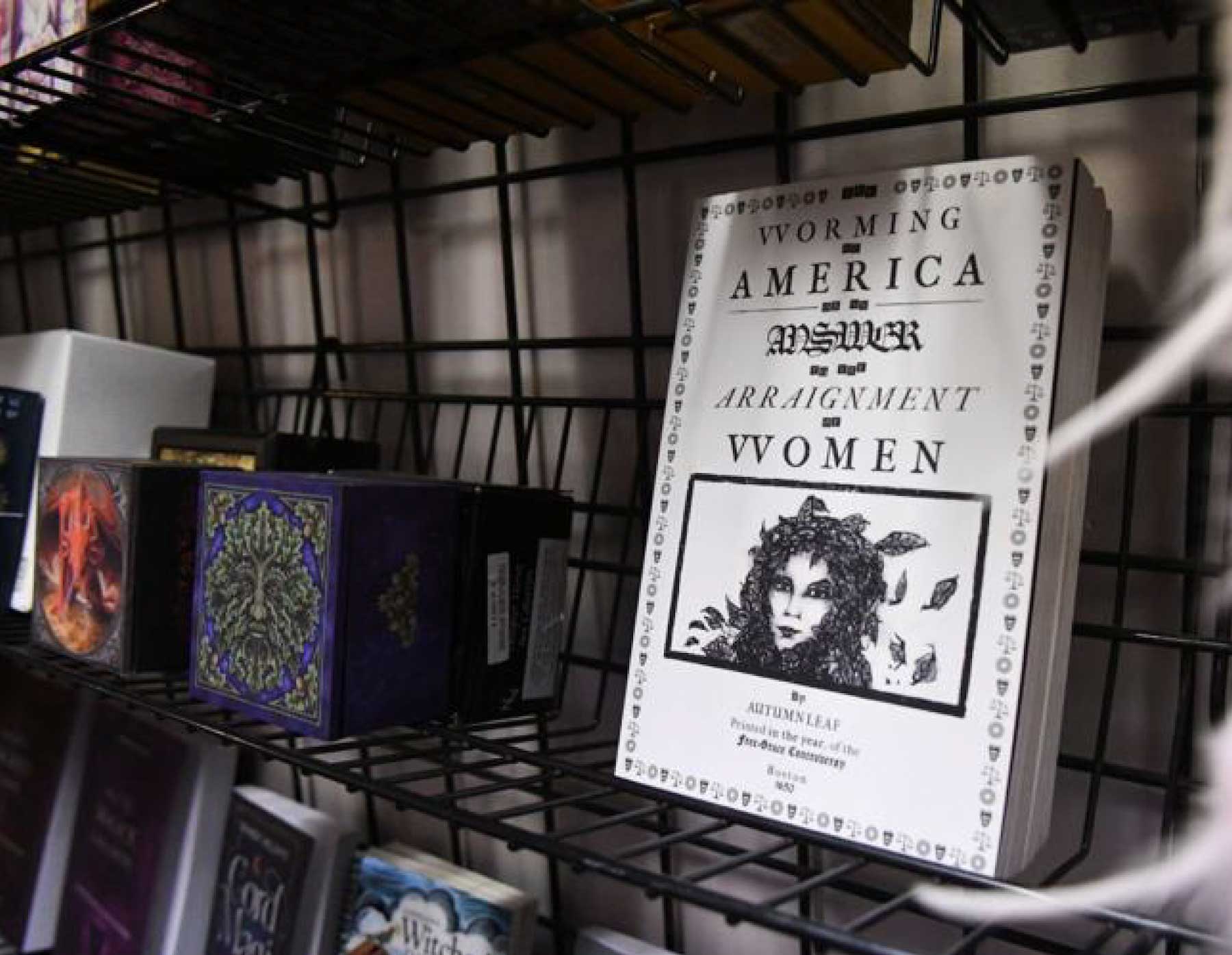
“The Worming of America, Or, An Answer to the Arraignment of Women” by Autumn Leaf and published by Free-Grace Press, an ind Shenandoah, is for sale Thursday at Nature’s Way Emporium in Shenandoah.
Lindsey Shuey / Staff Photographer
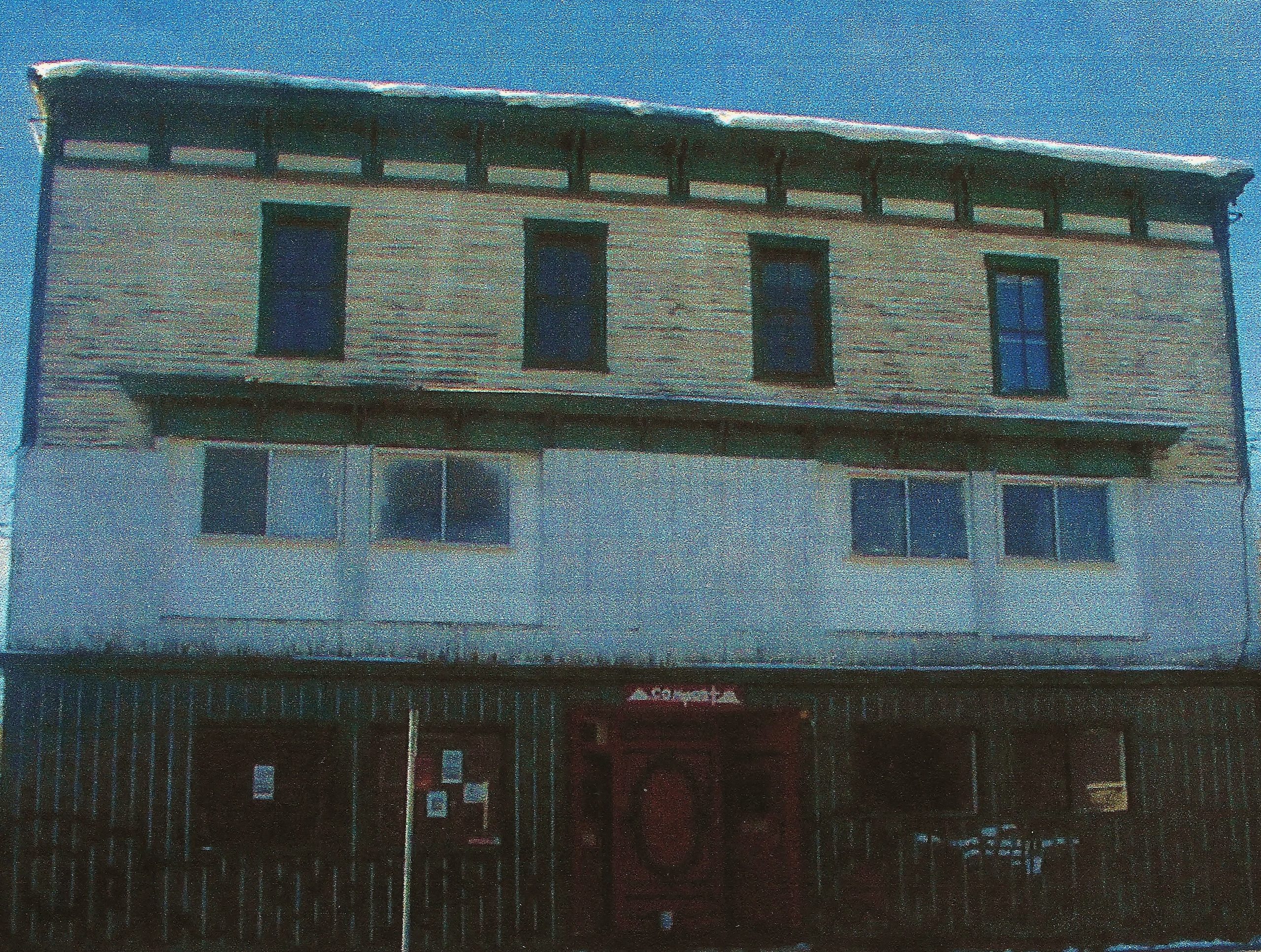
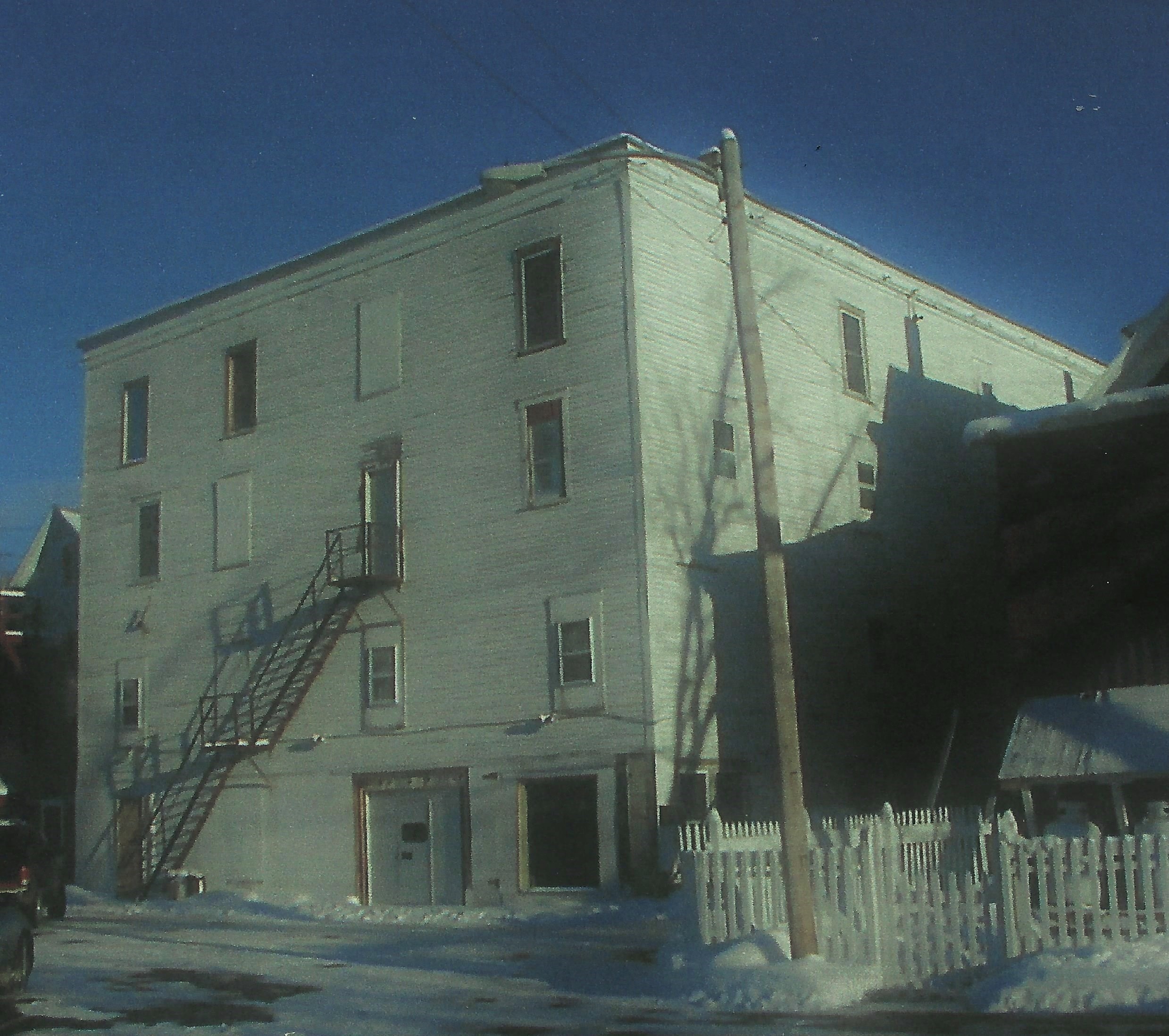
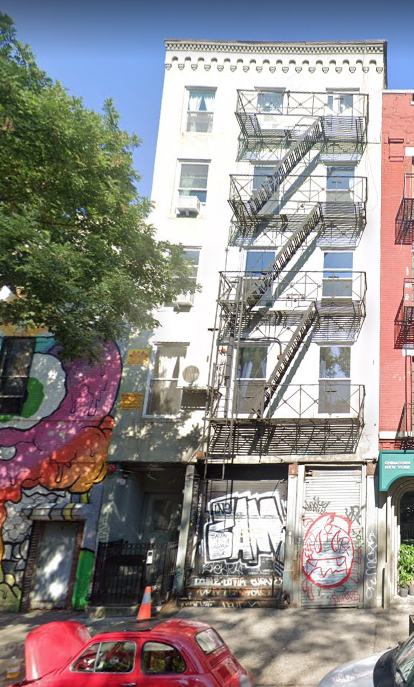
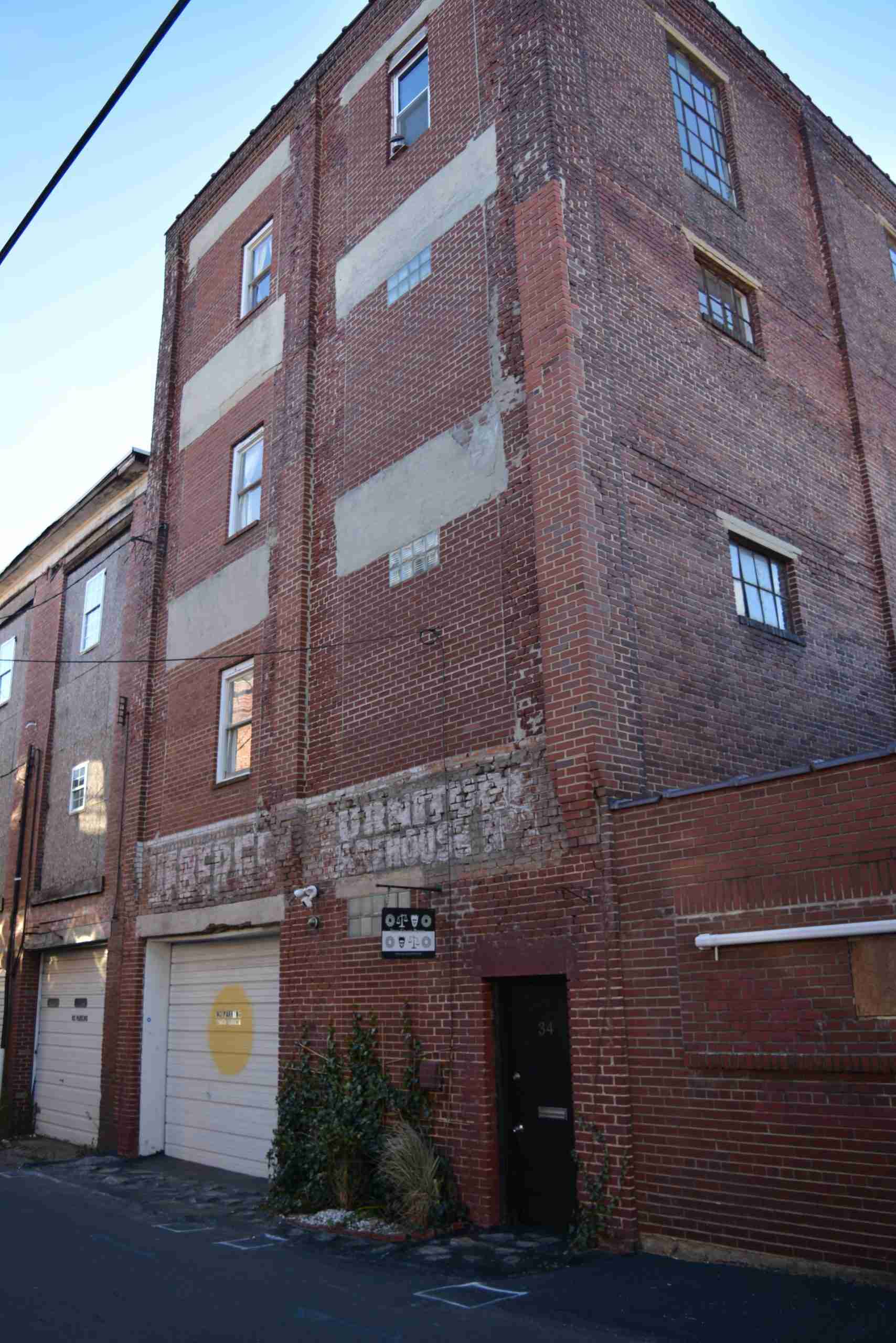
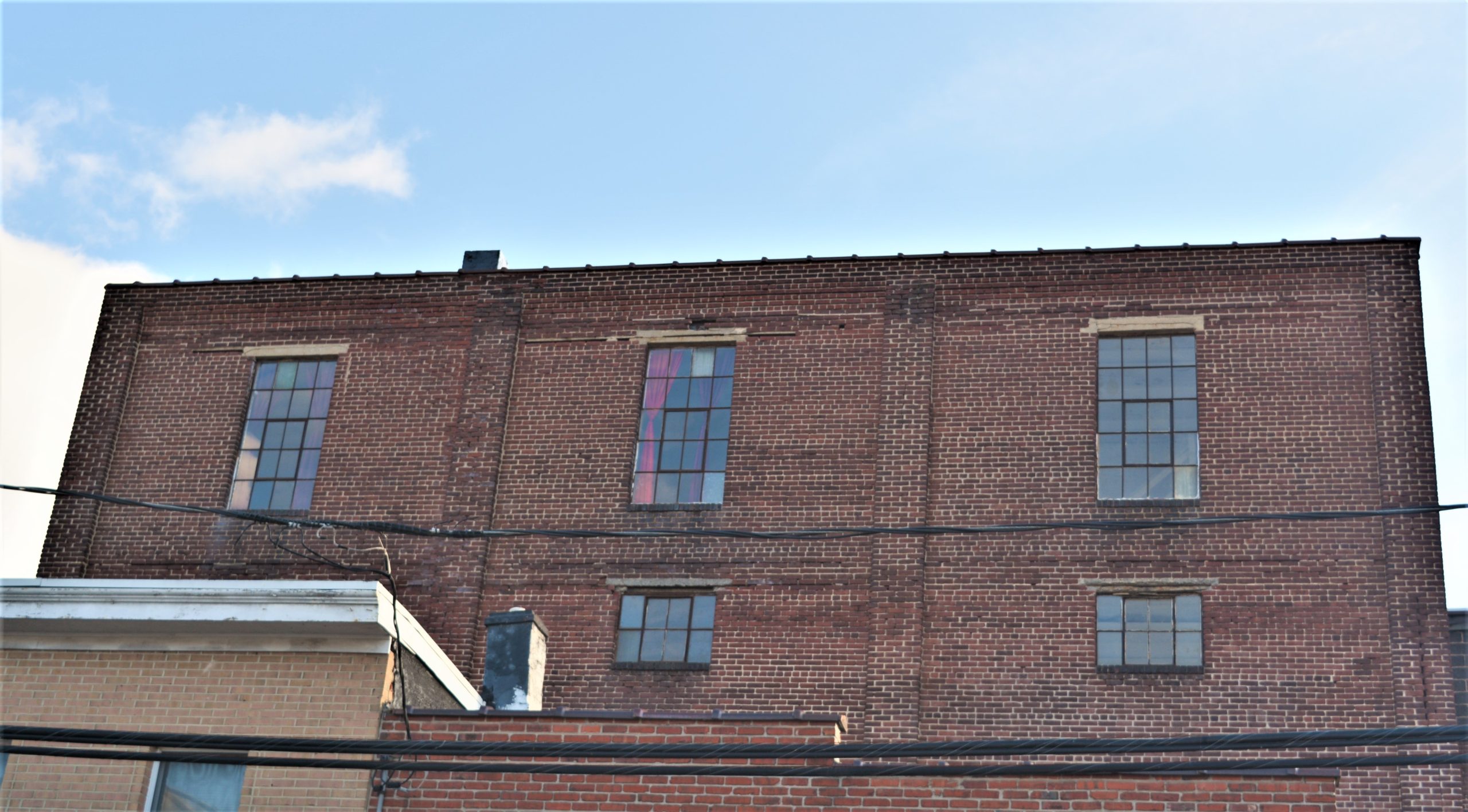
SHENANDOAH — The four-story steel-and-brick building that stands at 34 N. Ferguson St. may seem worlds apart from a young woman in colonial Boston.
The building, however, was where the story of one such individual, named Autumn Leaf, was conceived and brought to reality. The property houses Free-Grace Press, an independent book publisher that released the historical fiction novel, “The Worming of America, Or, An Answer to the Arraignment of Women.”
New York City-based entrepreneur Jamie Day established the company in 2018, with its inaugural novel published that year. She owns and operates the space with her creative partner, Clifford Jackman, and the two co-editors oversee every project in the building from start to finish.
Day said the author, who wishes to remain anonymous, wrote the novel while living at 34 N. Ferguson, where the book was also edited and completed for publication.
“We used the place while we were developing it,” she said.
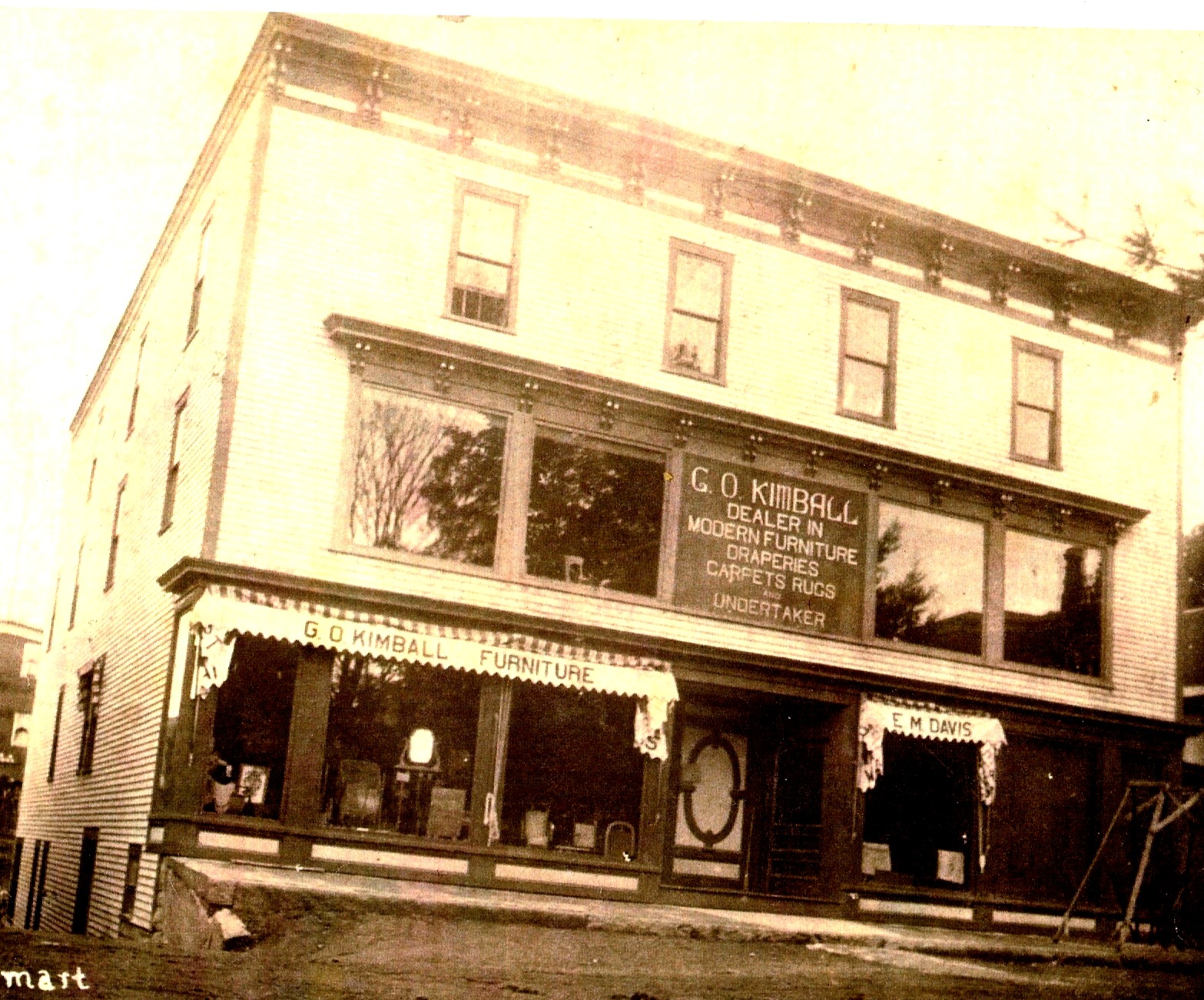
Located at the site of a former commercial warehouse, Free-Grace Press is situated comfortably in its homely, nearly century-old structure on Ferguson Street. A sign bearing the company’s logo hangs over the entrance, adding a streak of character to the otherwise drab brick facades lining the street.
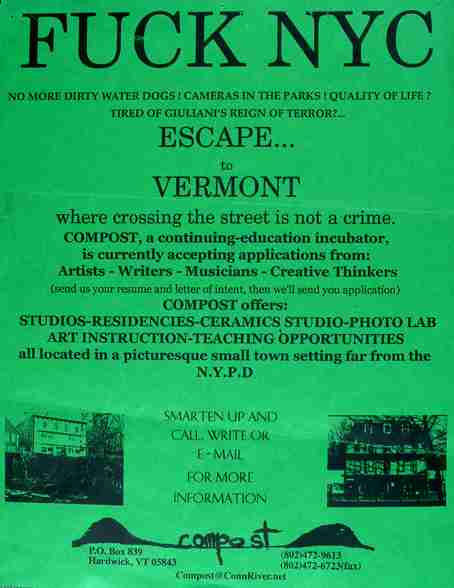
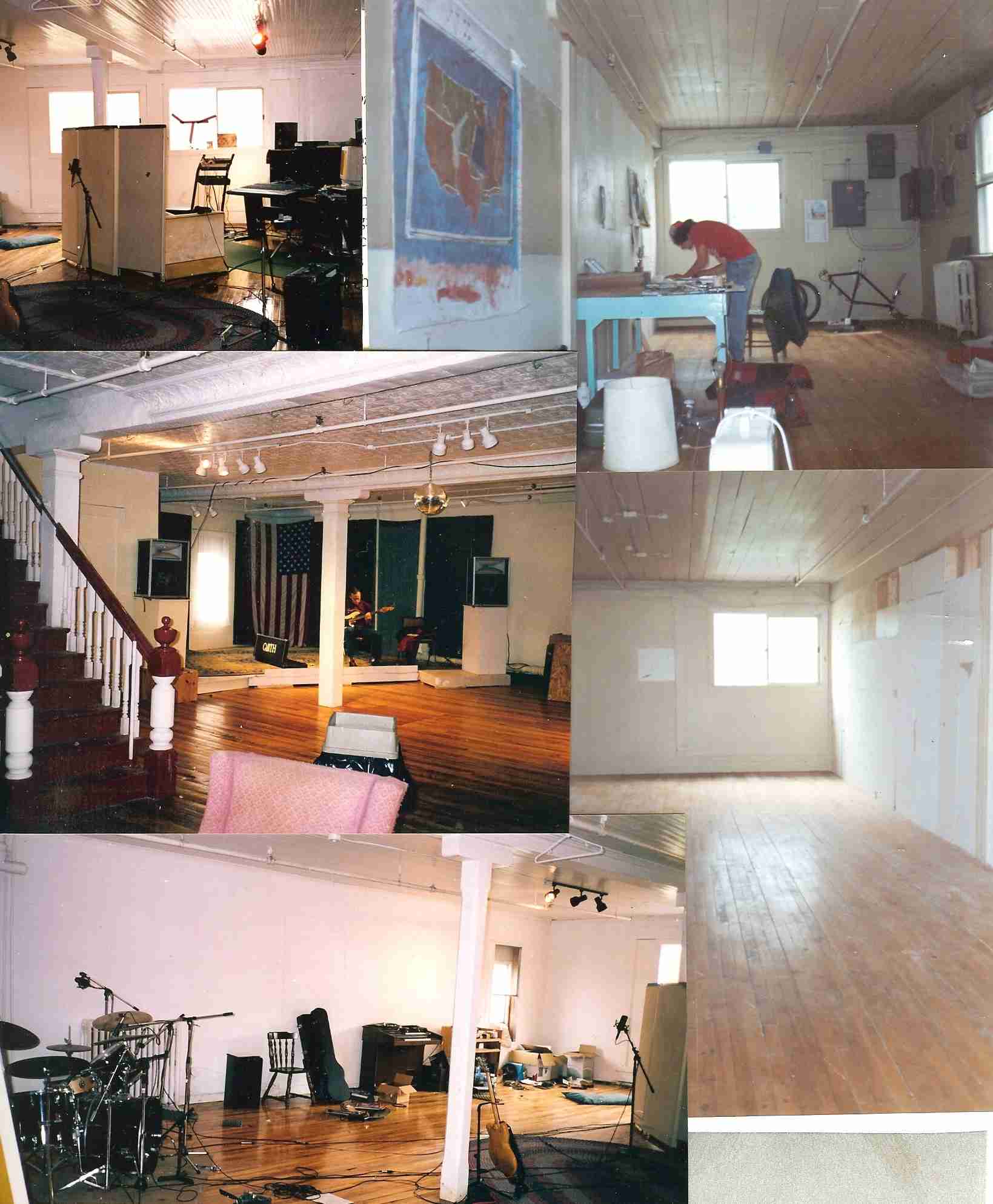
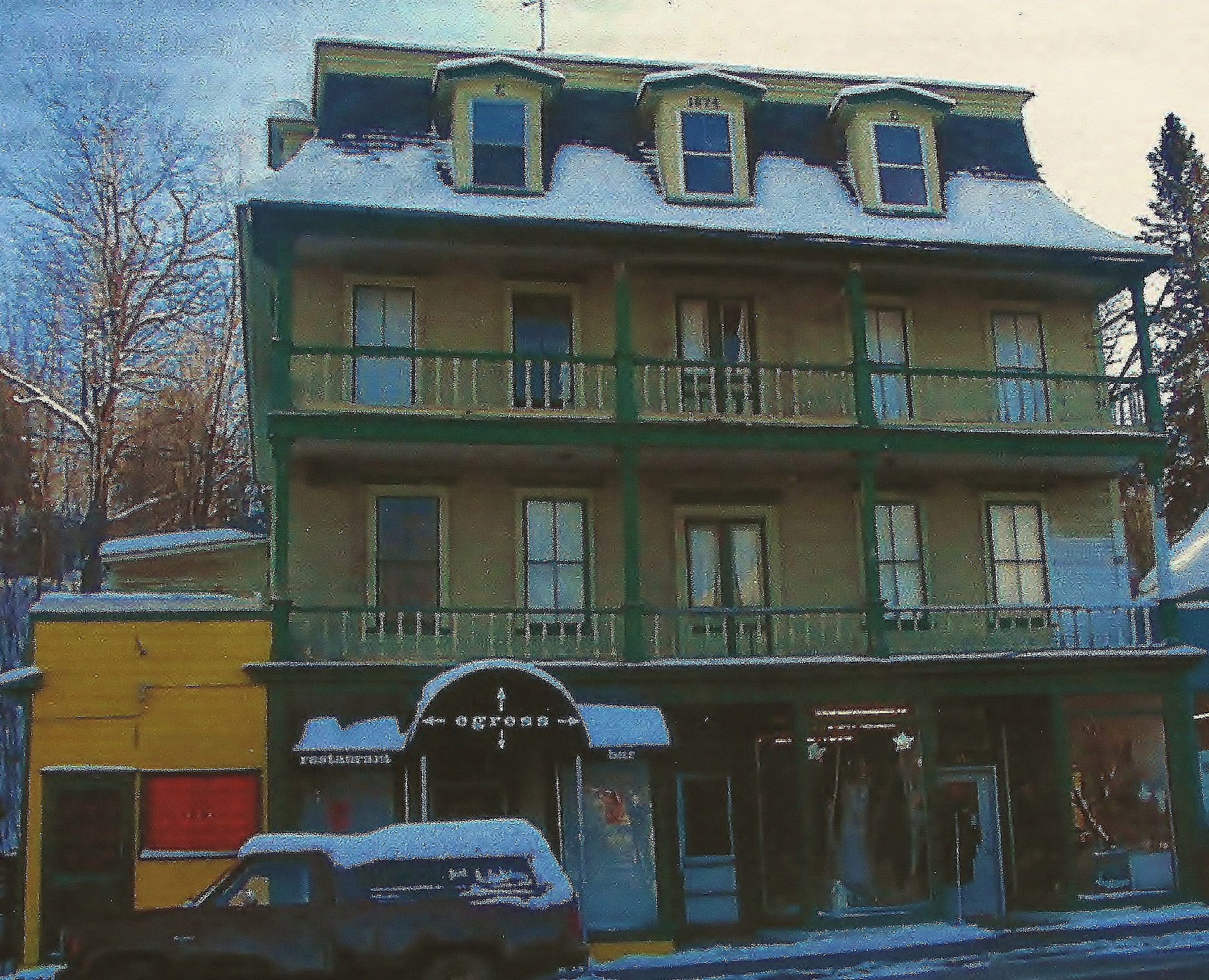
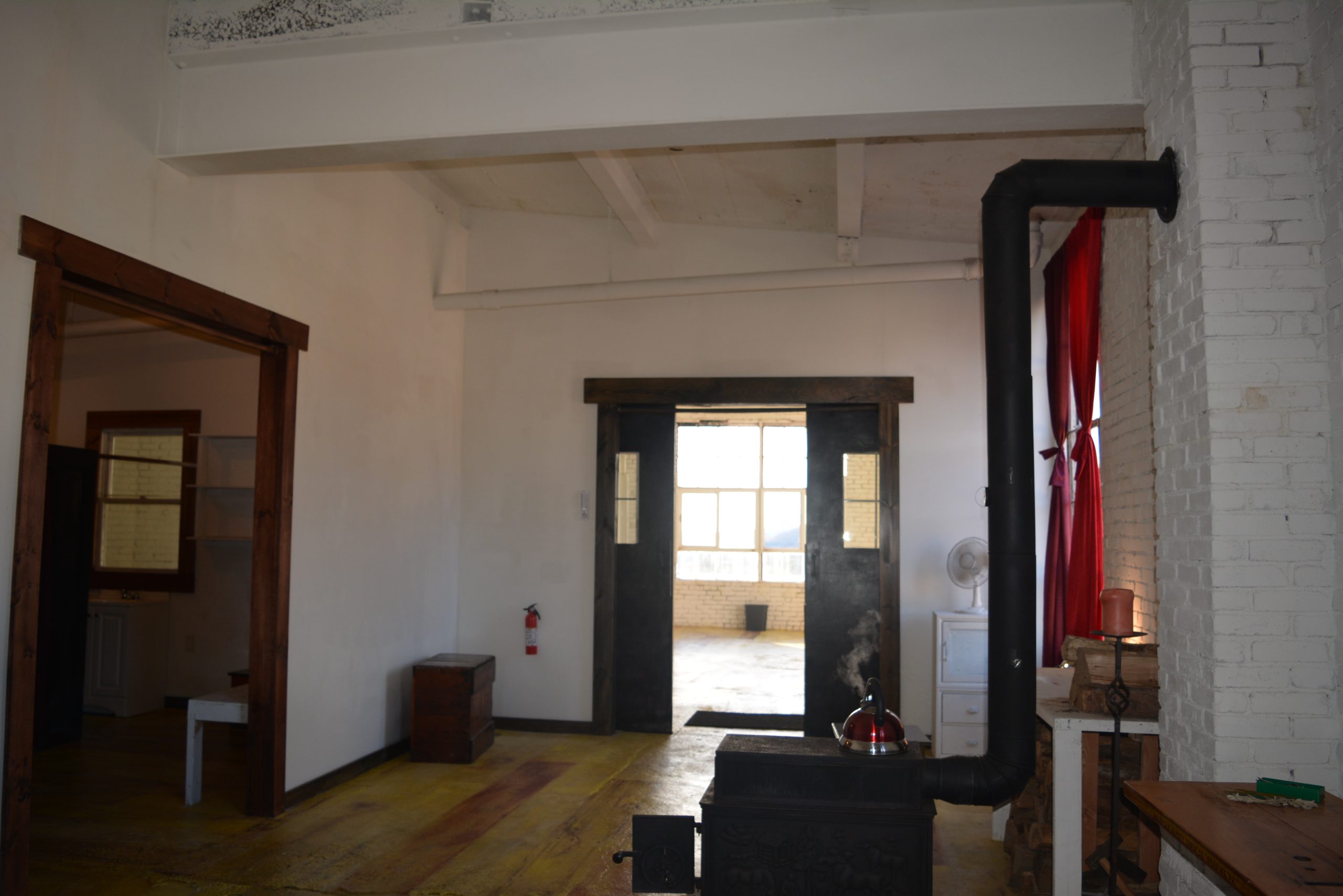
The property is also where Day operates her other Shenandoah venture, the Compost Art Center, a real estate development that strives to create a live-work space for artists, writers and entrepreneurs. The Shenandoah property is one of several locations for the center, with others based in Hardwick, Vermont, and Long Island, New York.
‘The Worming of America’
Classified as both historical fiction and alternate history, “The Worming of America” details the life of Susan Hutchinson, an 18-year-old woman who authors a journal of her thoughts, tribulations and drawings over the course of one day in June 1650. The book is presented as a “found manuscript” of the heroine’s transcriptions, which supposedly lay hidden before being uncovered by historians centuries later.
As such, the book’s authorship is credited to Hutchinson, whose pen name is Autumn Leaf.
In the novel, Susan Hutchinson — the daughter of famous Puritan spiritual leader Anne Hutchinson — struggles with what she sees as the oppressive Puritan forces of her day. With social and feminist overtones that resonate to this day, the book merges modern and 17th-century English prose to create a believable account of the young woman’s story, according to Day.
“The voice of the author is historically true,” Day said. “The way the book is written, it’s written from an autobiographical point of view.”
Among other themes, the novel touches on free grace theology, a Christian belief that was controversial in the Massachusetts Bay Colony in the 1600s. The belief concerns with everlasting life being a free gift so long as one has faith.
Among the well-known free-grace advocates of the time were Anne Hutchinson, Henry Vane and Mary Dyer, who was hanged in 1660 for refusing to abjure her beliefs. “The Worming of America” includes a series of letters between the younger Hutchinson and Dyer.
“(Dyer) was so important to America because of what she stood up for,” Day said, adding that the book was inspired by the “foundational ideas of America.”
The book’s title, meanwhile, alludes to a pamphlet written by Joseph Swetnam in 1615, called “The Arraignment of Lewd, Idle, Froward, and Unconstant Women: or the Vanity of Them, Choose You Whether: With a Commendation of Wise, Virtuous and Honest Women: Pleasant For Married Men, Profitable For Young Men, and Hurtful to None.”
Many women deemed the tract misogynistic and authored counterarguments. One famous response, called “The Worming of a Mad Dogge,” was written in 1617 by an author under the pseudonym Constantia Munda.
“So I am playing off the title, and calling it ‘Worming of America,’” Day said, “because Susan Hutchinson was a woman speaking out in the American colonies and was speaking about free grace.”
Though ostensibly written in the 1600s, “The Worming of America” has many similarities with literary works produced centuries later. Jackman said that Nathaniel Hawthorne’s “The Scarlet Letter” and Mark Twain’s “The Prince and the Pauper” serve as the best points of comparison for the novel’s narrative and themes.
“Hawthorne based ‘The Scarlet Letter’ on Anne Hutchinson,” Day said.
The book’s introduction states that Leaf’s manuscript is a “tragic-comedy,” with prose reminiscent of the “languid and serious style” of Virginia Woolf, and dialogue and descriptions in the mold of Flannery O’Connor and Walt Whitman.
Weaving all of those literary influences together, the author creates a unique, characteristic voice for Leaf that never wavers over the course of its 300 or so pages. The book combines dark, quirky black-and-white illustrations — supposedly drawn by Leaf — that complement the story.
In one passage, the narrator, after having been captured by the Lenape Native American tribe, writes of living with the people: “The Indian women left our straw-and-mud longhouse withdrawn, with a sense of calm completion on their brows; the men scurried around like anxious ants or worry-wart buggers, looking for their ant-hill home which had just been kicked away. Subsequently, men bang the drum.”
“The Worming of America” is available on Amazon in physical, Kindle and audiobook formats. In Schuylkill County, people can buy the book at Nature’s Way Emporium, 28 S. Main St., Shenandoah.
Future projects
Free-Grace Press is currently working on two follow-up projects consisting of four novels.
The first of those projects is “Mother’s Day in the Empire State, Or, An Answer to the Arraignment of Women,” a novel about motherhood in contemporary Appalachian society. The narrator of the novel, a 50- year-old woman named Connie Munda, is also credited as the author.
“She is a single mom in upstate New York and a child protection services officer,” Day said. “She investigates two mothers for child abuse on Mother’s Day, one mother lives within poverty Appalachia and the other lives within luxury Appalachia.”
Like the heroine in “The Worming of America,” Munda is the daughter of a historical figure, Anna Jarvis, the woman who established Mother’s Day as a holiday in the early 1900s.
The novel is due for release on Mother’s Day 2024.
Following that title, Free-Grace will publish a trilogy of novels called “Sagg, Or Life in Free-Grace,” which Day describes as a modern-day analogy to Henry David Thoreau’s “Walden; or, Life in the Woods.”
“The narrator, Sam Kane, is a divorced dad writing to his son and daughter about his life and failed family,” Day said. “It follows (“Walden”)’s chapter subject and topics, but the narrator is unaware of his life going down the same path as Thoreau’s experiment in the woods.”
Launch dates for the three volumes of “Sagg” are staggered yearly, with the first title to be released in the spring of 2025, the second in 2026 and the third in 2027.
Day said the content and illustrations for the books are completed, but they have yet to go through the editorial and publication process.
Before the books are deemed complete, Day and Jackman will have to undertake the marketing and packaging efforts, along with hiring an audiobook narrator to do readings. The books will be printed by a Scranton-area company.
“These days, it’s not just about writing the book and drawing the pictures,” Day said. “You also have to package it, do an audio reading, all kinds of stuff.”
Choosing Shenandoah
In selecting a location for her publishing venture, Day — an IT worker who lives in New York City — had sought a smaller and more relaxing area than that of her native city.
Her work with the Compost Art Center led her to the 7,200-square-foot brick building on North Ferguson Street. While renovating the space, Day and Jackman decided to create Free-Grace Press so they could complete “The Worming of America” and prepare the artwork and bindings for the book.
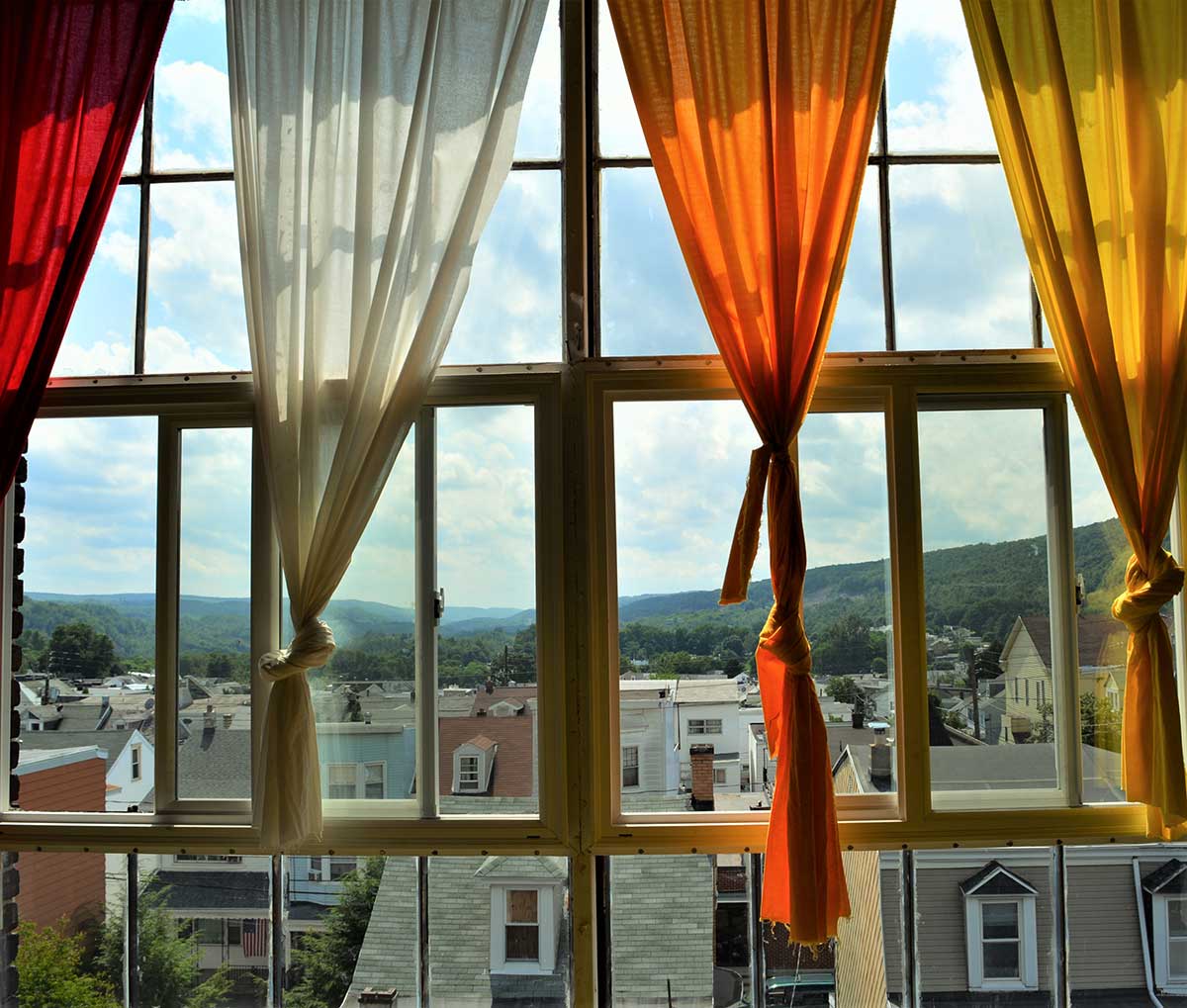
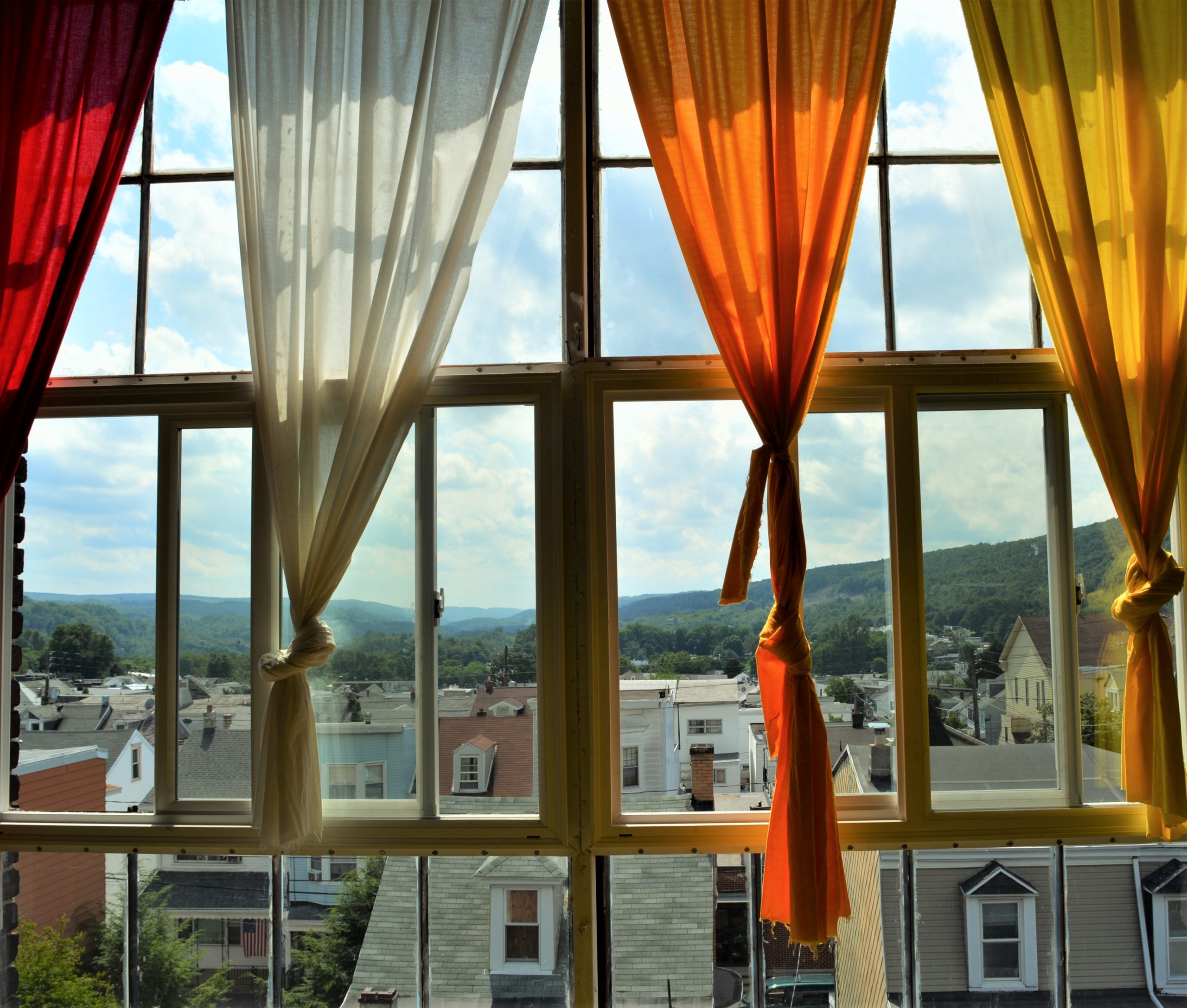
As an out-of-towner, Day likes what the borough has to offer, citing its architecture, atmosphere and busy Main Street district as among the positives in the small “coal-country” Pennsylvania town.
She was also drawn to the many business and revitalization efforts in town, including Downtown Shenandoah Inc.’s future business incubator, the Center for Education, Business & Arts, which is expected to break ground this year.
“As an investor, that caught my eye,” she said.
The Compost Art Center, she said, is ready to be used by a fellow artist or entrepreneur as a full-time workplace and residence. Day’s plan for the center is to sell the existing property, then move her venture to another location in the vicinity. She aims to follow this cycle for the rest of her time as a Shenandoah business owner, continually expanding her operations.
The center provides a space, she said, for Shenandoah to be “rebirthed from the new energy from an artist, writer or entrepreneur coming to town.”
“Shenandoah is a relaxing location where one can get their creative juices flowing and focus,” Day said.
HYUN SOO LEE
Hyun Soo is a reporter for the Republican Herald.