Non-Profit Real Estate Development for Artists, Writers,

and Information Technology Workers

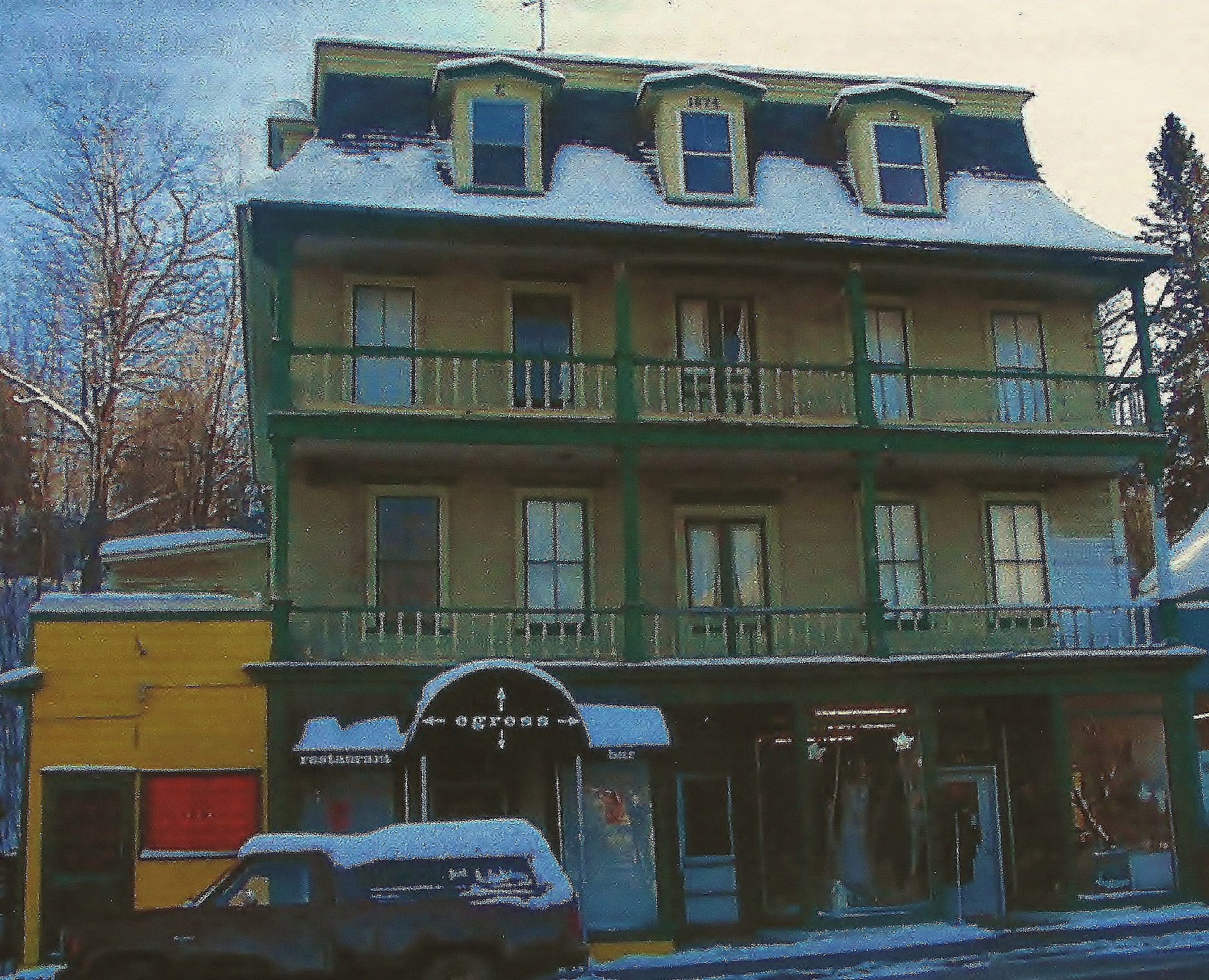
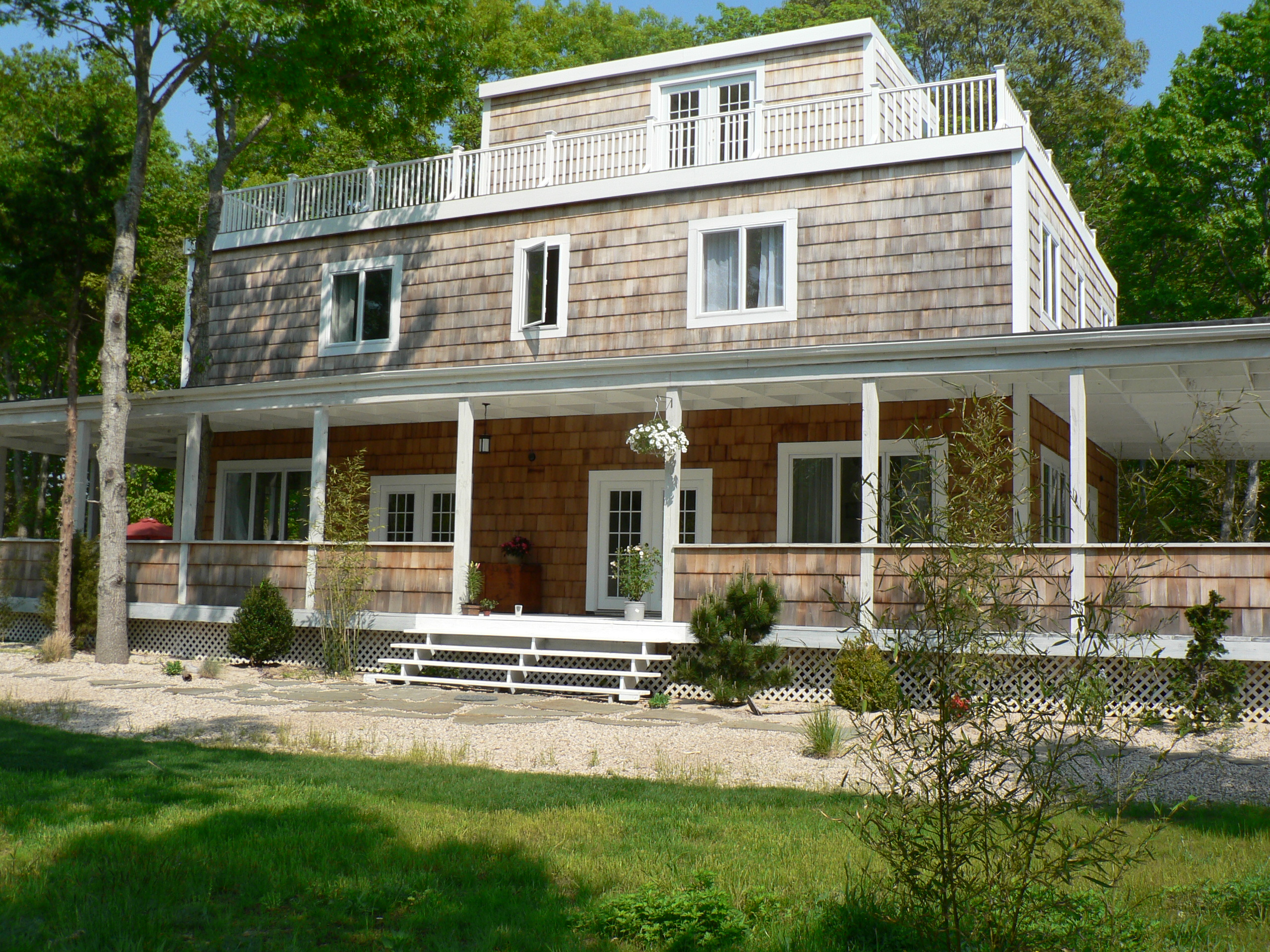
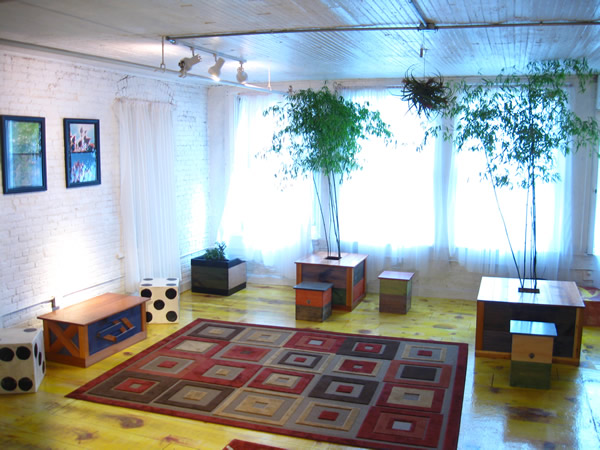
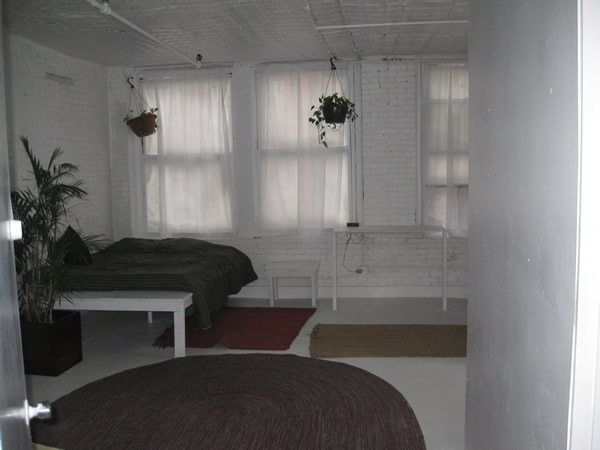
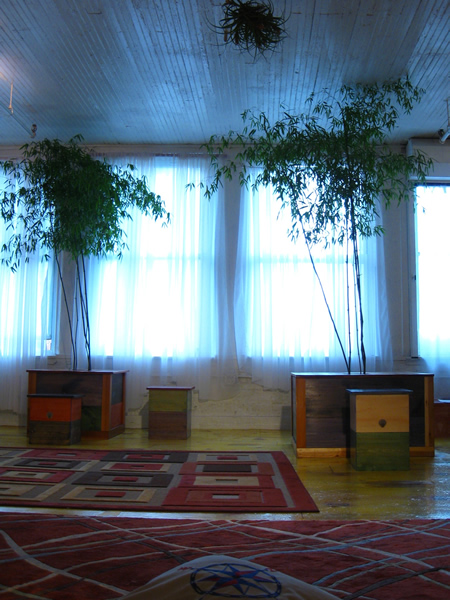
Compost Art Center real estate development strives to create homes for Artists / Writers and remote Information Technology Entrepreneurs. Compost provides visual and performing artists, designers, writers, musicians, technology designers and entrepreneurs with live-work studio space in a creative, vibrant atmosphere that nurtures innovation and communication. Compost Art Center projects are located in Hardwick, Vermont, Sag Harbor, New York, and Shenandoah Pennsylvania.

The Founders, Jamie Day and Clifford Jackman, became focused on residency programs after Jackman worked at the Nantucket School of Design and Art (NISDA) and The Guild Hall in East Hampton, NY – where he gained immense knowledge about the unique opportunities for social benefit as well as the investment potential for philanthropic investors who are committed to the advancement of the fine arts.

FOUNDERS STATEMENTS

Jamie Day – After taking art classes at The Art’s Student League and The School of Visual Arts, it seemed to me that the Art schools were creating generations of art school graduates without a common goal or sense of Fine Art responsibility. Art schools refuse to teach artists how to sell your work or financially support your work.

Clifford Jackman – After attending art schools in New York (Fashion Institute of Technology) and Boston (Massachusetts College of Art) and also being in the military, I realized the problem with art schools. They didn’t teach graduates to respect each other, balance a checkbook and/or build the Fine Art industry and livelihood. There was not, nor is there at this time any Fine Art Unions, or industry groups protecting the Fine Artist industry and livelihood. Essentially there was NO planning, or communication about the future, and most damaging to the fine arts industry was that there was no esprits de corpse.

Art school academia taught us nothing about food, clothing and shelter. They taught us to worm/sleep, your way into gallery representation or die poor and unknown. I wanted a different Fine-Art life, so Jamie and I, create live/work homes for artists/writers and entrepreneurs in rural America.

ART AS FINANCIAL ASSET

Clifford Jackman – In the mid 1990’s there was also the negative conversion of Fine Art into an asset class for the rich. Financial advisors, galleries, art administrators,  museums, and all their sleazy sales people converted lame art into a commodity and lame artists into entertainers (Charles Saatchi/Damian Hirst). These art administrators (seven administrators make a living off of one artist’s work) catered to the extremely wealthy looking for asset protection and/or cultural capital.

Nobody is nurturing the current art scene. Art fairs and Etsy has not raised the annual income of art and writer grads. Artists’ and writers’ annual salary continues to fall below a livable wage and is below that of a ditch-digger.

On the other side of the economic spectrum – the low income and poverty side of America in urban, suburban, and rural areas – non-profit art groups financially support “the children’s art program” and “the senior citizen’s art therapy” within their community, BUT NOT THE INDIVIDUAL ARTIST.  That’s because these non-profits don’t care about artists or the current art scene – they only care about their salaries.

Art administrators don’t want to lose funding like they did with the National Endowment for the Arts in the 1990’s. That’s because grants were awarded to individual artist like Karen Finley, Andres Serrano, and David Wojnarowicz. These art admin or artsy salespeople are damaging artists and the current art scene because they are siphoning money away from the artist that should help recent art grads and current art creation.

I saw the need here for ARTIST-RUN residencies – eliminating the over-reaching art administrative problem, and giving more power to the artist.

COMPOST MISSION

Compost Art Center’s Mission is to enable artists, writers, inventors, and IT entrepreneurs to work on their next creative project while living in an affordable, harmonious, and productive setting. Our non-profit mission is to create and provide affordable living and working space. Our projects encourage artists to participate in the use of their imagination and experimental vision in order to establish the role of the fine artist and small business entrepreneurs as a vibrant and central participant in the community where they live and work.

COMPOST PHILOSOPHY & INSPIRATION

We both drive our philosophical inspiration from the 1900’s New England Transcendentalist movement that included Ralph Emerson’s Self-Awareness,  Henry Thoreau’s Walden, and Edith Wharton’s Ethan Frome. Artistically we work off of the expressionistic painter and writer Robert Henri – especially his book – “The Art Spirit.” And of course we get energy from Walt Whitman’s “This Compost” poem. And like Walt – we drive our “Plough” “Beholding the compost” and work on our art, and/or our “Leavings.”

Timeline

1997 ♦

RENT… OR OPEN A RESTAURANT IN SANTA FE

Jamie Day – As we both graduated art schools in the mid 1990’s the gentrification of the artist’s and writer’s neighborhoods was in full swing in both Boston (Central Square/Cambridge, Fort Point/Boston, and Jamaica Plain/ West Roxbury/Boston). And in New York (All Downtown Manhattan) and Williamsburg, Brooklyn. In these gentrified areas rent had risen to quickly to get any serious fine art or entrepreneurial work done.

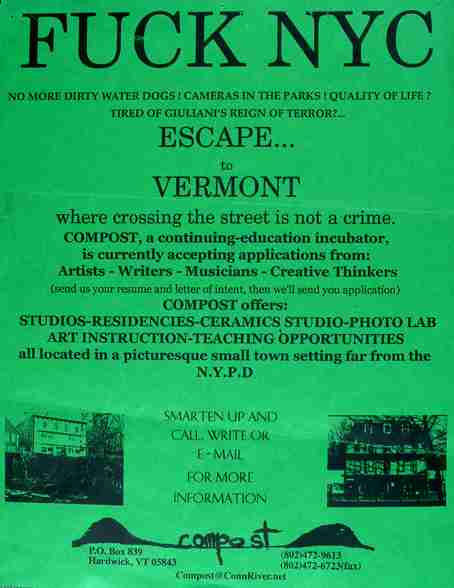
The play and then movie RENT describes these trials and tribulations of young artists in NYC in the 1990’s. Also at this time was the expansion of the internet, so we could do good research and more important – listen to our favorite college radio stations on line. The internet made it possible to live anywhere as long as it had a decent internet connection. We decided to leave NYC and not “Open a Restaurant in Sant Fe,” but open a restaurant in the northeast Kingdom of Vermont.

1997 ♦

Compost Studios

1999

2004 ♦

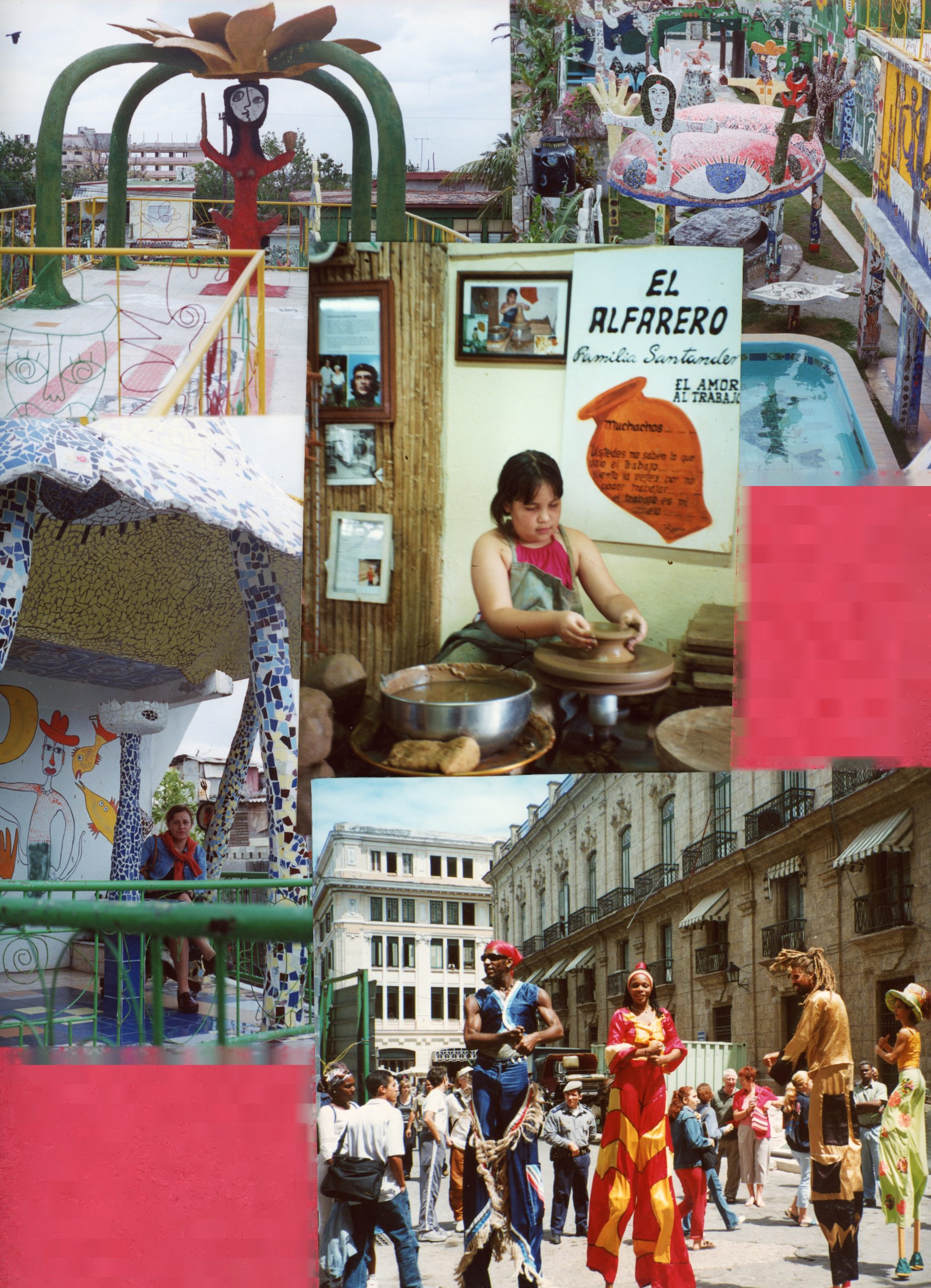
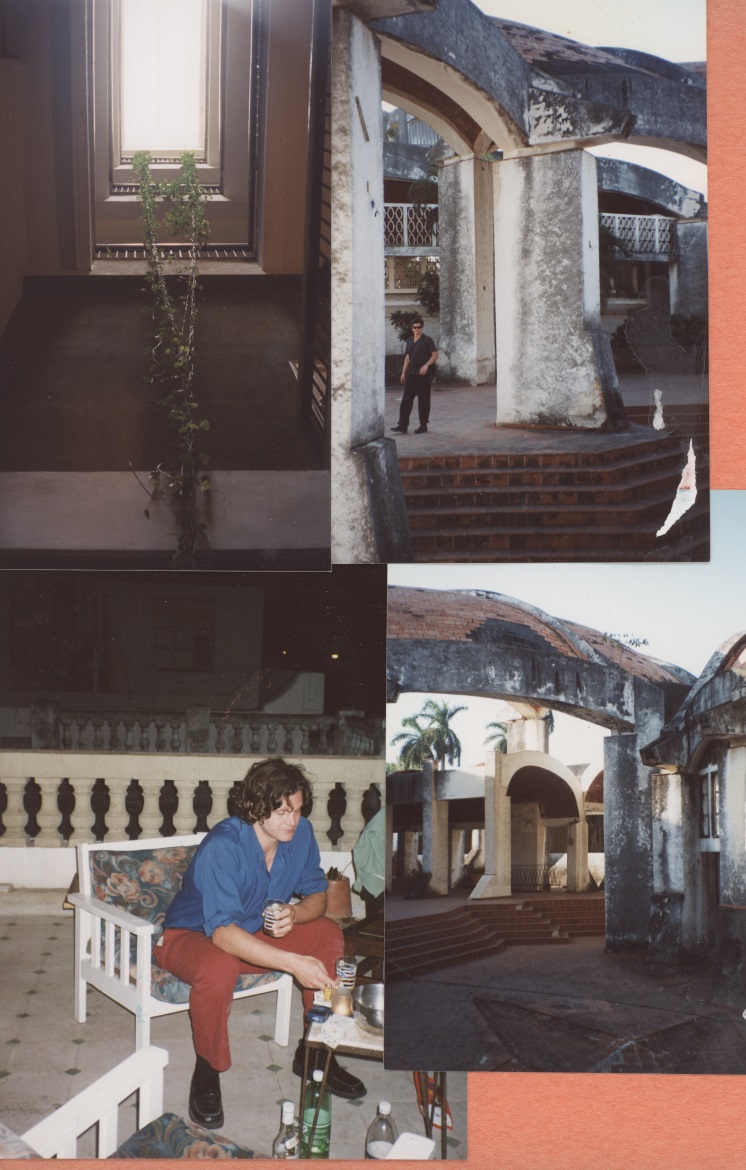
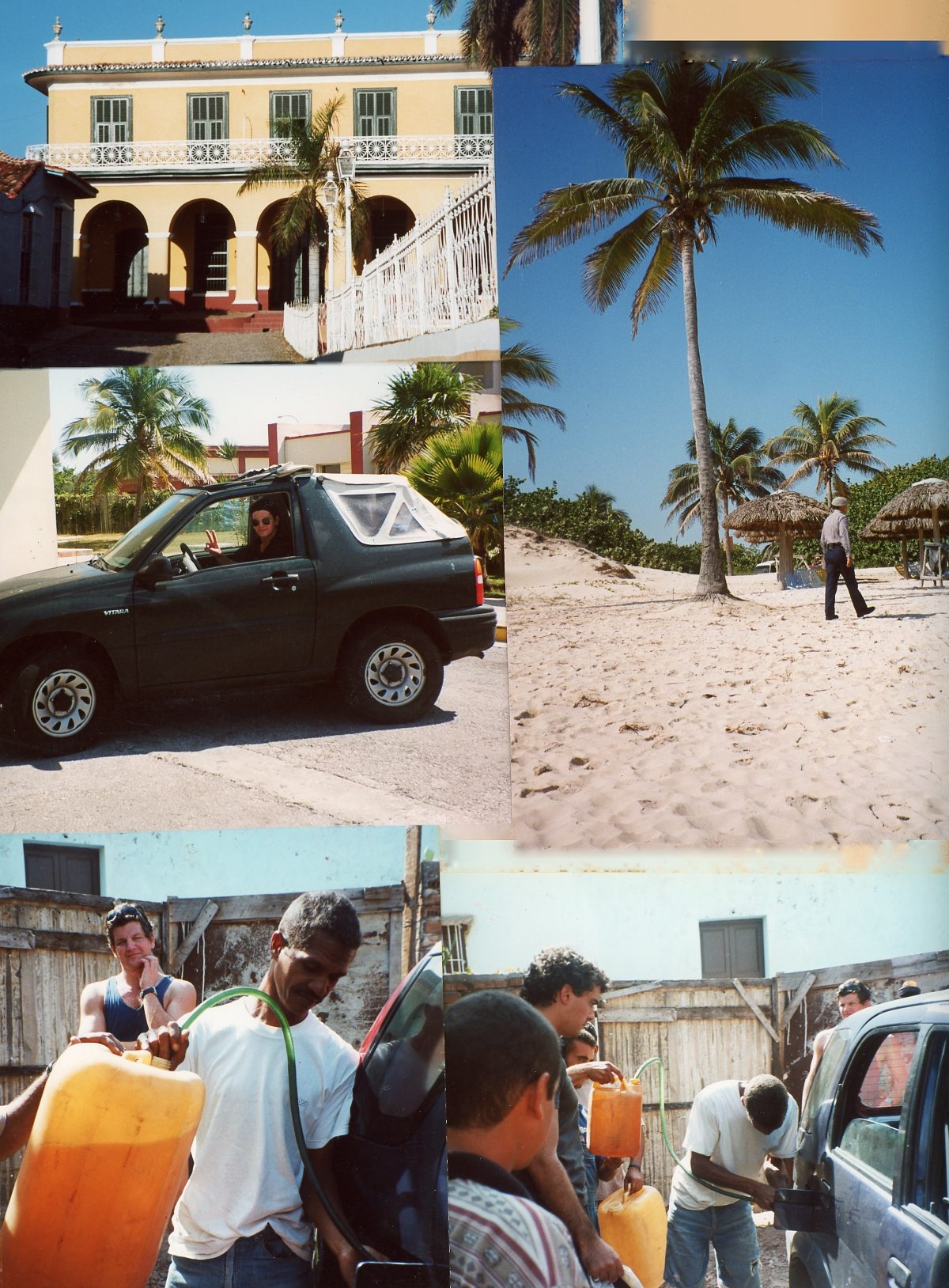
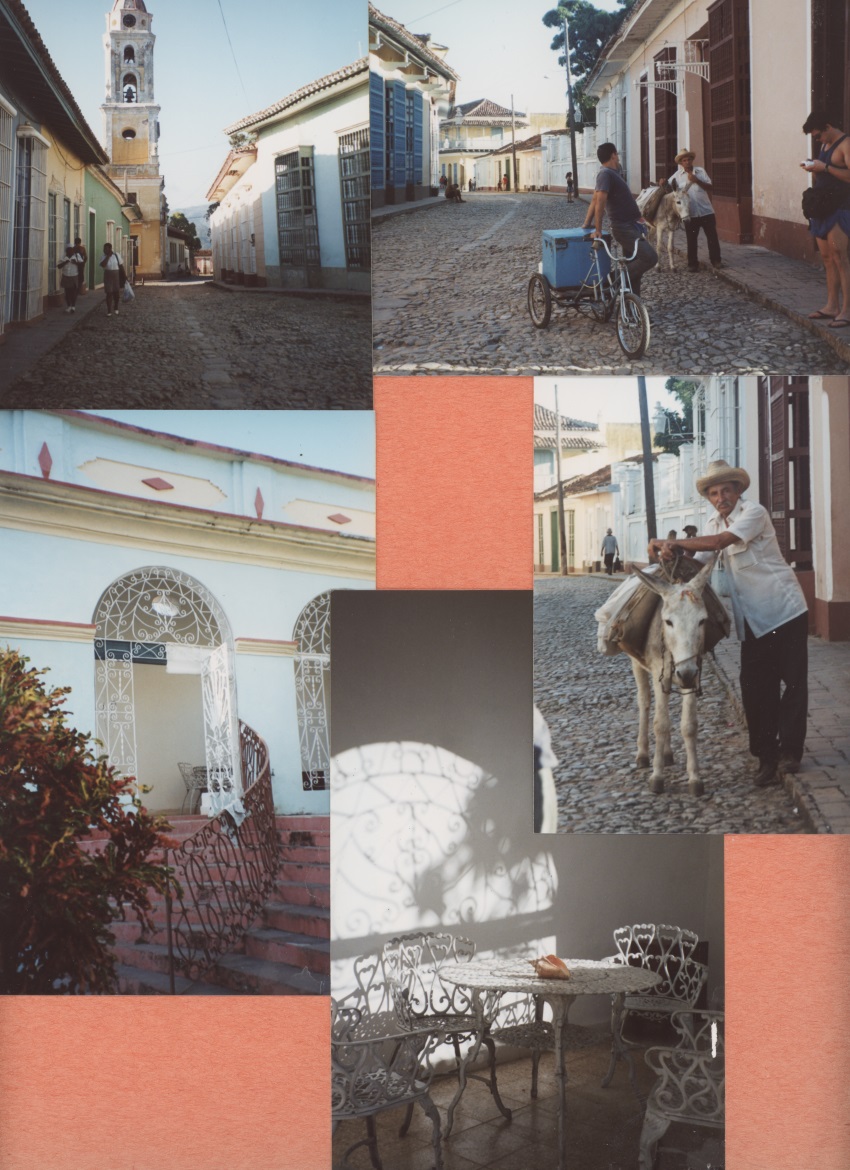
2004, Compost Art Center worked with Amistad

Fundacion, a Cuban and Duke University cultural exchange program. Amistad Fundacion was working with the Town of Easthampton who had set up a Sister-City program with Playa, Havana in Cuba. Compost Ar Center hosted/supported Cuban artists in the Hamptons and had gallery shows in Amagansett and Sagaponack.

Compost also coordinated American artists visiting and working in Cuba.

2003 ♦

Sagaponack Compound

♦ 2006 – 2012

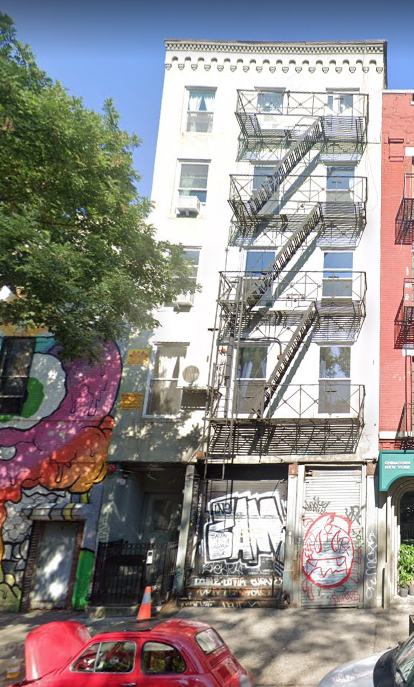
COMPOST Art Center Development  –  Division Street, Chinatown, NYC 2012

2008 – 2012 ♦

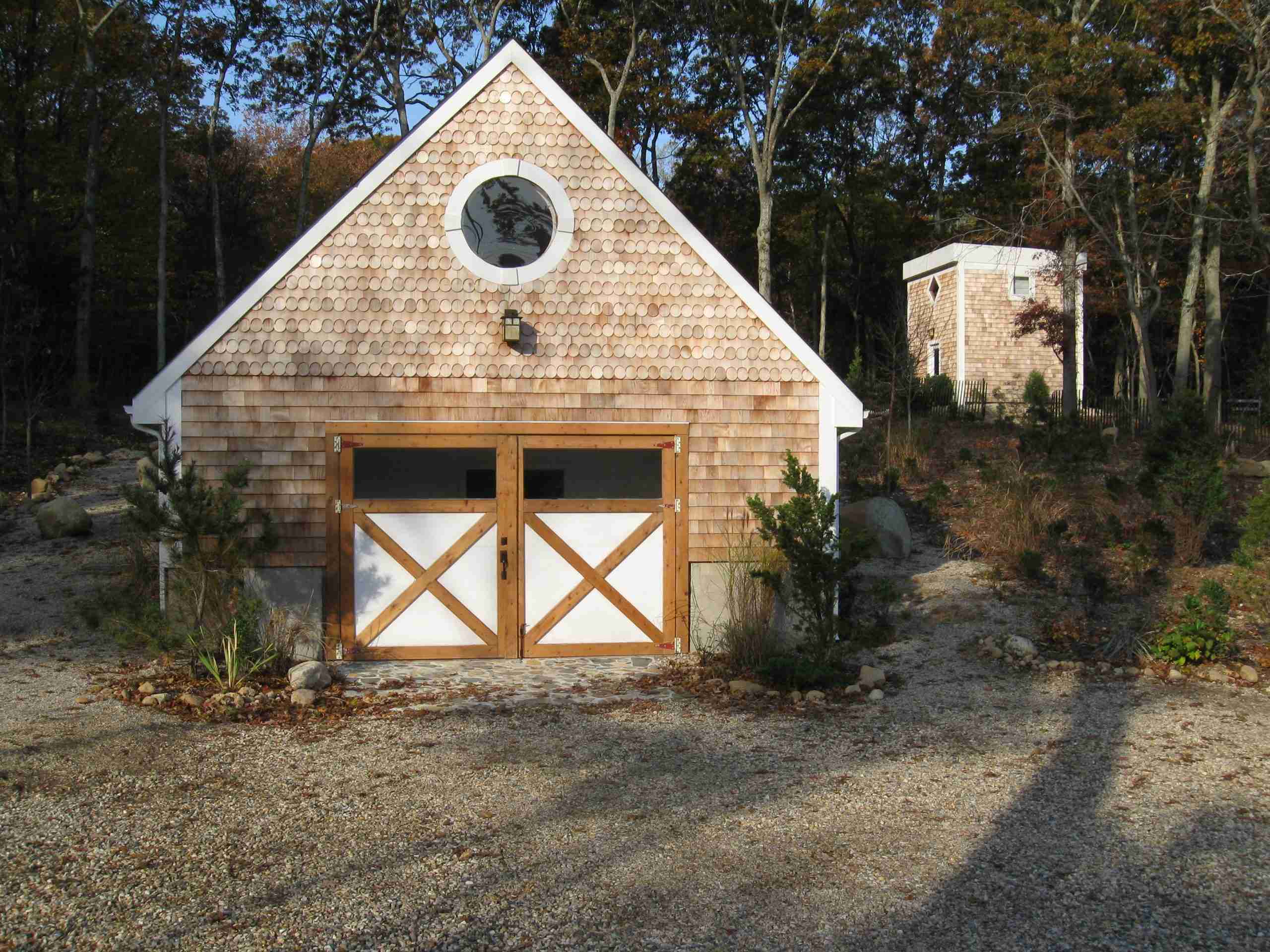
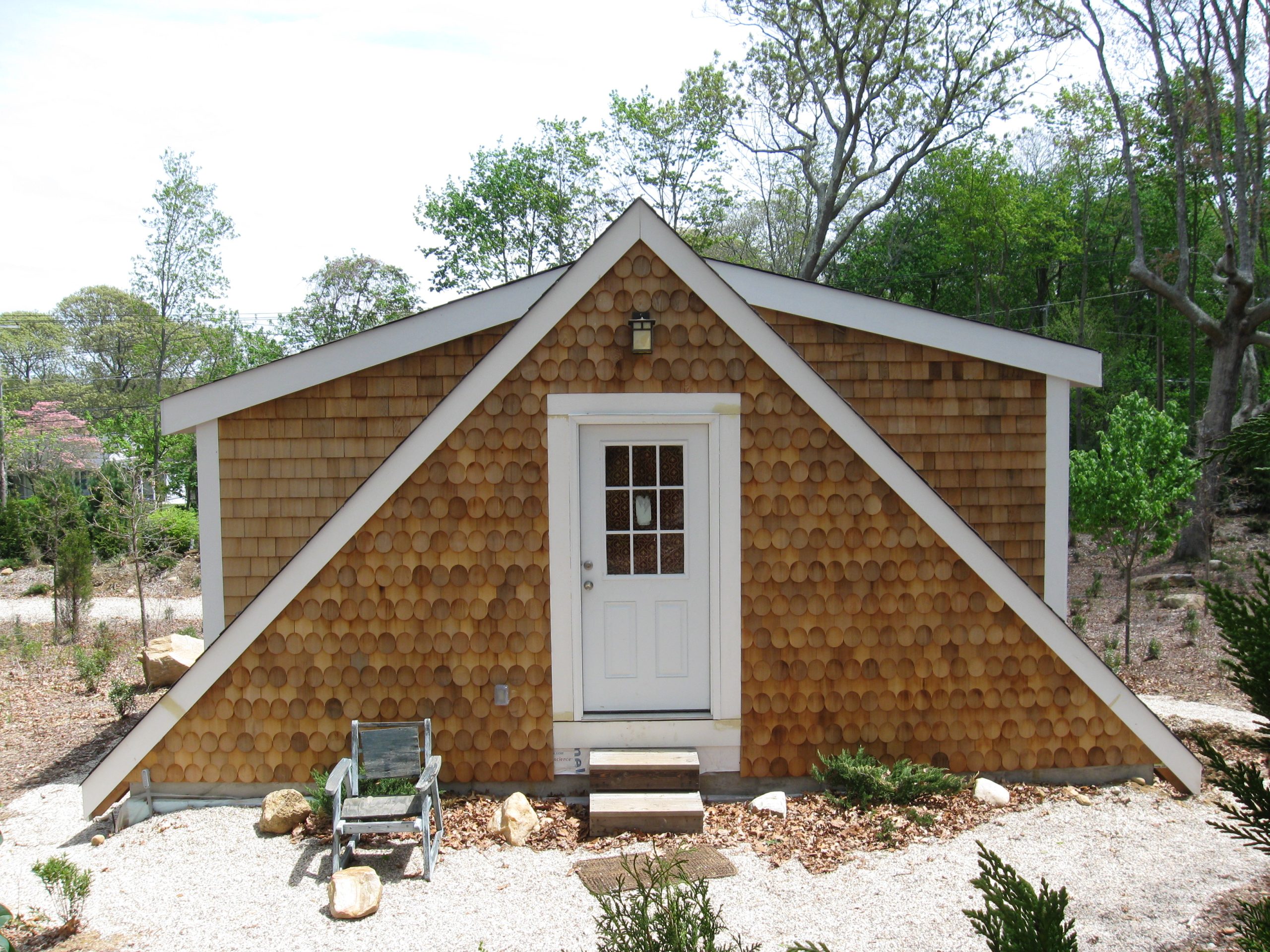
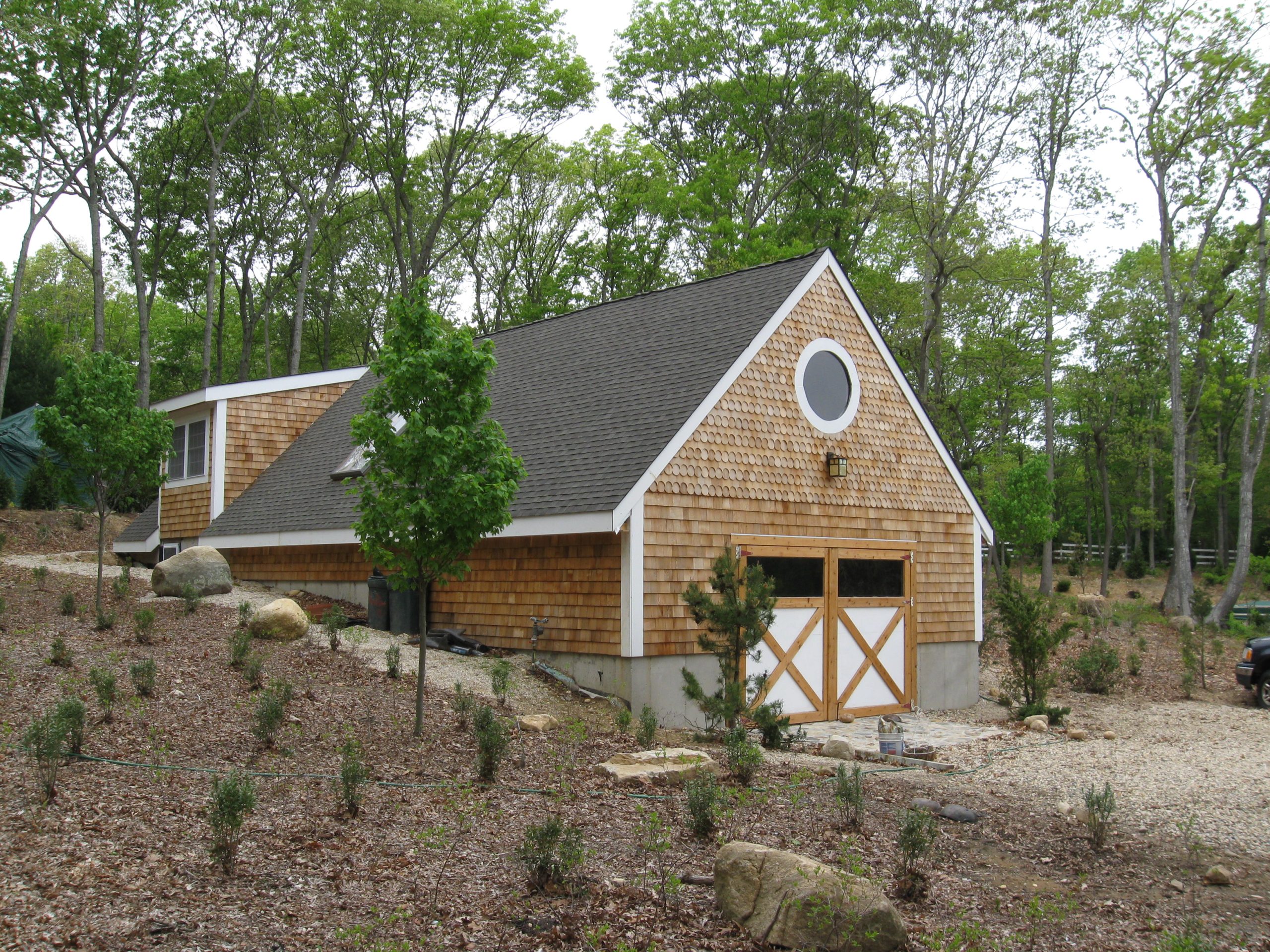
2008-2012 Sag Harbor

2014 ♦

2014 ♦

2014 – 2022

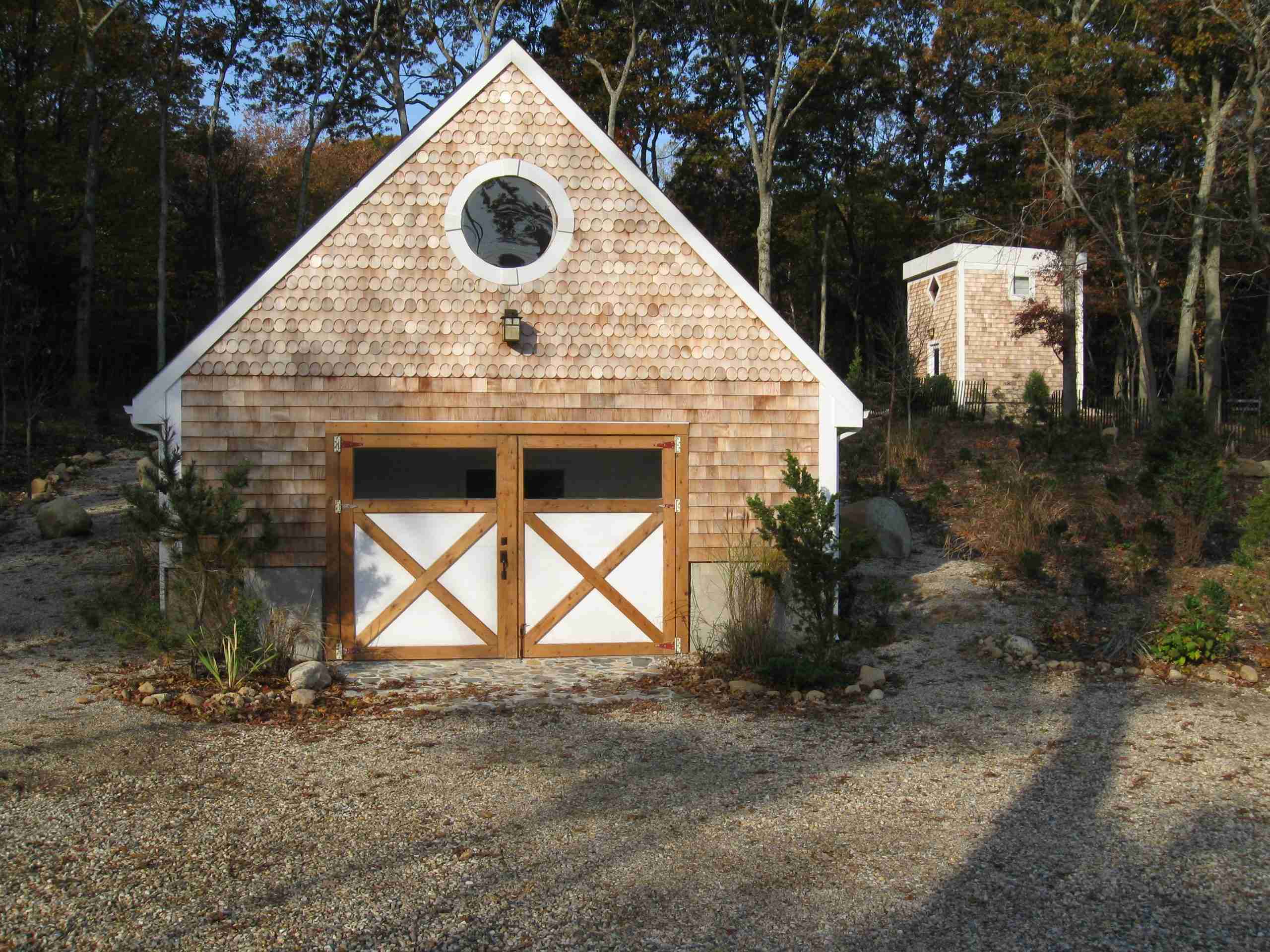
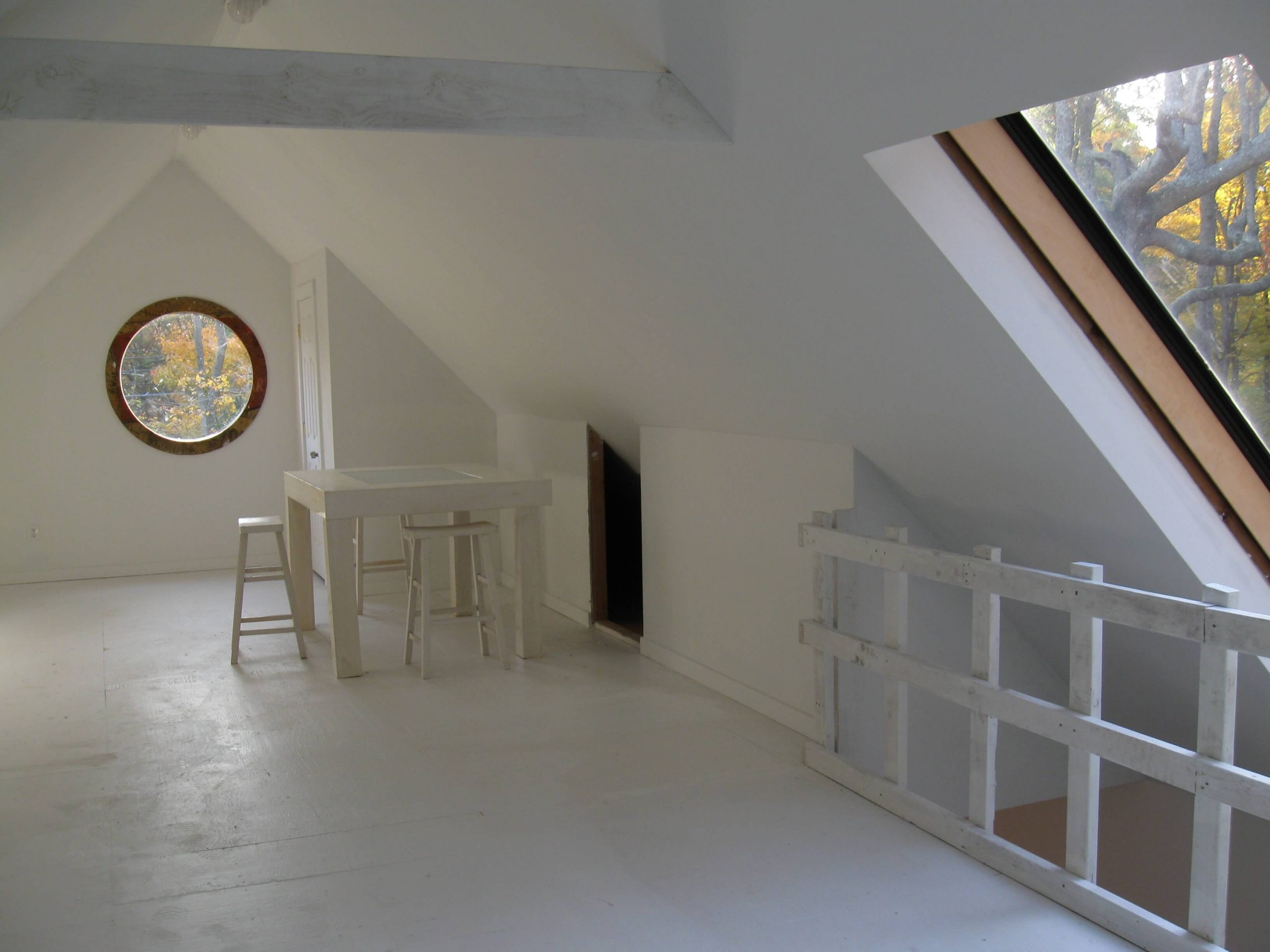
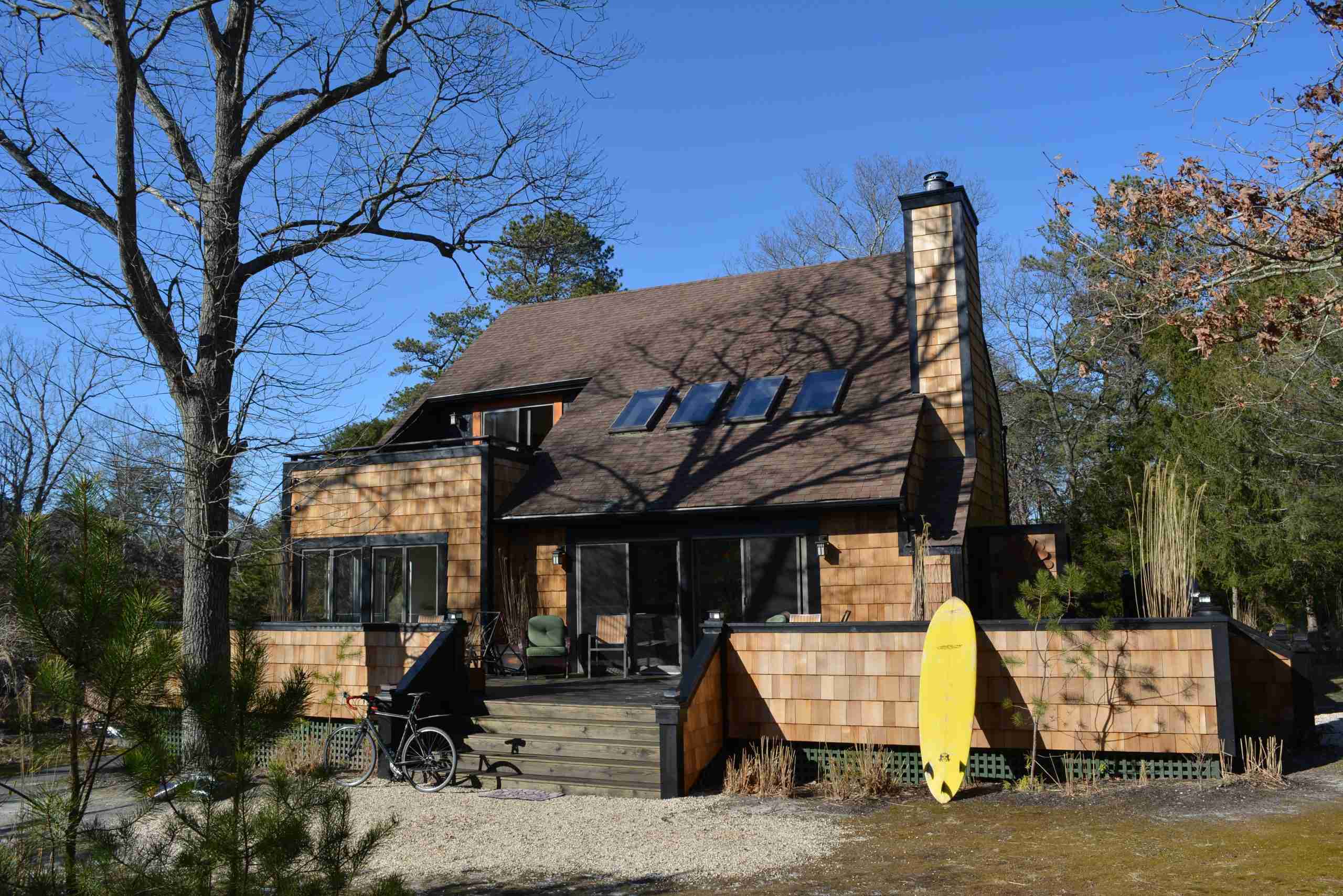
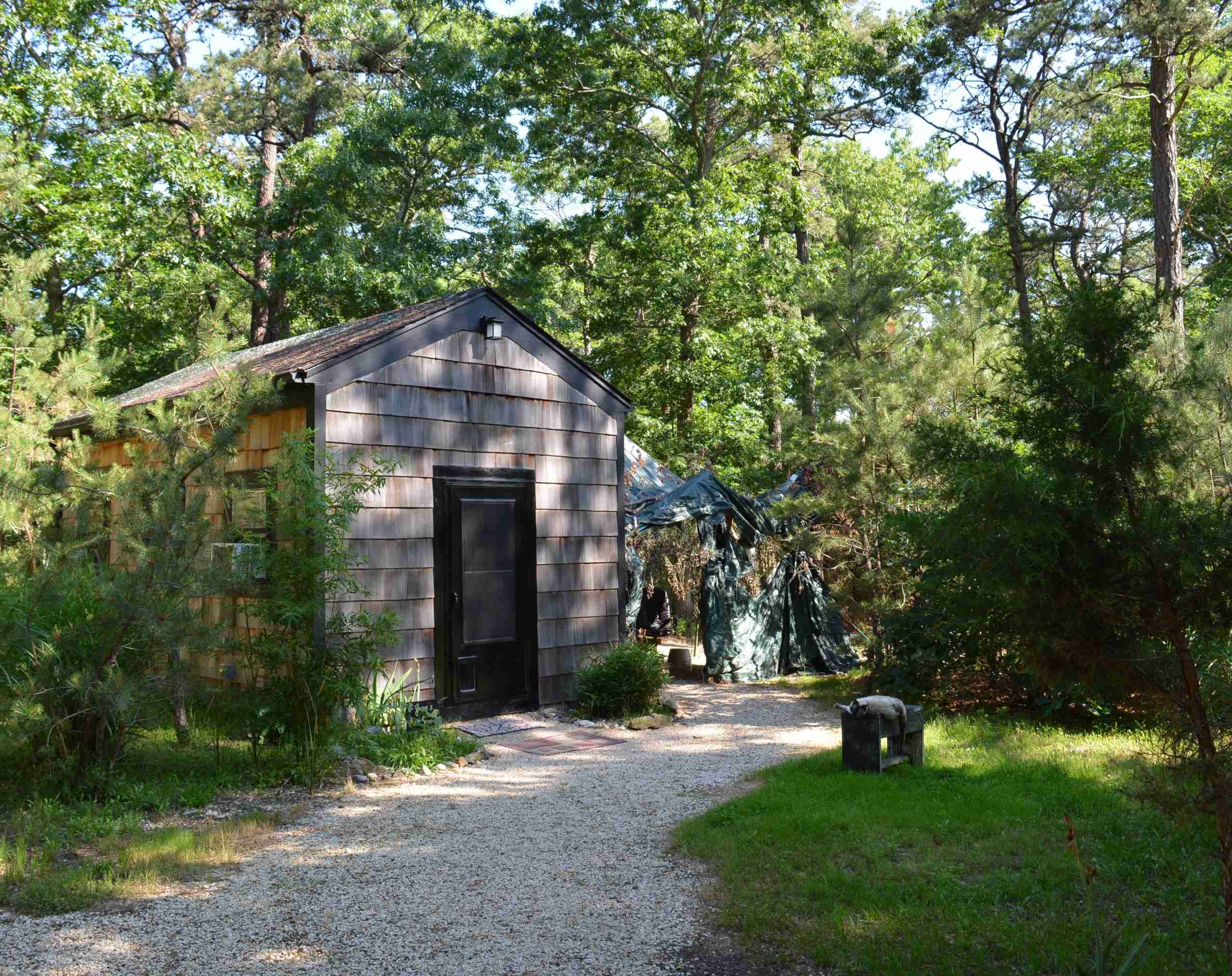
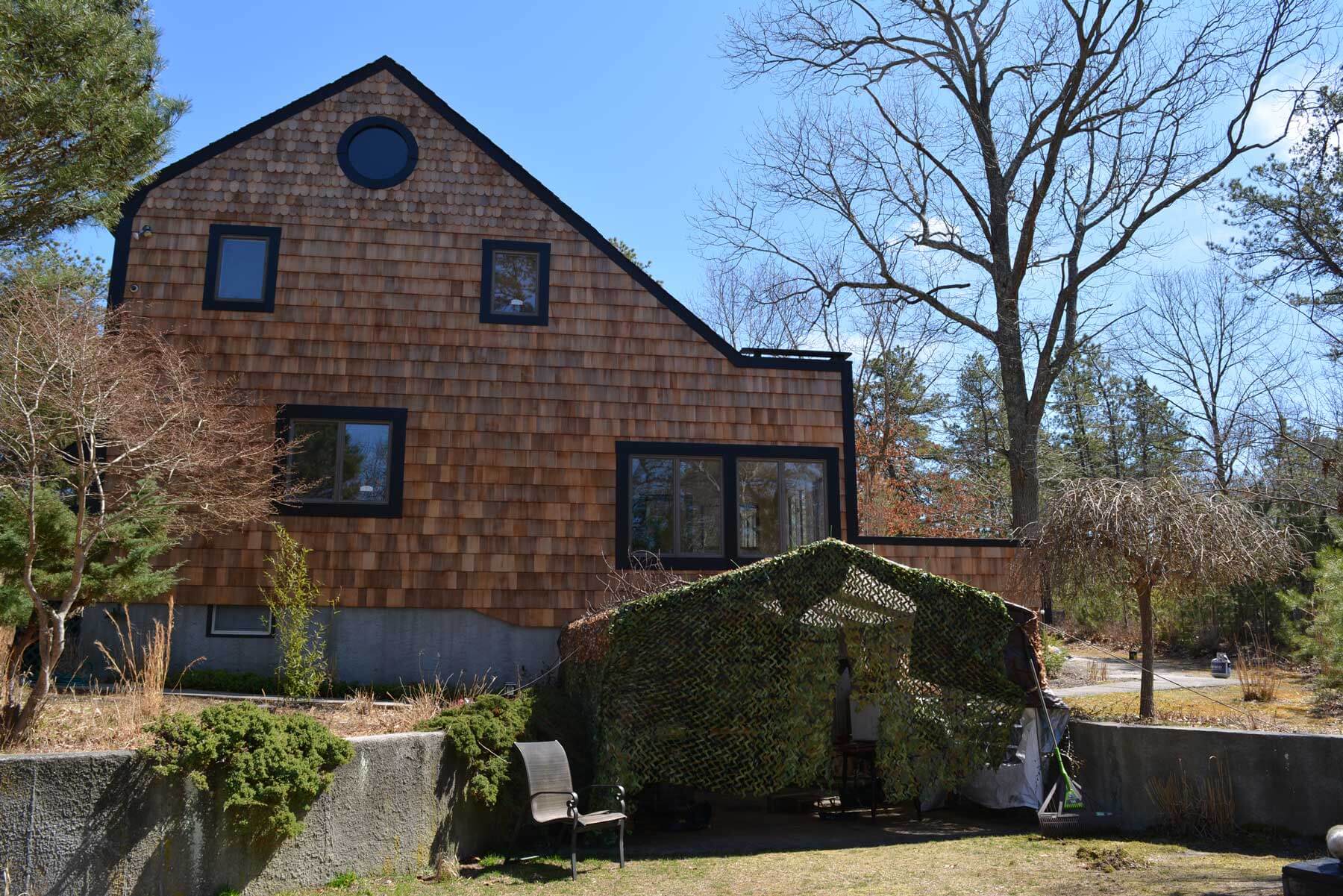
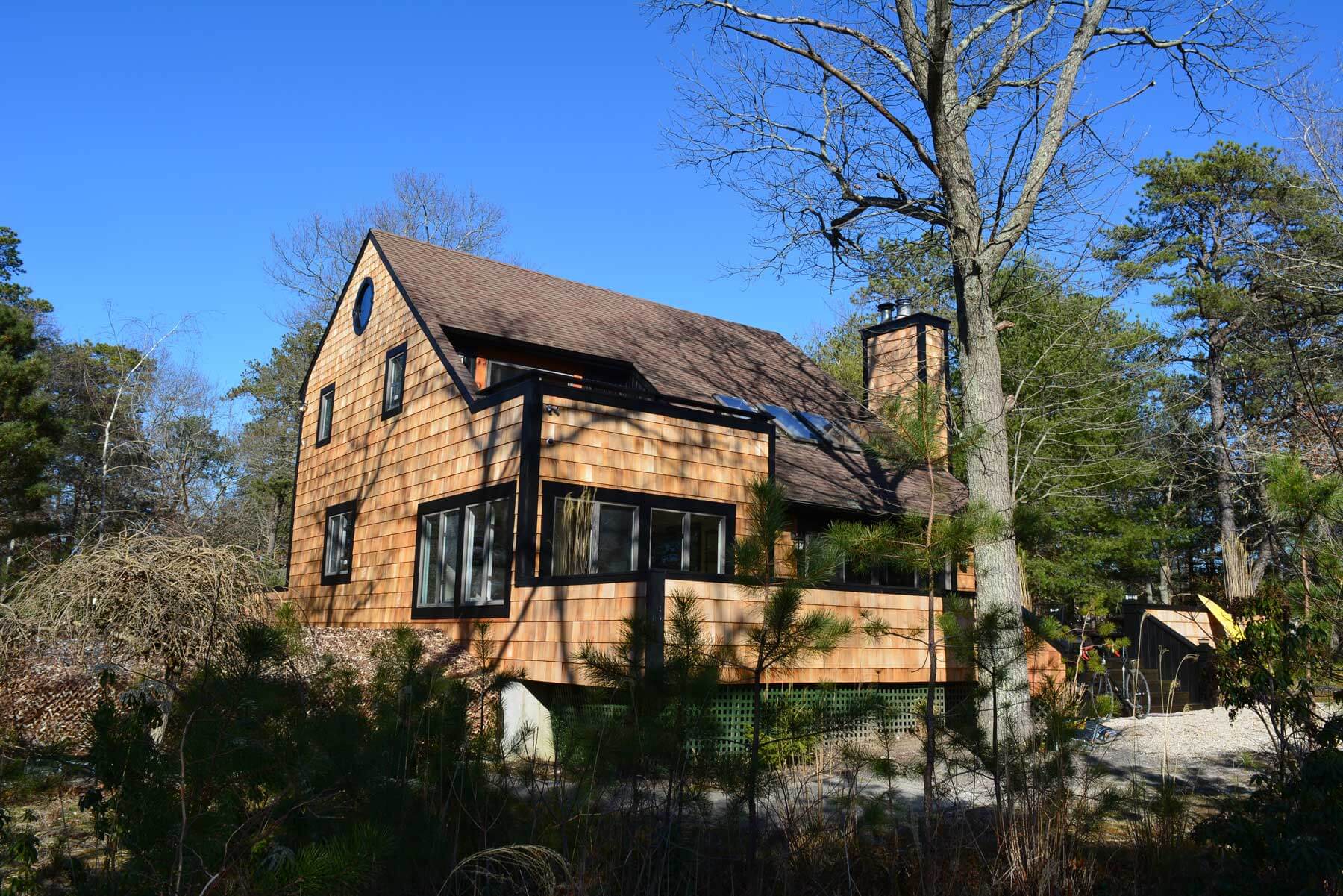
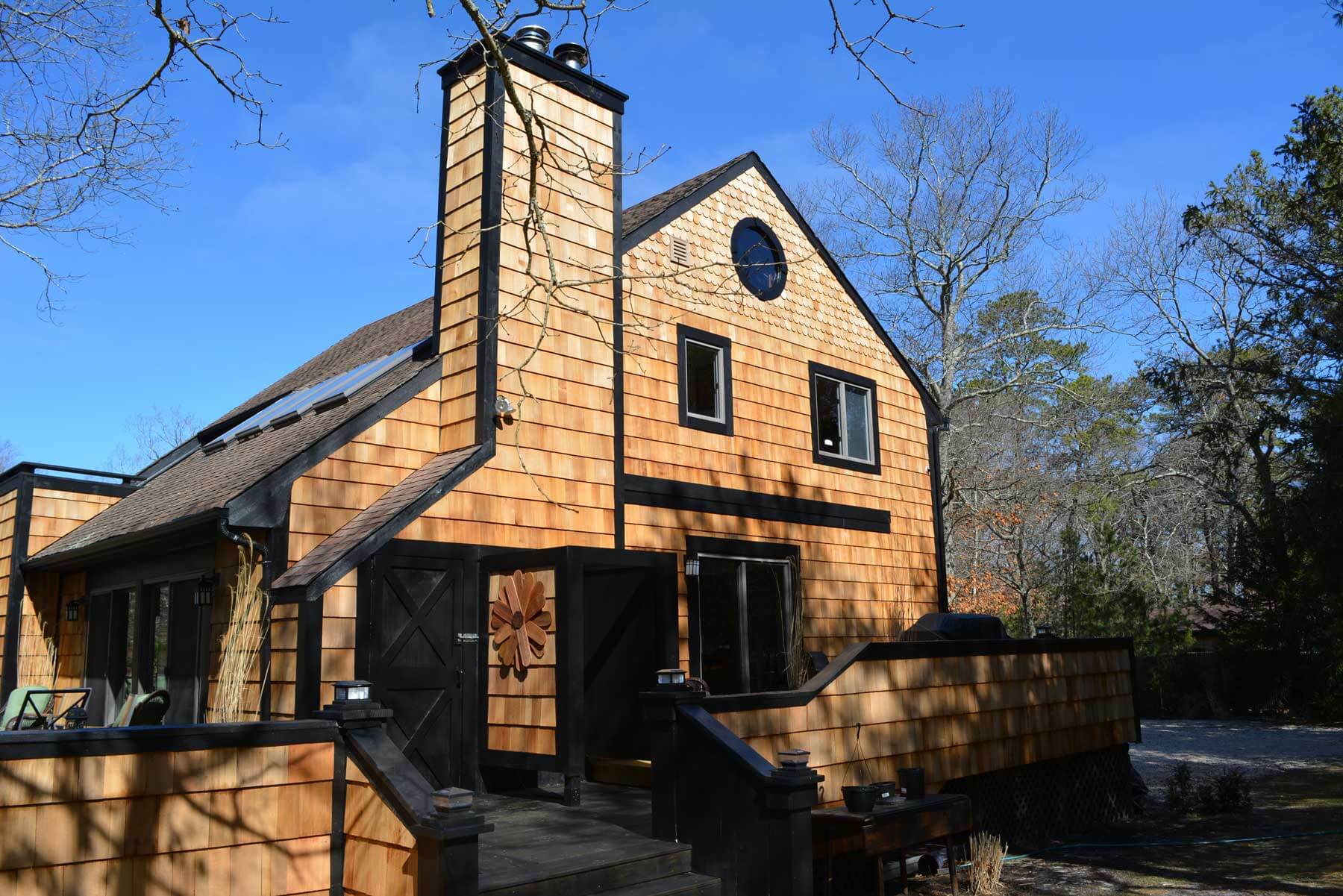
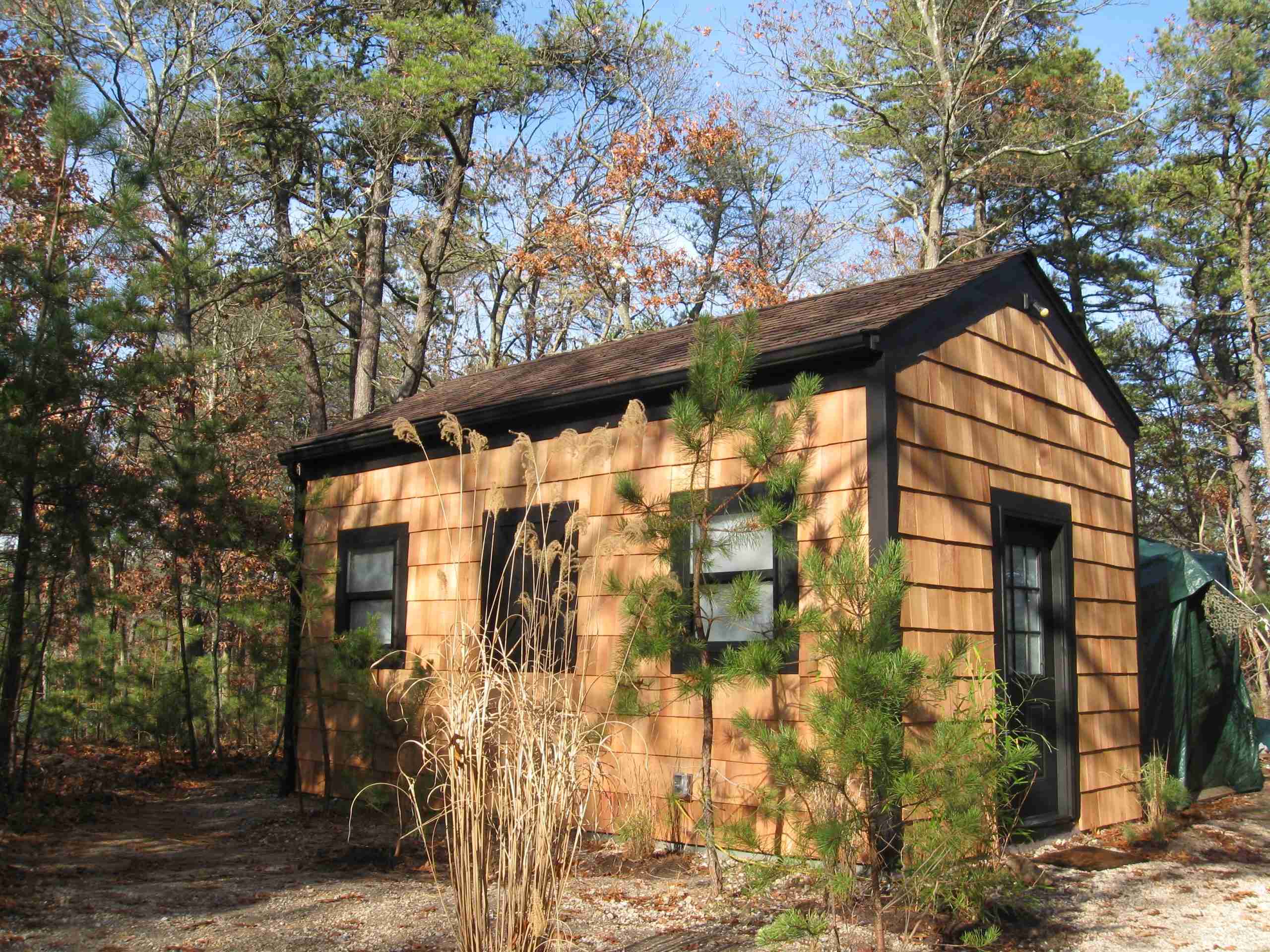
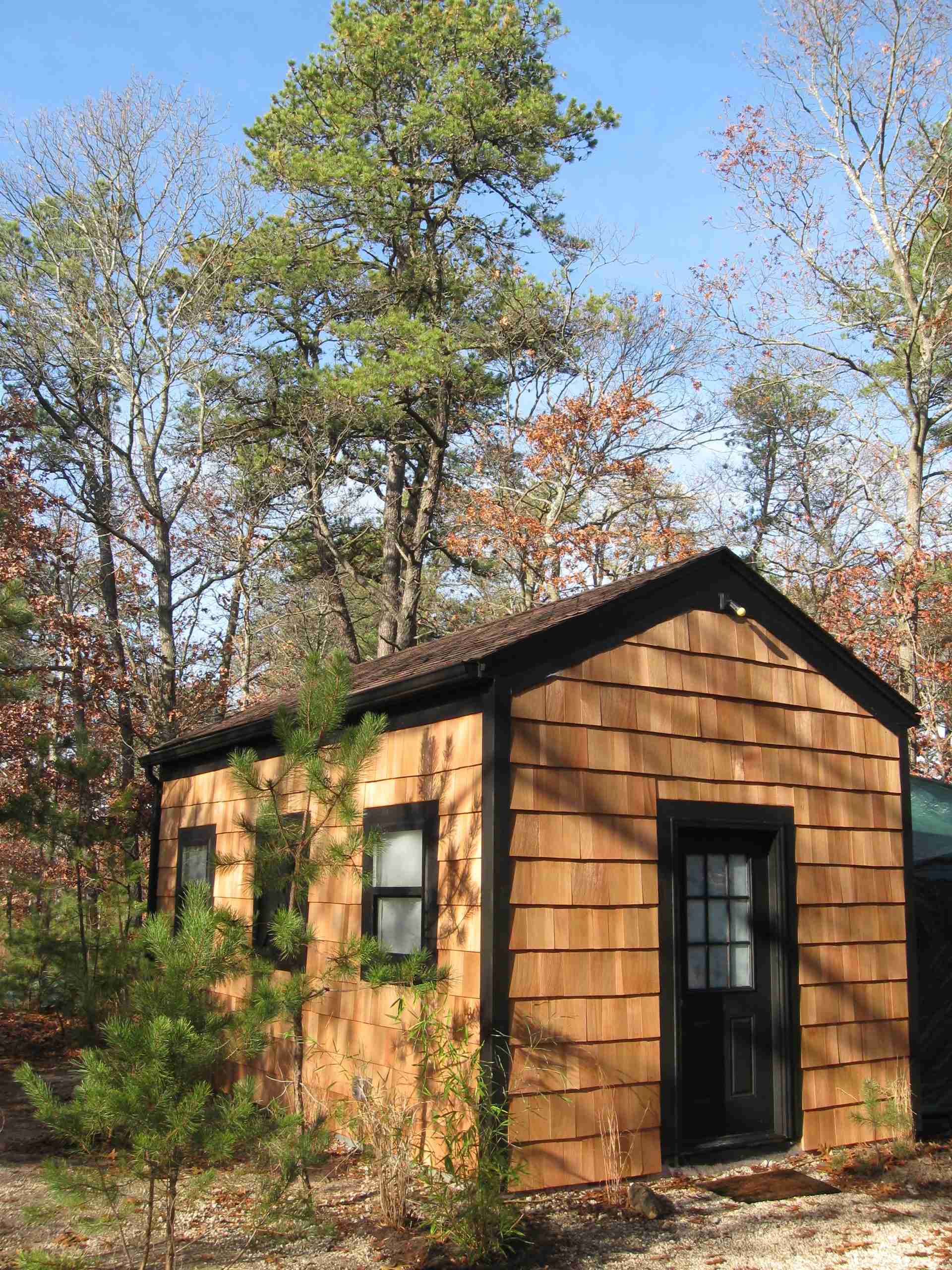
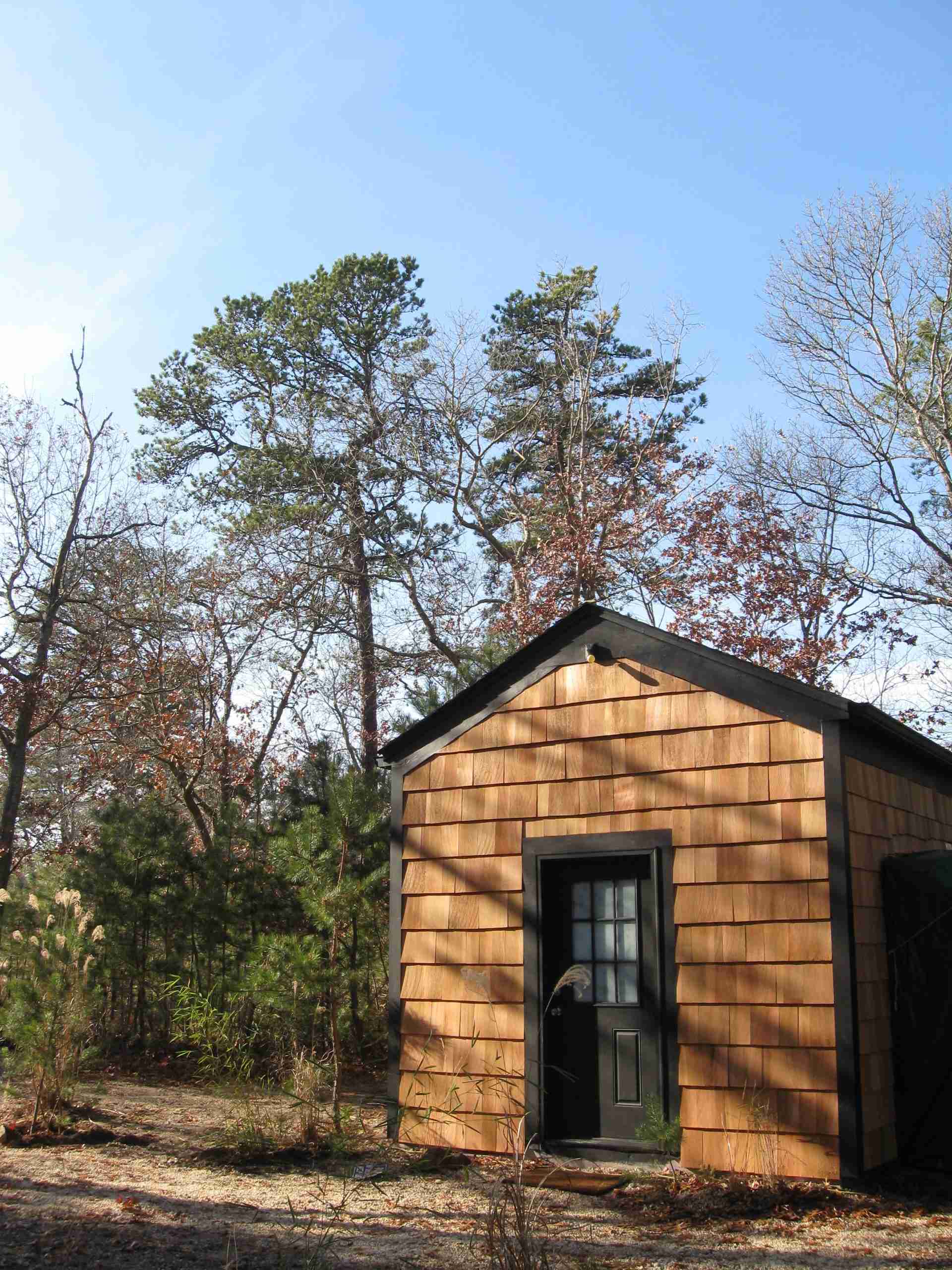
In 2014 Compost Art Center started two new projects. Eagles Nest in Southampton, NY-a 20-acre compound that we’re currently offering as a rental or residency the cabin to aritsts/writers and IT professional, Please contact Compost for more information.

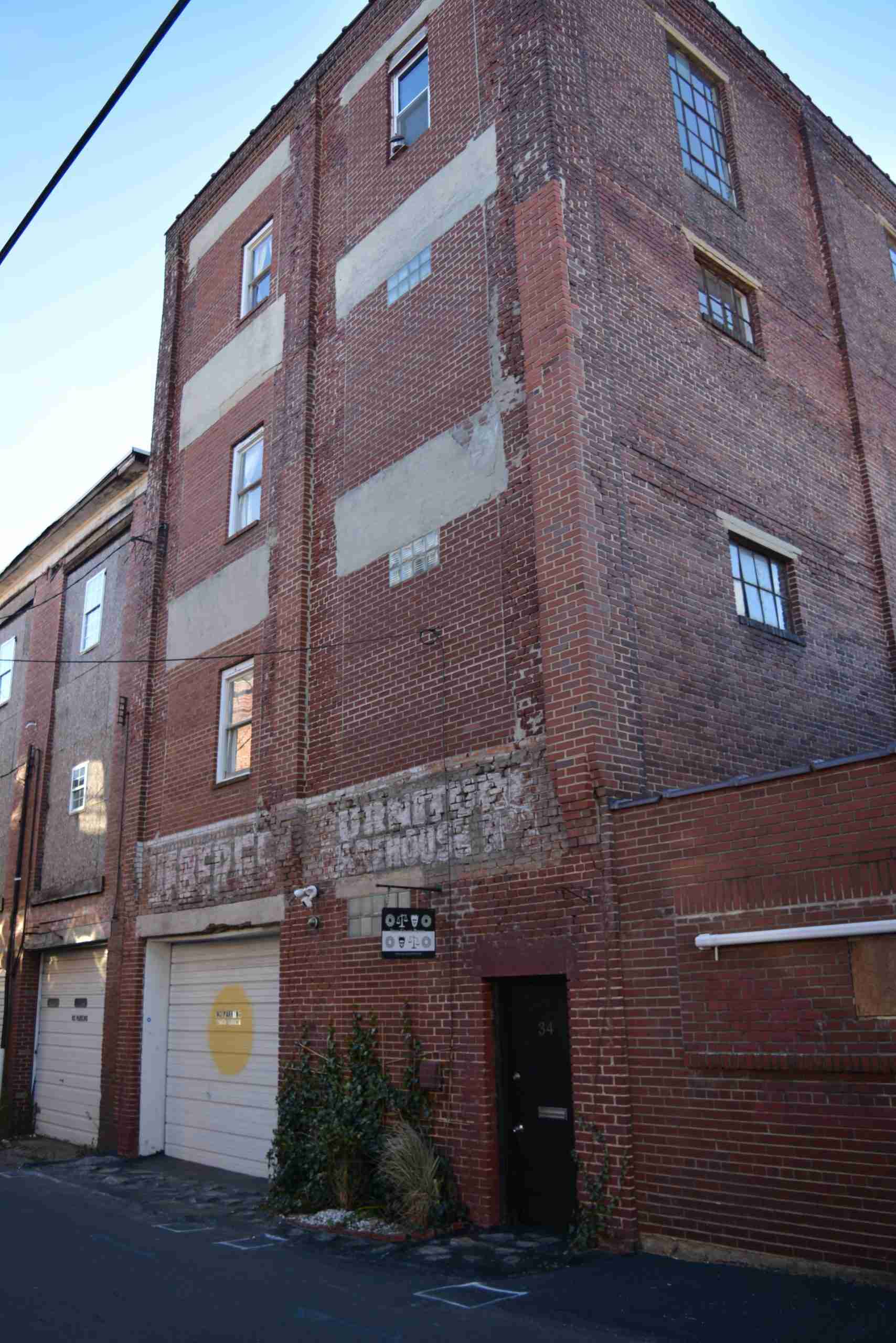
Another successful Compost story with American Main Street real estate and American poverty. The build-out in Pennsylvania coal-country Appalachia and/or Pennstucky took 5 years and then in 2022 the building was sold to a local (Catawissa) musician and artist who works in NYC as a Production Manager.            

Besides being the new owner of one of the finest buildings in Shendoh (local name) the new owner plans on creating future art businesses that will help downtown Pennsylvania grow in a positive, artistic, and regenerative manner.

2021 ♦

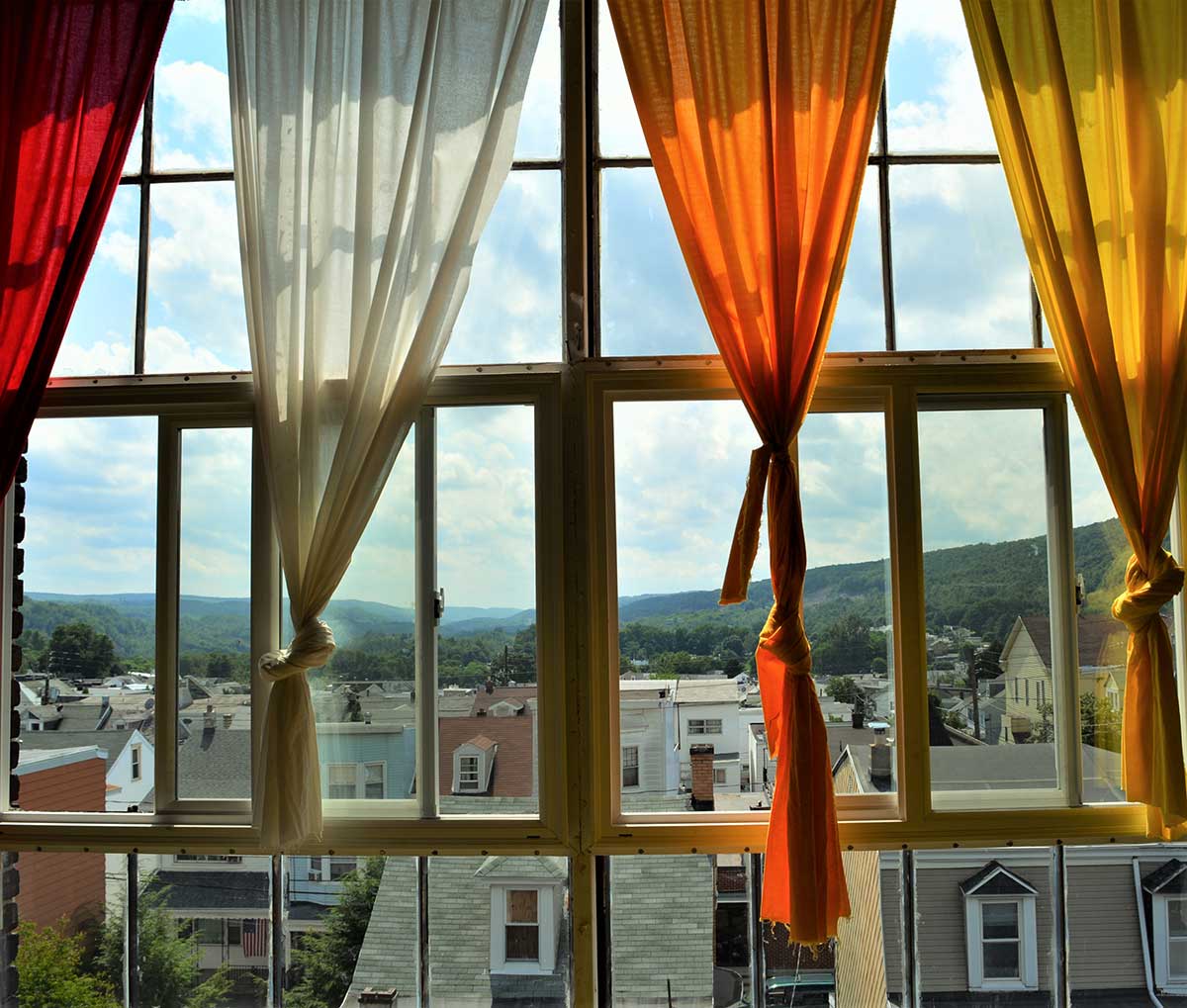
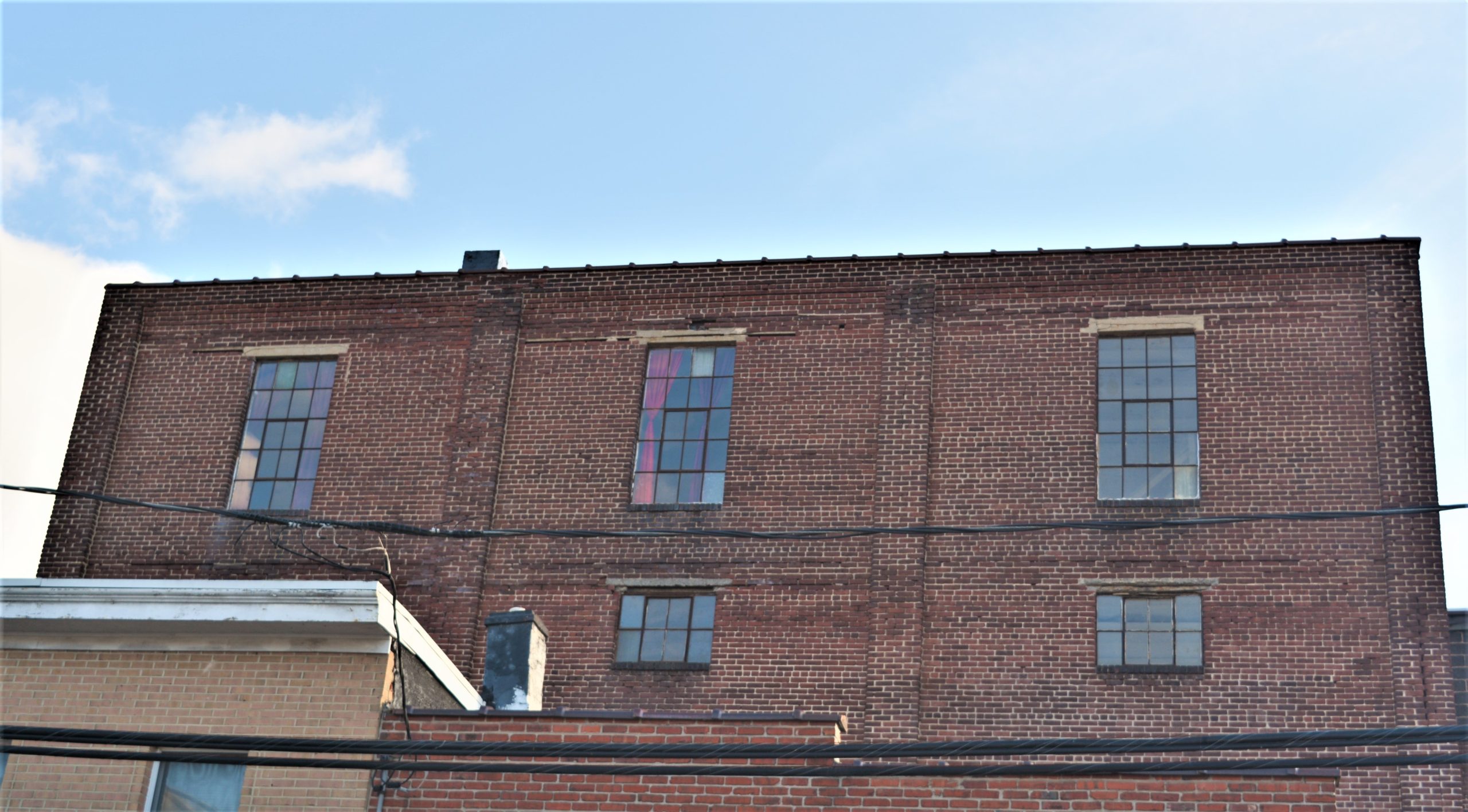
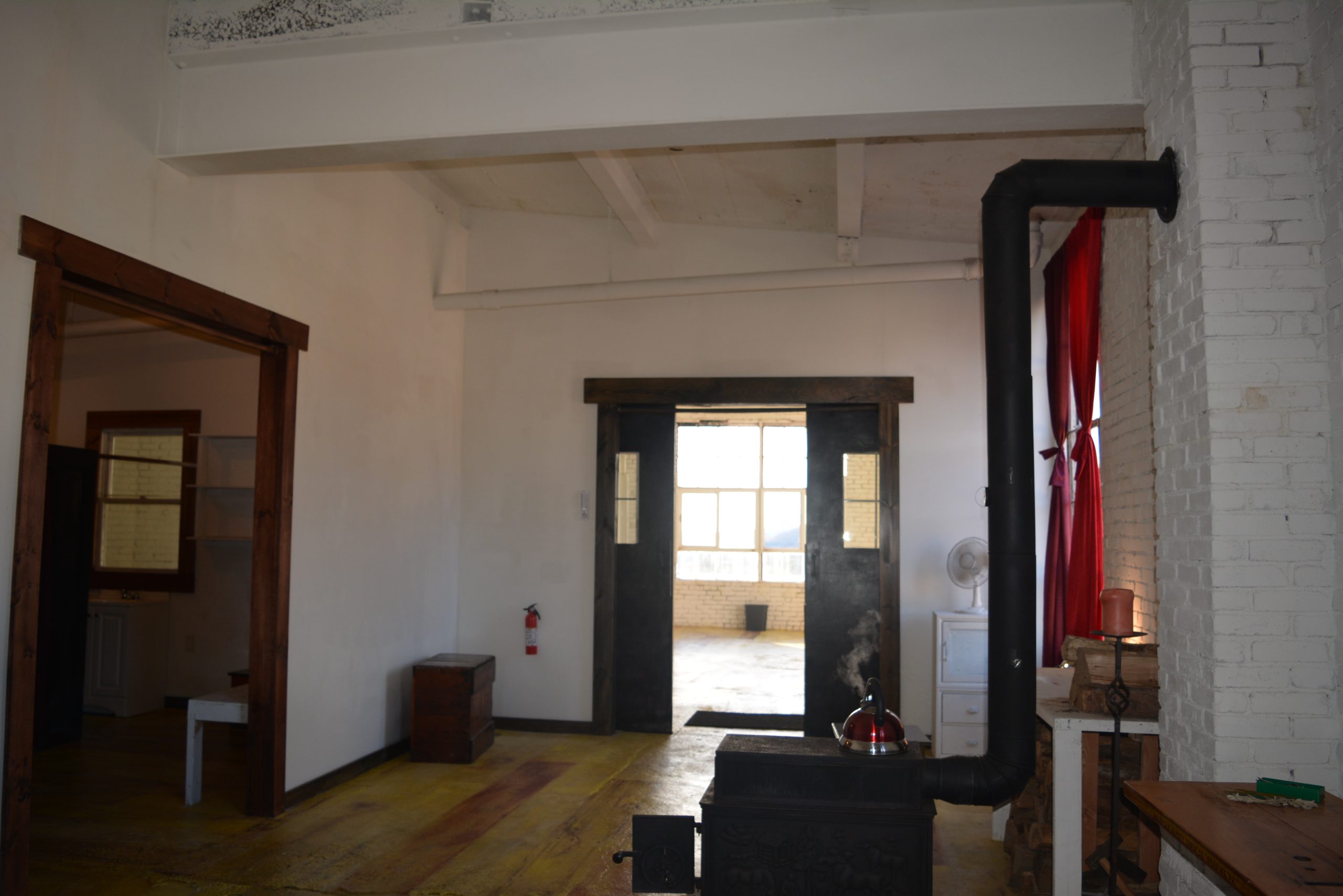
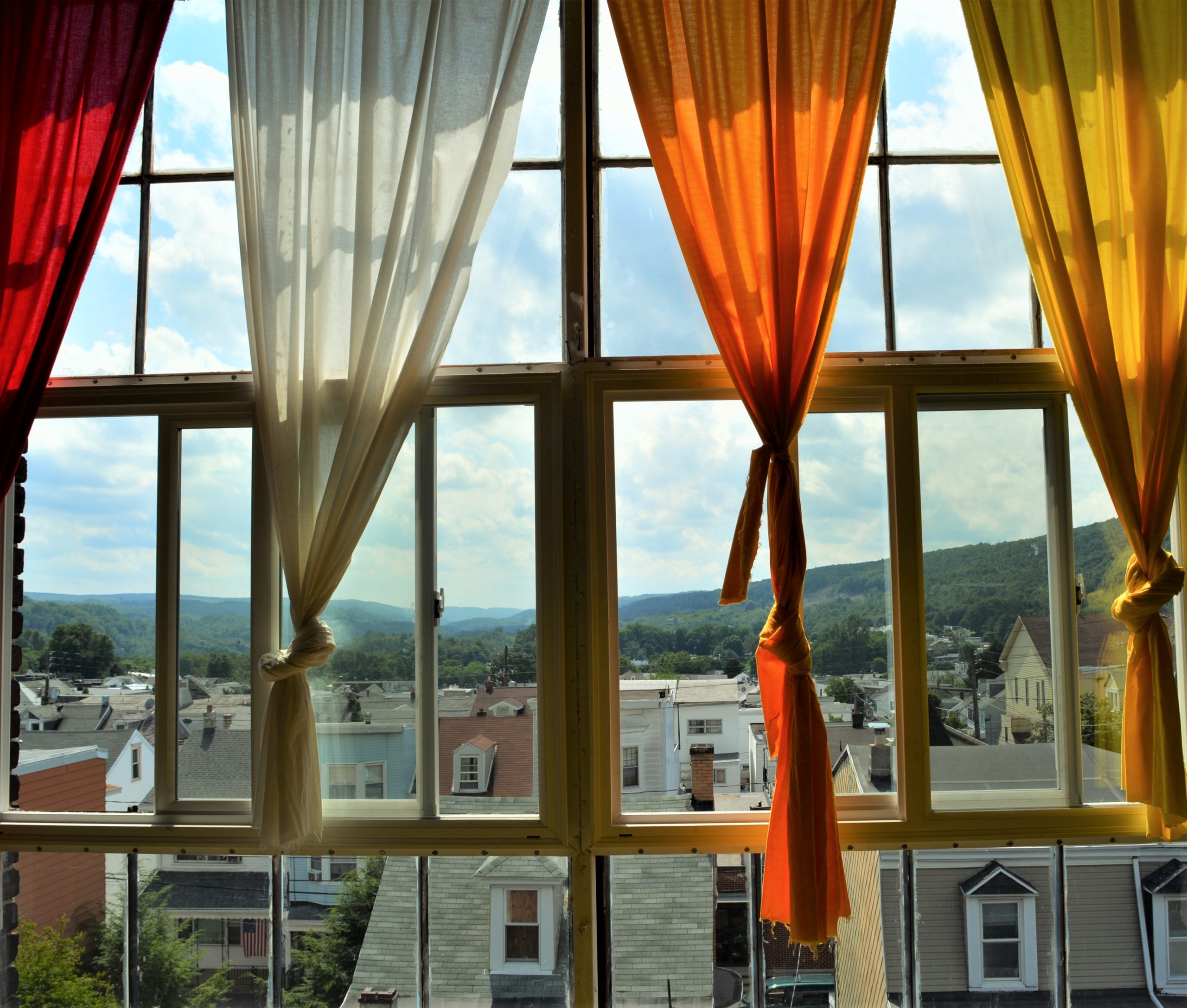
And in 2021 Compost Art Center finished renovation of a 7200 sf brick and steel Federal building, just off Main Street, in a small Pennsylvanian coal-country town. The building is available for sale, rent, or a residency. Please contact Compost for more information.

2022 ♦

2024 ♦

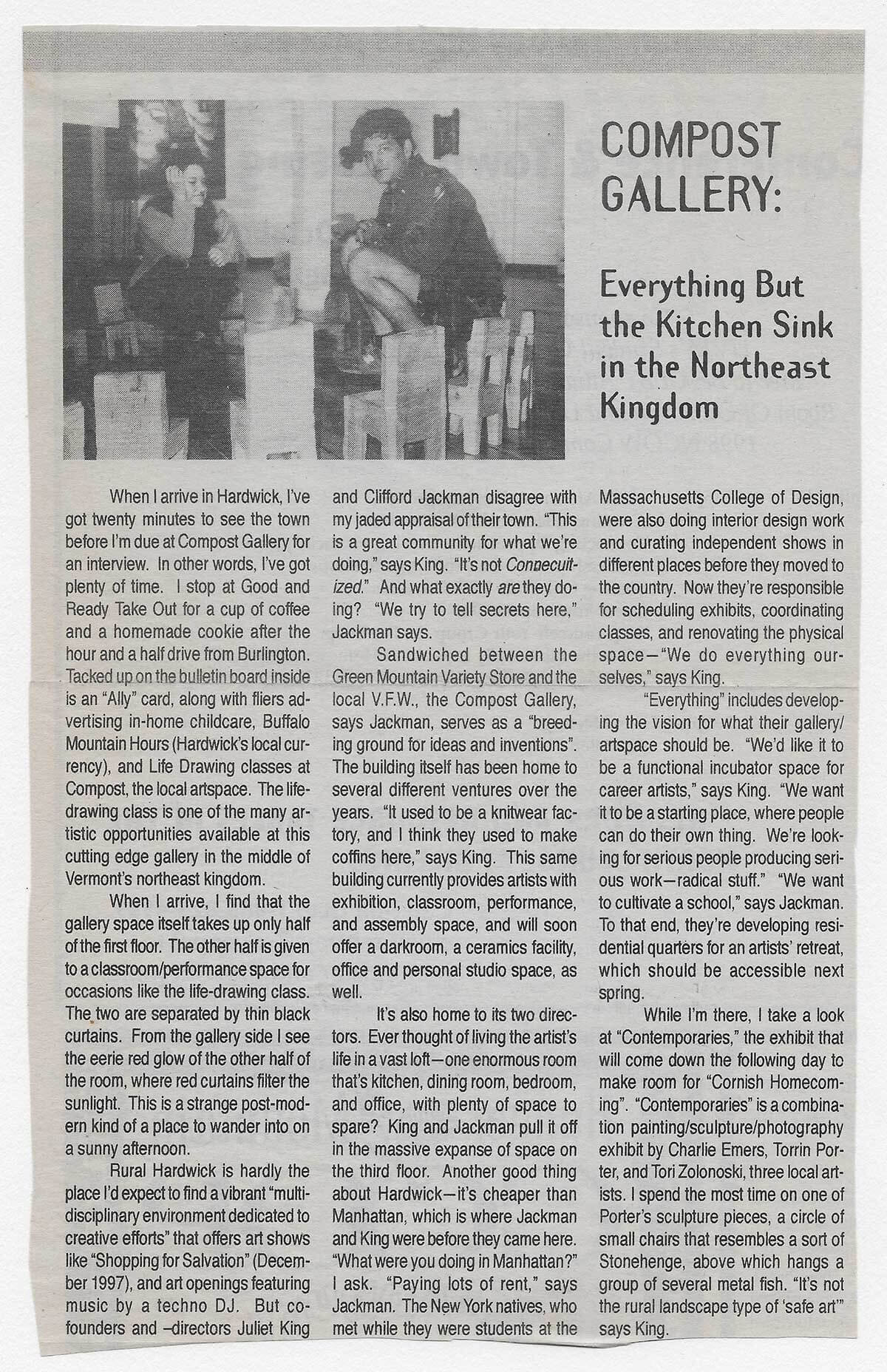
Compost Gallery: Everything but the Kitchen Sink in the Northeast Kingdom

When I arrive in Hardwick, I’ve got twenty minutes to see the town before I’m due at Compost Gallery for an interview. In other words, I’ve got plenty of time. I stop at Good and Ready Take Out for a cup of coffee and a homemade cookie after the hour and a half drive from Burlington. Tacked up on the bulletin board inside is an “Ally” card, along with fliers advertising in-home childcare, Buffalo Mountain Hours (Hardwick’s local currency), and Lite Drawing classes at Compost, the local artspace. The life-drawing class is one of the many artistic opportunities available at this cutting-edge gallery in the middle of Vermont’s northeast kingdom.

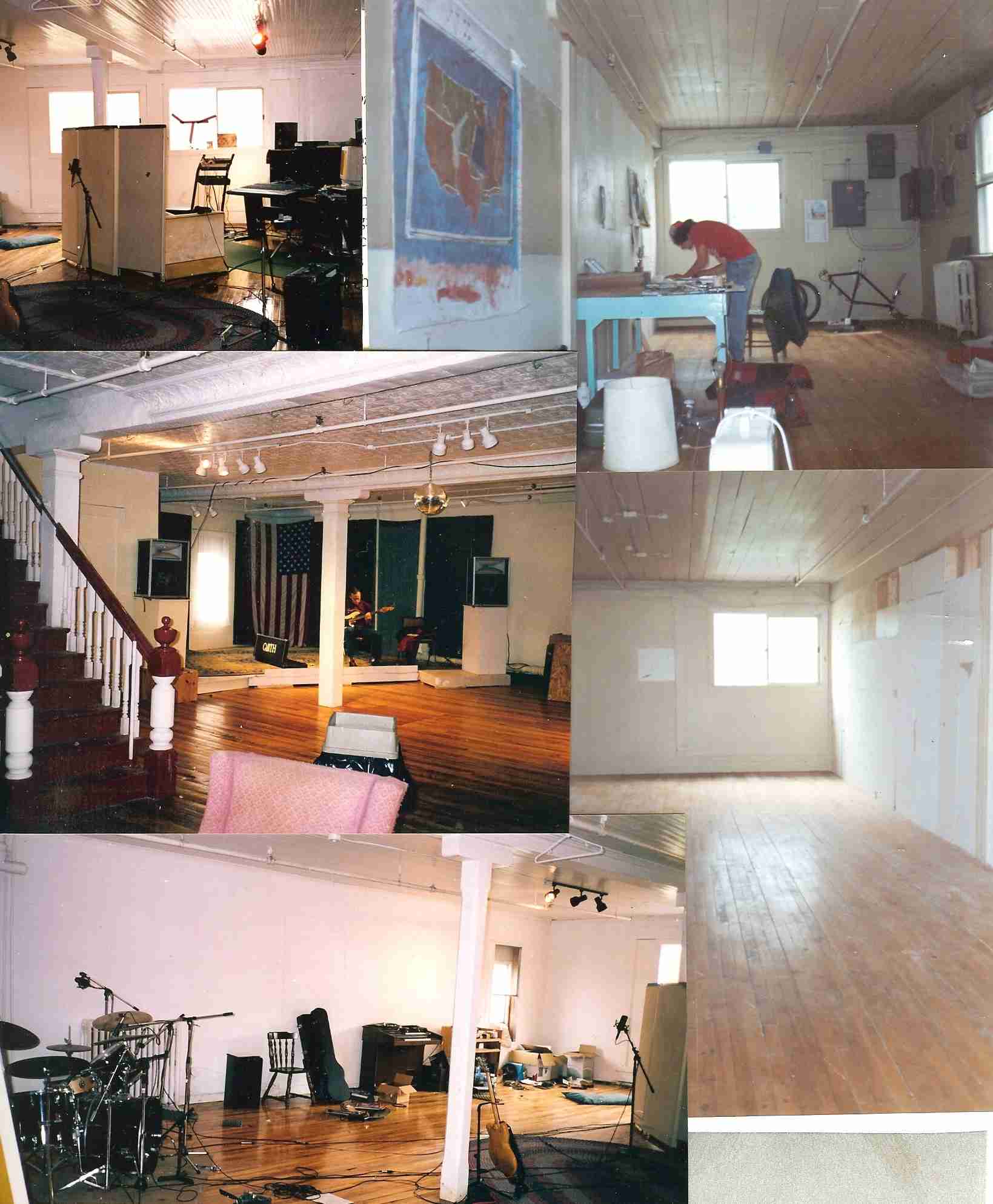
When I arrive, I find that the gallery space itself takes up only half of the first floor. The other half is given to a classroom/performance space for occasions like the life-drawing class. The two are separated by thin black curtains. From the gallery side I see the eerie red glow of the other half of the room, where red curtains filter the sunlight. This is a strange post-modern kind of a place to wander into on a sunny afternoon.

Rural Hardwick is hardly the place I’d expect to find a vibrant “multi-disciplinary environment dedicated to creative efforts” that offers art shows like “Shopping for Salvation” (December 1997), and art openings featuring music by a techno DJ. But co- founders and -directors Juliet King and Clifford Jackman disagree with my jaded appraisal of their town. This is a great community for what we’re doing,’ says King. “It’s not Connecuitized.” And what exactly are they doing? “We try to tell secrets here.” Jackman says.

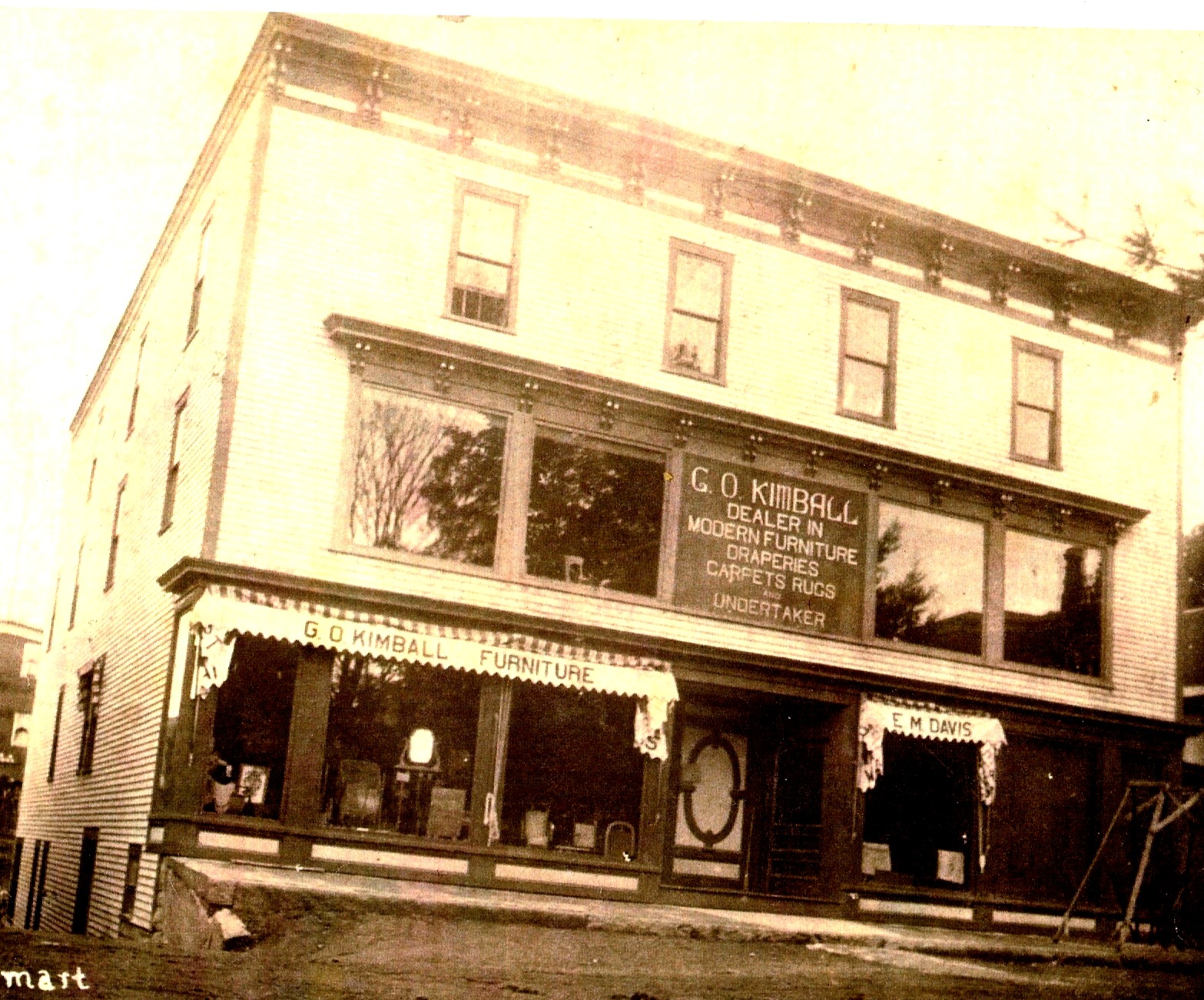
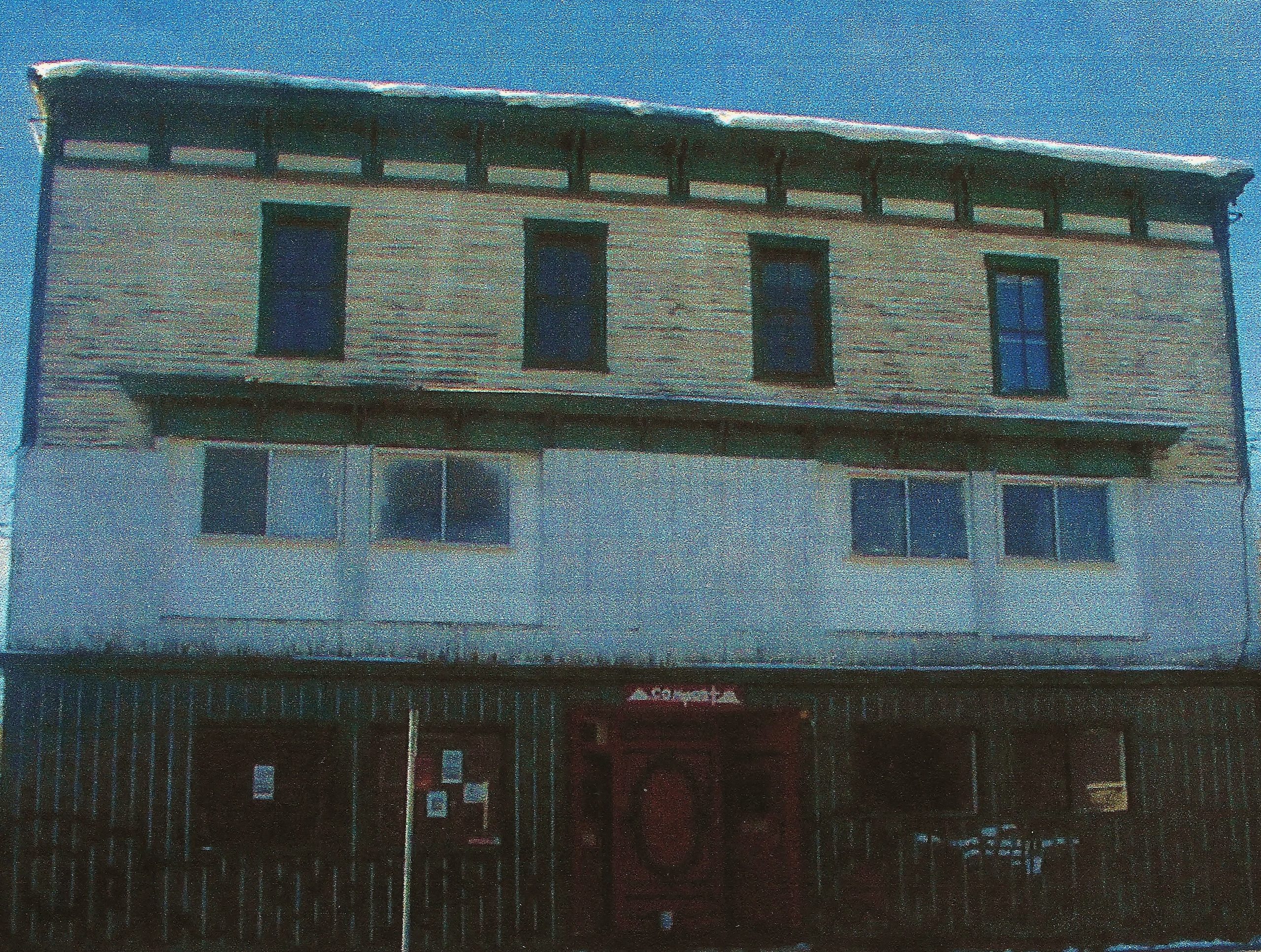
Sandwiched between the Green Mountain Variety Store and the local V.F.W., the Compost Gallery, says Jackman, serves as a “breeding ground for ideas and inventions The building itself has been home to several different ventures over the years. “It used to be a knitwear fac- tory, and I think they used to make coffins here,” says King. This same building currently provides artists with exhibition, classroom, performance, and assembly space, and will soon offer a darkroom, a ceramics facility, office and personal studio space, as well.

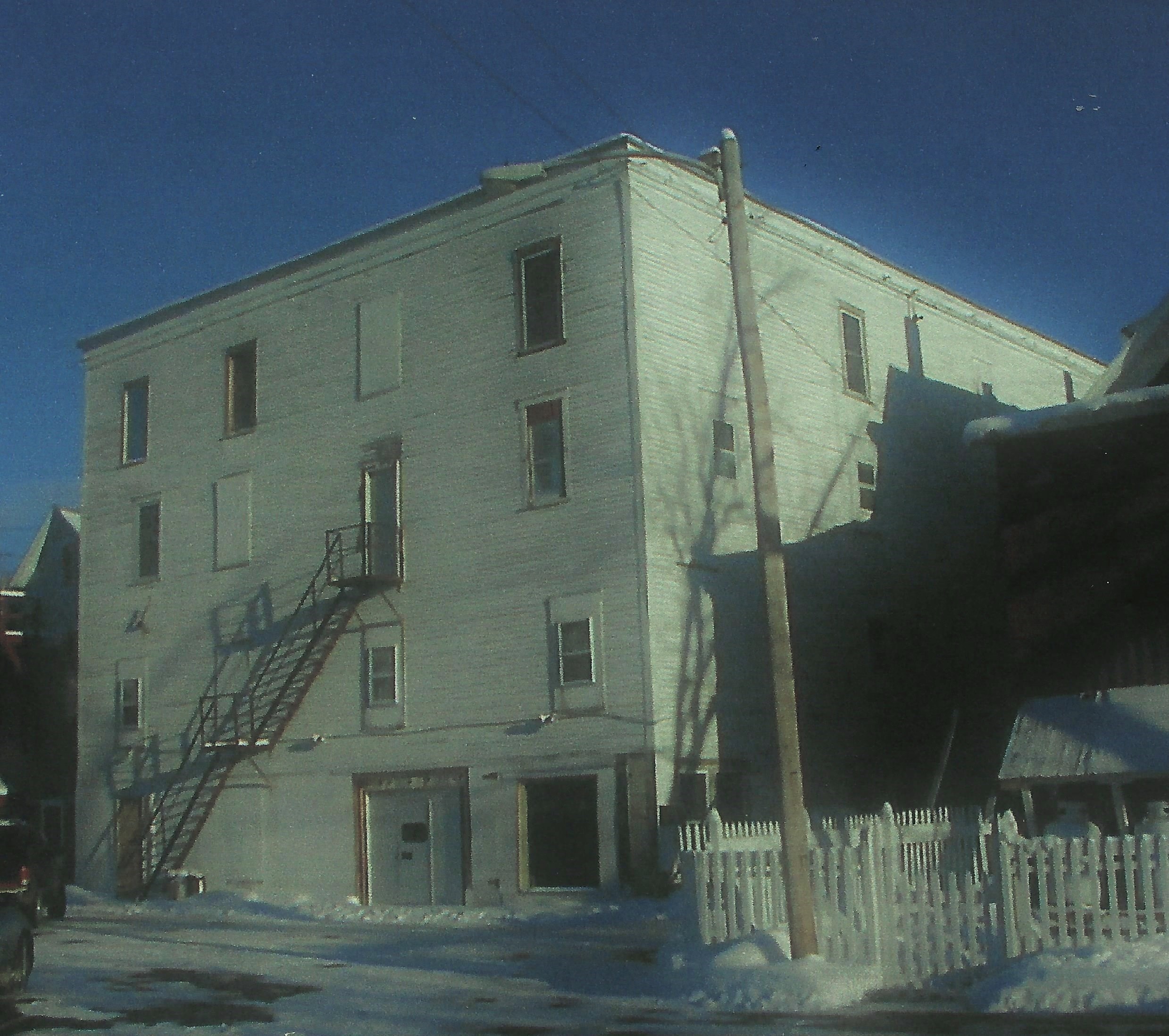
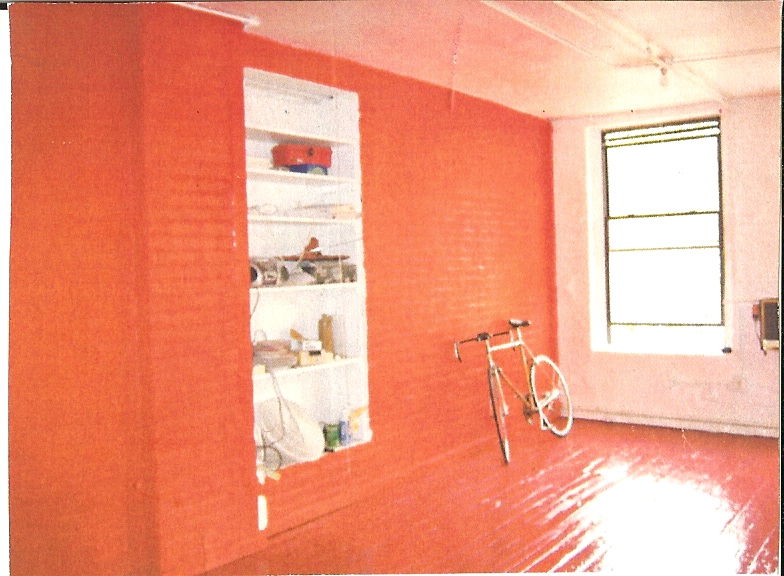
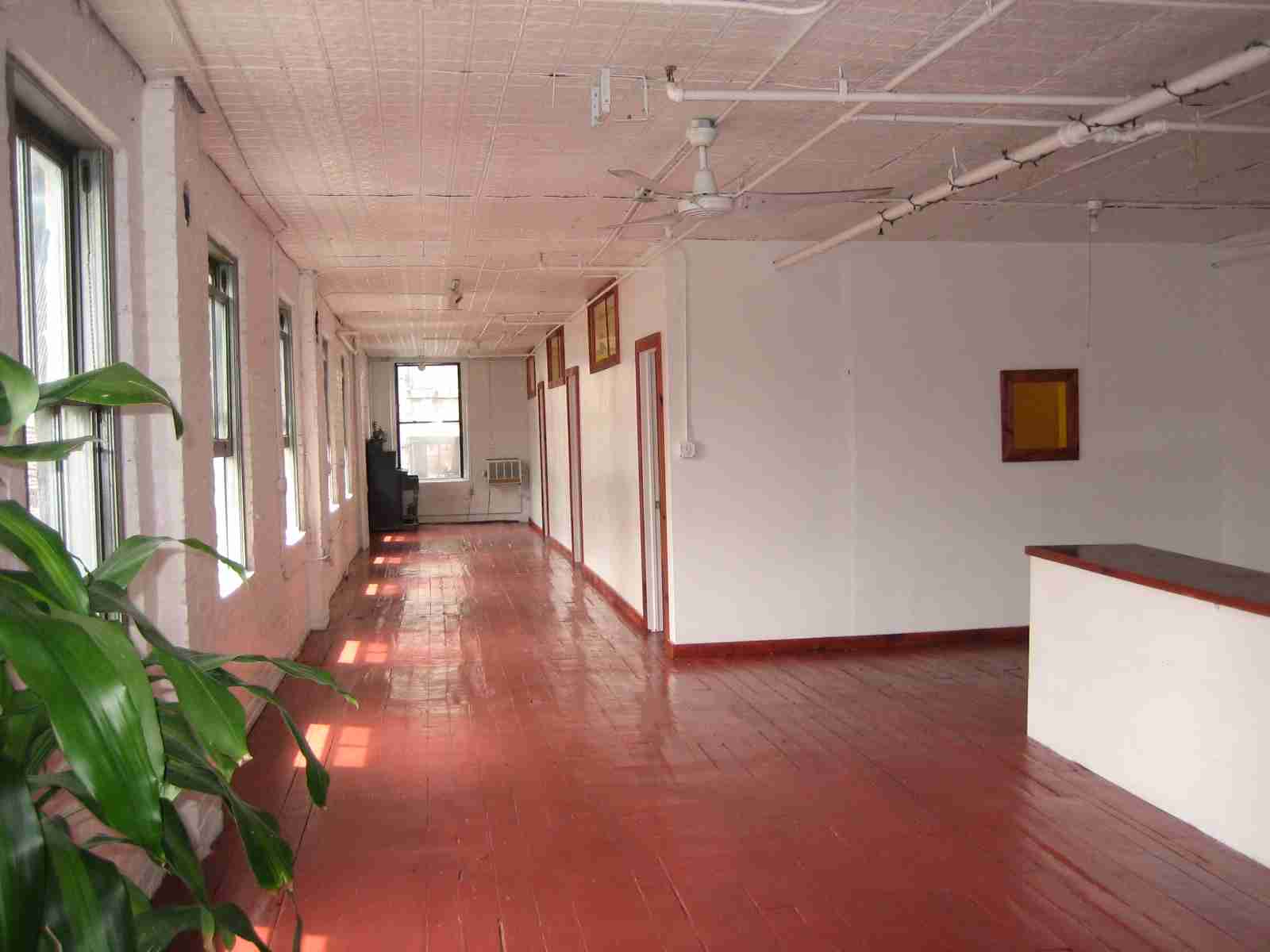
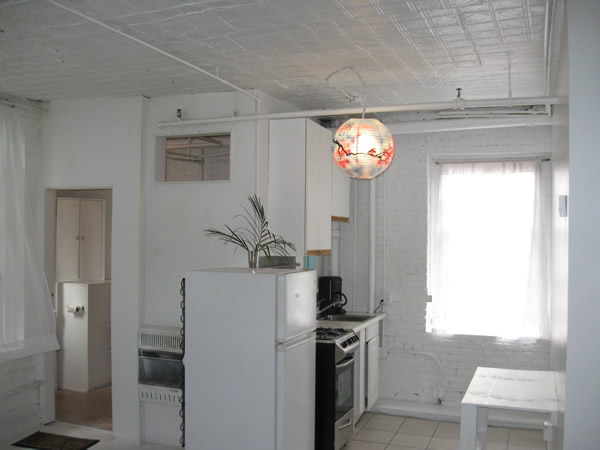
It’s also home to its two directors. Ever thought of living the artist’s life in a vast loft -one enormous room that’s kitchen, dining room, bedroom, and office, with plenty of space to spare? King and Jackman pull it off in the massive expanse of space on the third floor. Another good thing about Hardwick-it’s cheaper than Manhattan, which is where Jackman and King were before they came here. “What were you doing in Manhattan?” I ask. “Paying lots of rent,” says Jackman. The New York natives, who met while they were students at the Massachusetts College of Design, were also doing interior design work and curating independent shows in different places before they moved to the country. Now they’re responsible for scheduling exhibits, coordinating classes, and renovating the physical space—”We do everything ourselves,” says King.

“Everything” includes developing the vision for what their gallery/ artspace should be. “We’d like it to be a functional incubator space for career artists, says King. We want it to be a starting place, where people can do their own thing. We’re looking for serious people producing serious work-radical stuff.” “We want to cultivate a school,” says Jackman. To that end, they’re developing residential quarters for an artists’ retreat, which should be accessible next spring.

While I’m there, I take a look at “Contemporaries,” the exhibit that will come down the following day to make room for “Cornish Homecoming.” “Contemporaries” is a combination painting/sculpture/photography exhibit by Charlie Emers, Torrin Porter, and Tori Zolonoski, three local artists. I spend the most time on one of Porter’s sculpture pieces, a circle of small chairs that resembles a sort of Stonehenge, above which hangs a group of several metal fish. “It’s not the rural landscape type of ‘safe art'” says King. “Cornish Homecoming, the next show (September 18-October 19) sounds intriguing; the gallery is hosting a collection of work from the Cornish family—six siblings who grew up in Hardwick before moving to places as diverse as Tokyo and Sante Fe. The oldest, Daryl Cornish, S.J. is a Jesuit priest who lives and works at St. Louis University. He lost the use of his hands due to Multiple Sclerosis, but his works have been shown in Chicago, and an exhibit is planned for New York. I’ve missed it by a couple days.

Before I head back to B-town, I have one last question: “Why Compost?” I ask. “Where’d you get the name?” King tells me, “It’s about re- using raw materials, like these abandoned old buildings. Nobody wanted them. Jackman gets more philosophical. “The arts are at the bottom of the barrel right now,” he says. I’m not sure if he’s referring to the recent national obsession with salacious details, or to the constant barrage of junk that comprises our American consumer culture, but I think I know what he means. “It’ll come back, though, and we’re going to keep the soil warm up here by doing good shows and good work ourselves.”

If you go: Leaf peeper season is upon us, and it’s a beautiful drive from wherever you are. The exhibit is “Cornish Homecoming” runs until Oct. 19th. After that is “The Unexamined Life”, an open calling show, which runs from Saturday Oct. 24t through Monday December 7′. While you’re up there, check out the Galaxie Bookstore, get some quick food at Good and Ready Take Out, or sit for a spell at “The Parlor”, located opposite the take out place, where the signs say you can “read the paper or a book. have conversation…eat a meal…or use the public restroom.”

Call Compost at (802) 472-9613 for more information about shows, or classes, or artist in residence programs.


Out in the Mountains, September 1998