






by Claire Fern
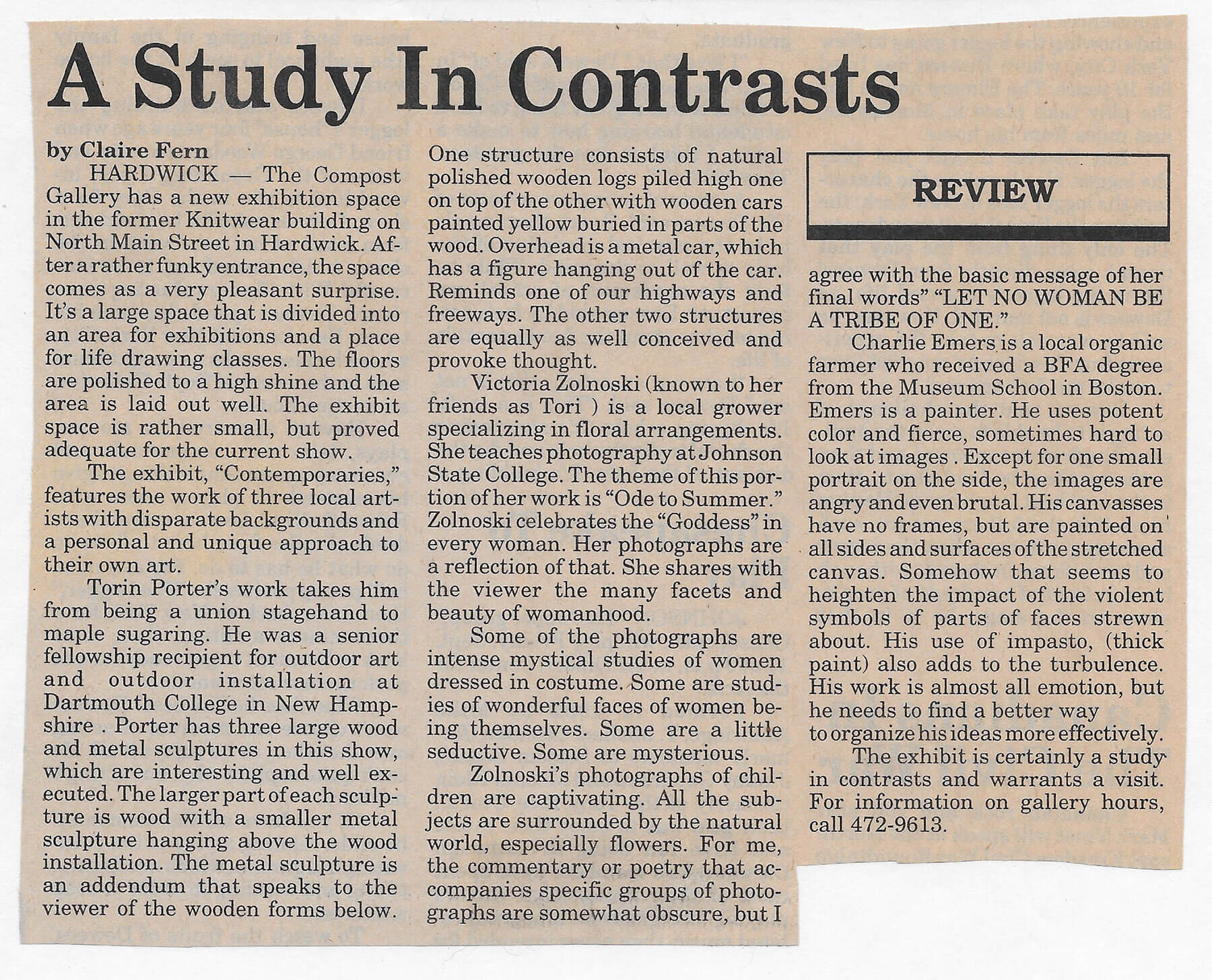
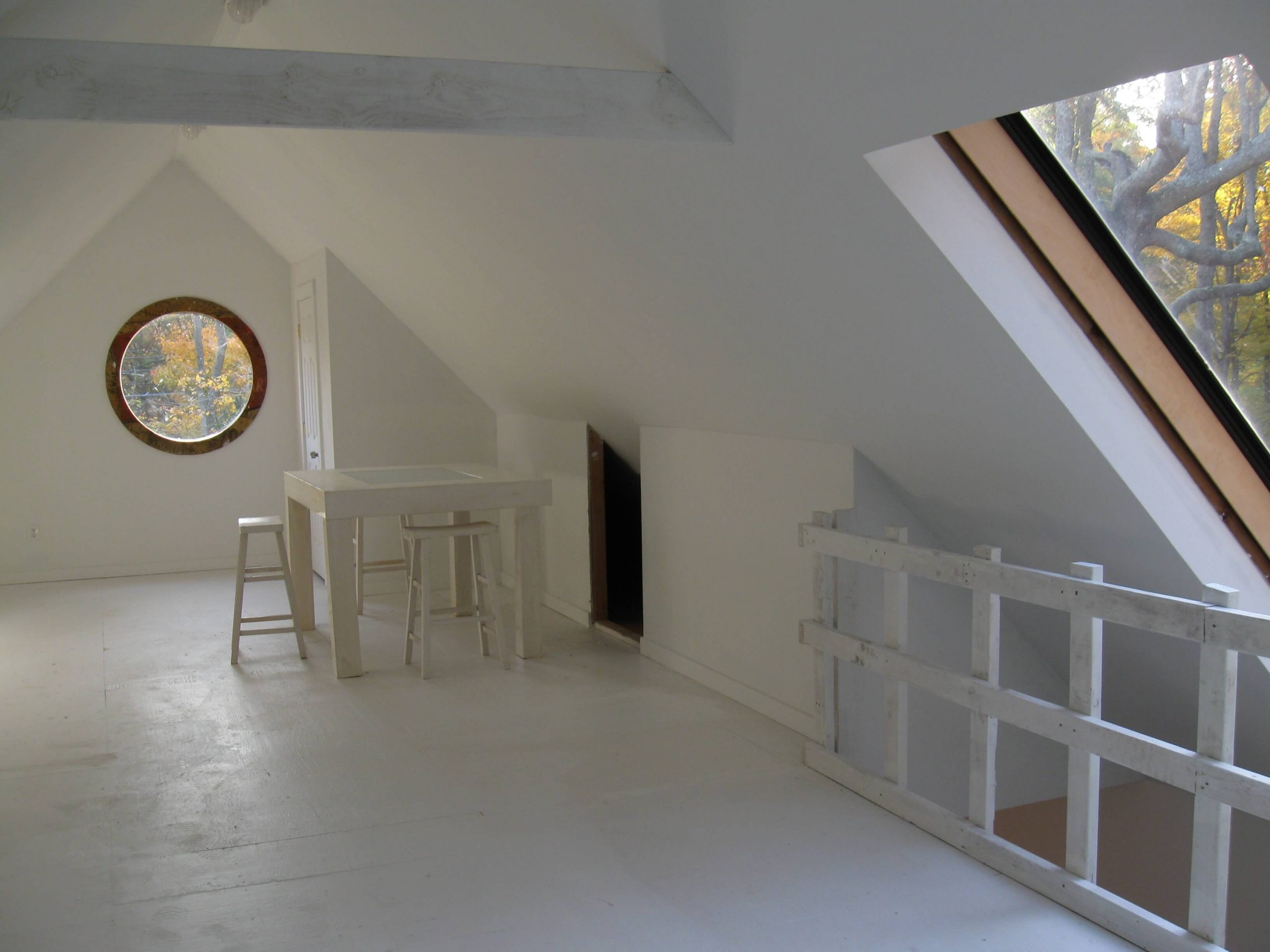
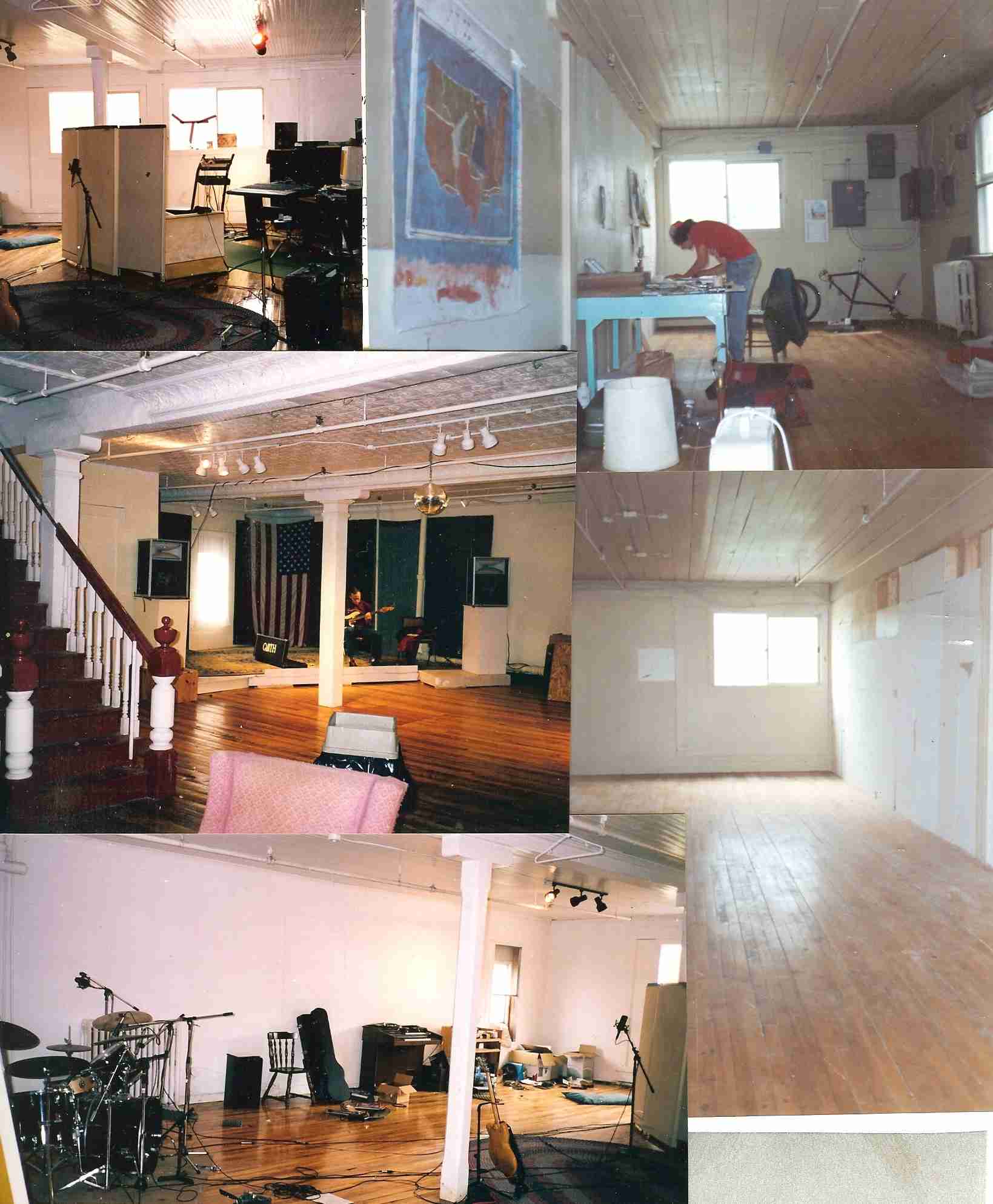
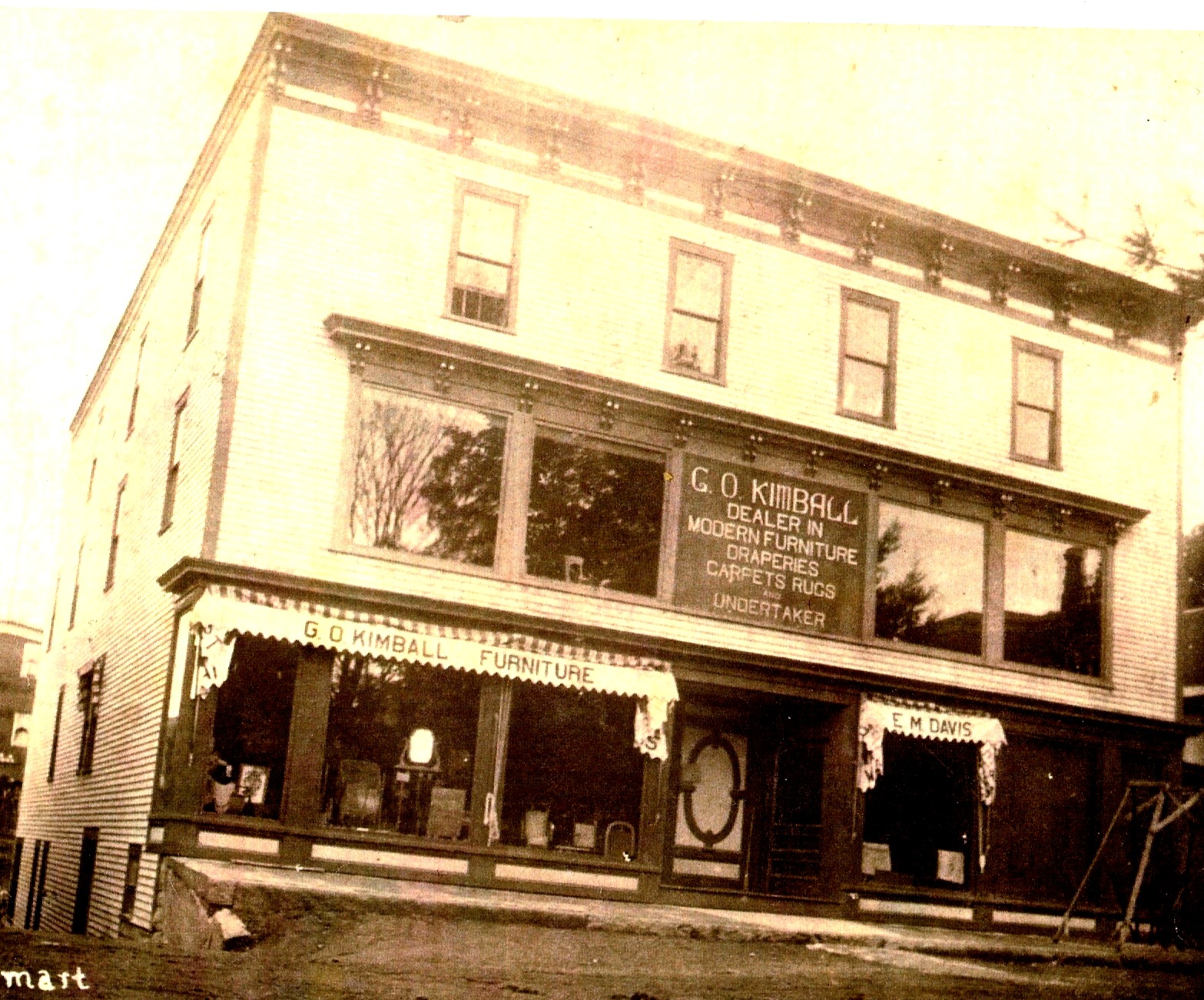
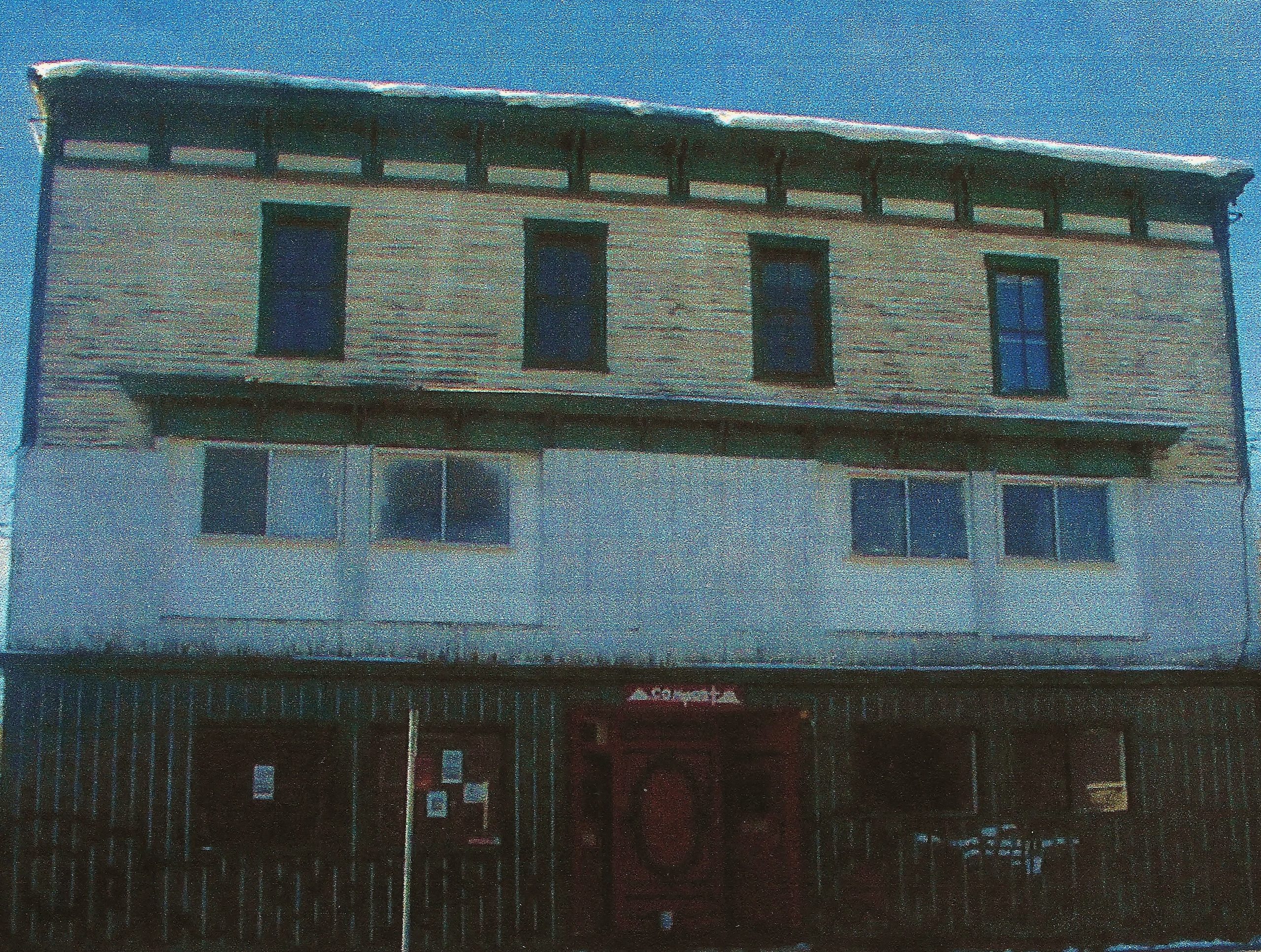
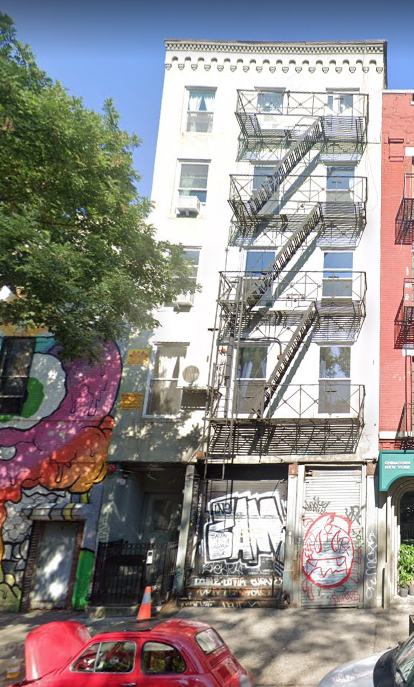
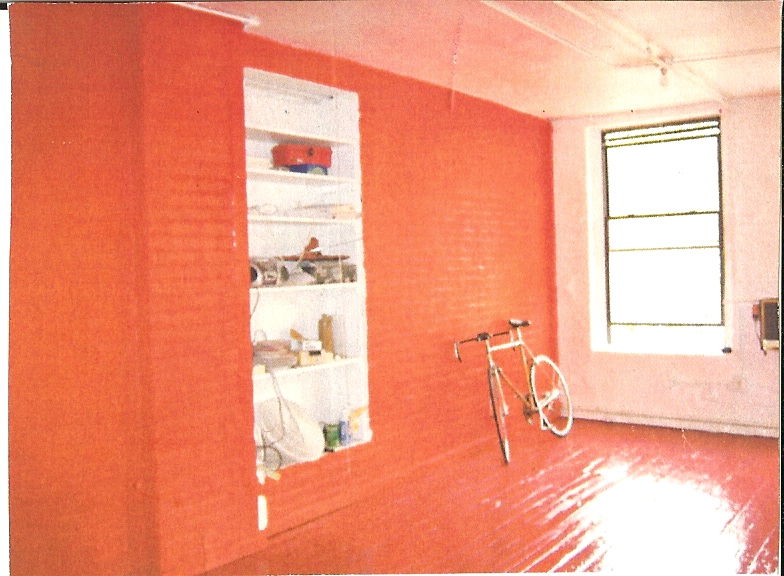
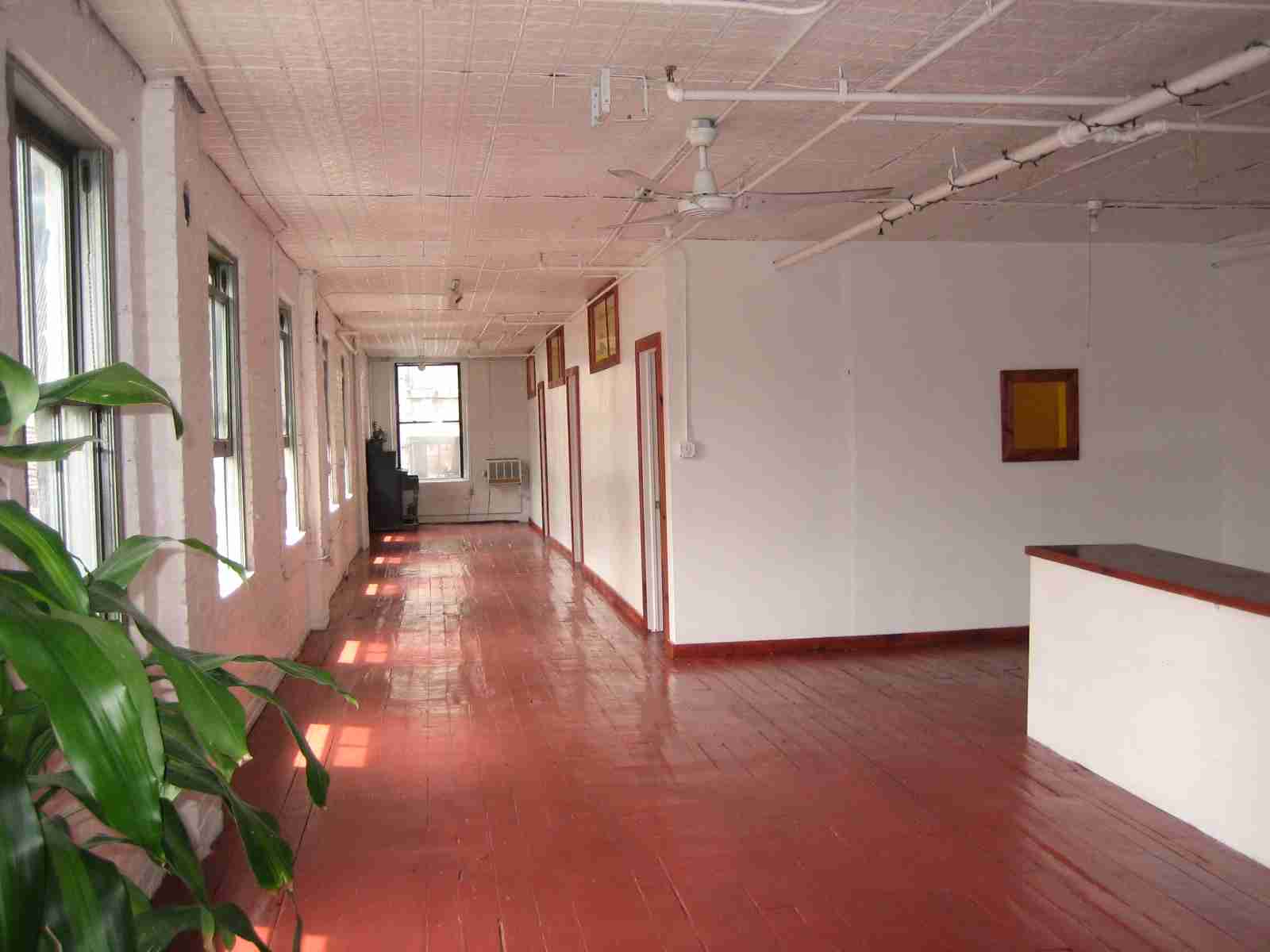
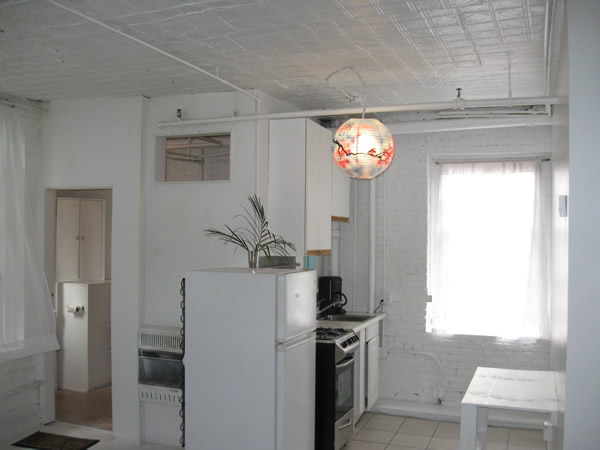
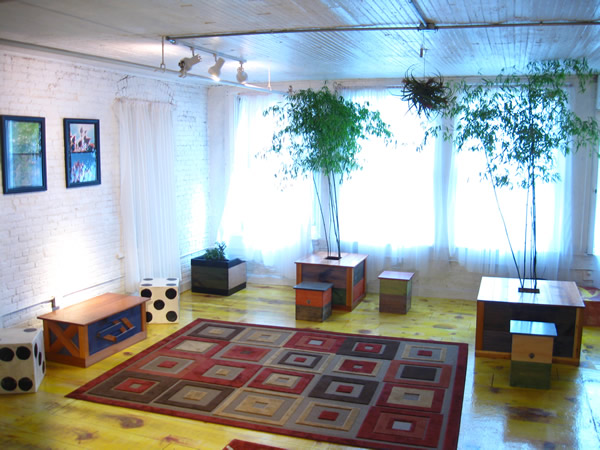
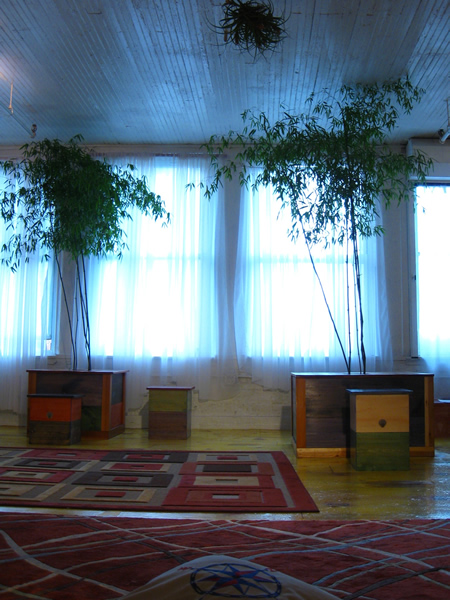
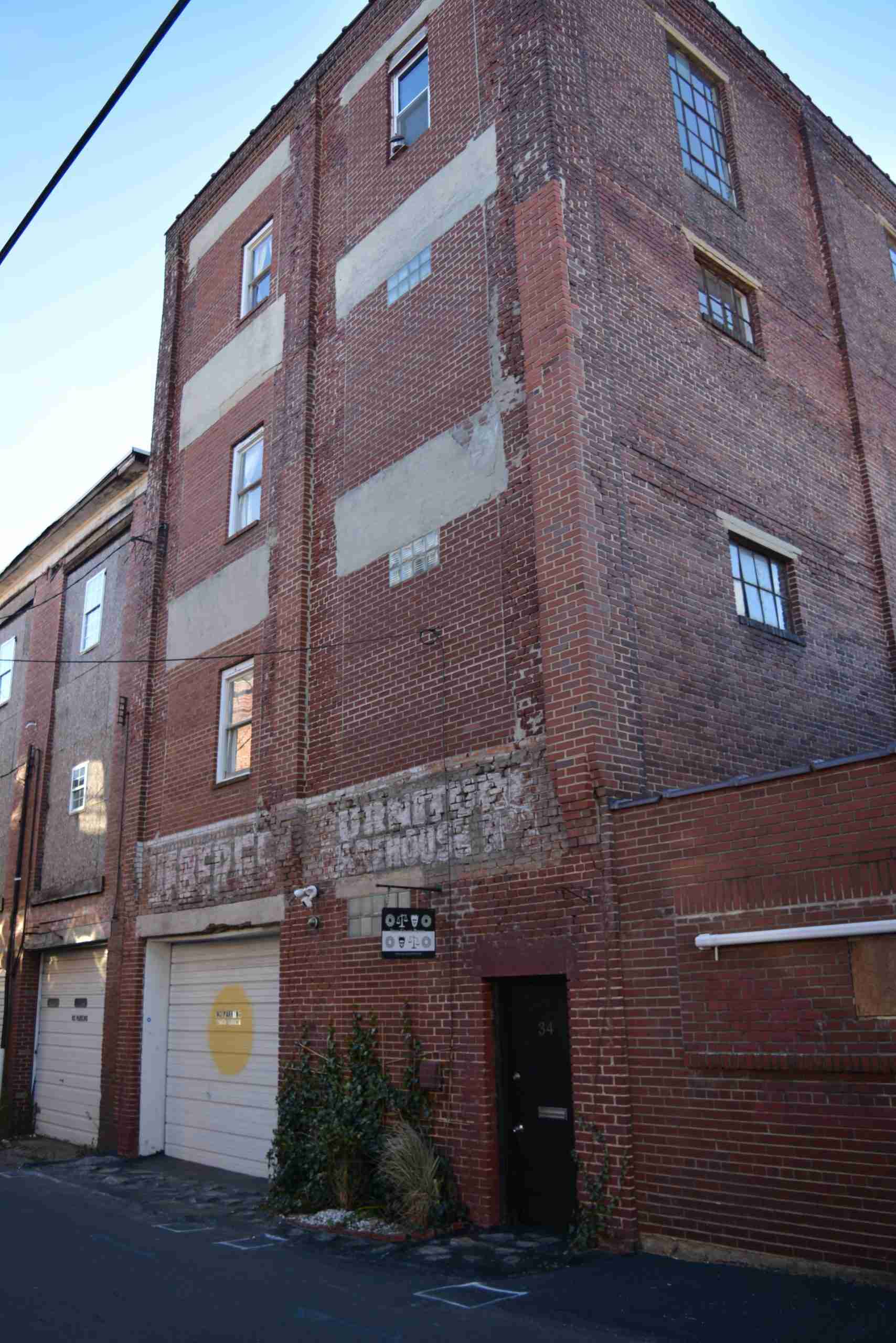
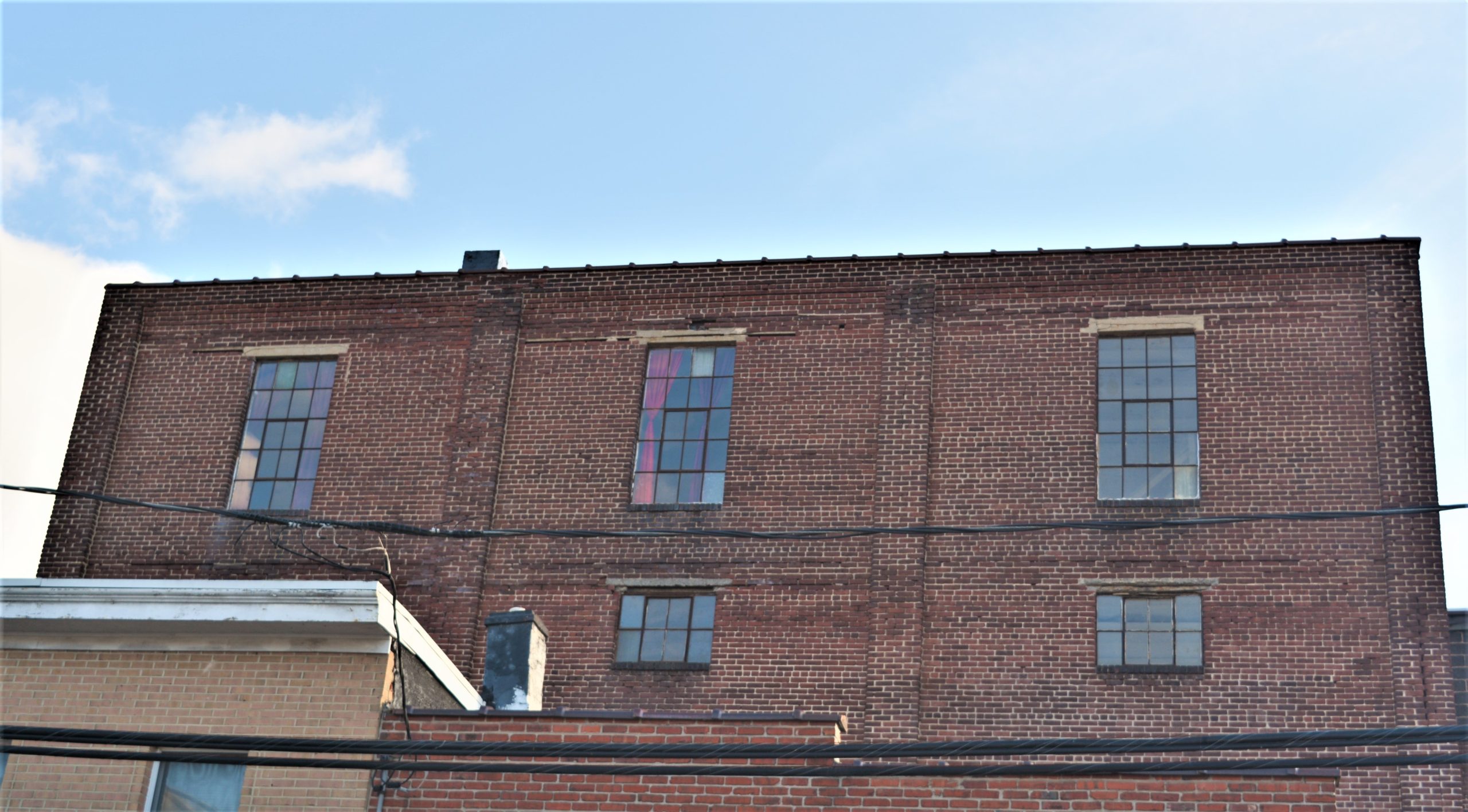
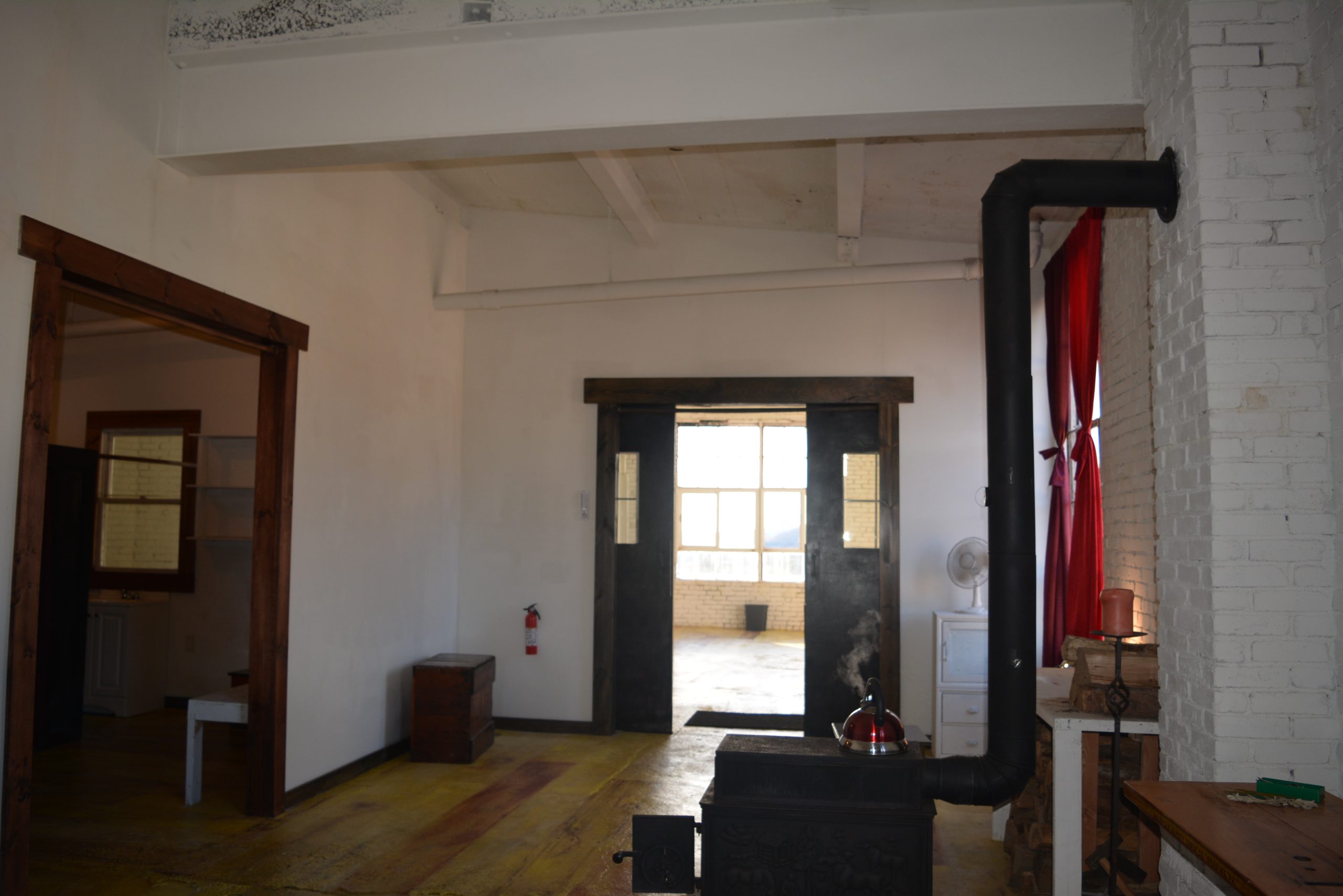
HARDWICK—The Compost Gallery has a new exhibition space in the former Knitwear building on North Main Street in Hardwick. After a rather funky entrance, the space comes as a very pleasant surprise. It’s a large space that is divided into an area for exhibitions and a place for life drawing classes. The floors are polished to a high shine and the area is laid out well. The exhibit space is rather small, but proved adequate for the current show.
The exhibit, “Contemporaries, features the work of three local art. ists with disparate backgrounds and a personal and unique approach to their own art.
Torin Porter’s work takes him from being a union stagehand to maple sugaring. He was a senior fellowship recipient for outdoor art and outdoor installation at Dartmouth College in New Hamp shire. Porter has three large wood and metal sculptures in this show which are interesting and well executed. The larger part of each sculpture is wood with a smaller metal sculpture hanging above the wood installation. The metal sculpture is an addendum that speaks to the viewer of the wooden forms below. One structure consists of natural polished wooden logs piled high one on top of the other with wooden cars painted yellow buried in parts of the wood. Overhead is a metal car, which has a figure hanging out of the car. Reminds one of our highways and freeways. The other two structures are equally as well conceived and provoke thought.
Victoria Zolnoski (known to her friends as Tori) is a local grower specializing in floral arrangements. She teaches photography at Johnson State College. The theme of this portion of her work is “Ode to Summer. Zolnoski celebrates the “Goddess” in every woman. Her photographs are a reflection of that. She shares with the viewer the many facets and beauty of womanhood.
Some of the photographs are intense mystical studies of women dressed in costume. Some are studies of wonderful faces of women being themselves. Some are a little seductive. Some are mysterious.
Zolnoski’s photographs of children are captivating. All the subjects are surrounded by the natural world, especially flowers. For me, the commentary or poetry that accompanies specific groups of photographs are somewhat obscure, but I agree with the basic message of her final words: “LET NO WOMAN BE A TRIBE OF ONE.”
Charlie Emers is a local organic farmer who received a BFA degree from the Museum School in Boston. Emers is a painter. He uses potent color and fierce, sometimes hard to look at images. Except for one small portrait on the side, the images are angry and even brutal. Hiscanvasses have no frames, but are painted on all sides and surfaces of the stretched canvas. Somehow that seems to heighten the impact of the violent symbols of parts of faces strewn about. His use of impasto, (thick paint) also adds to the turbulence. His work is almost all emotion, but he needs to find a better way to organize his ideas more effectively.
The exhibit is certainly a study in contrasts and warrants a visit. For information on gallery hours, call 472-9613.
Hardwick Gazette, 1997