


When I arrive in Hardwick, I’ve got twenty minutes to see the town before I’m due at Compost Gallery for an interview. In other words, I’ve got plenty of time. I stop at Good and Ready Take Out for a cup of coffee and a homemade cookie after the hour and a half drive from Burlington. Tacked up on the bulletin board inside is an “Ally” card, along with fliers advertising in-home childcare, Buffalo Mountain Hours (Hardwick’s local currency), and Lite Drawing classes at Compost, the local artspace. The life-drawing class is one of the many artistic opportunities available at this cutting-edge gallery in the middle of Vermont’s northeast kingdom.
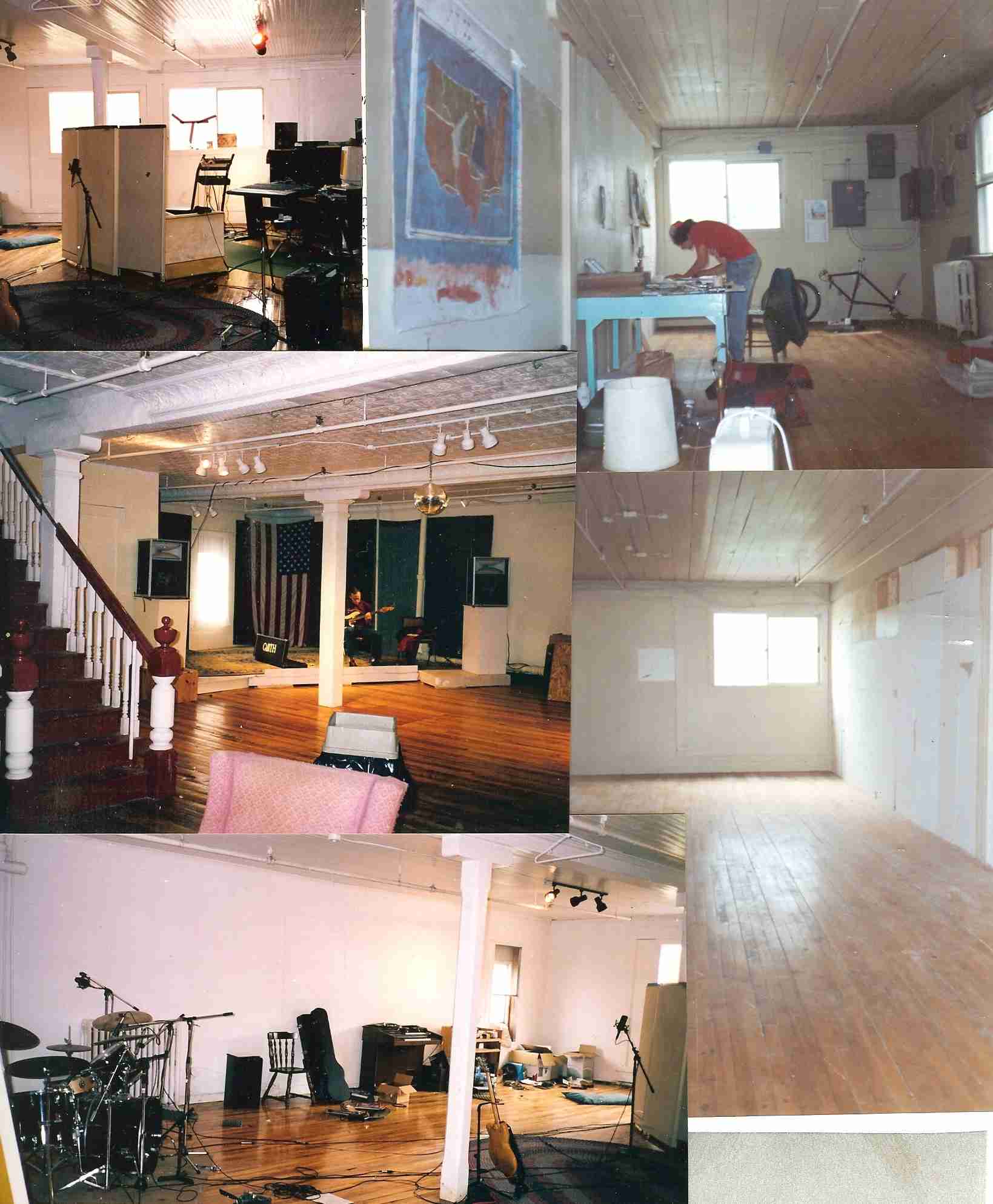
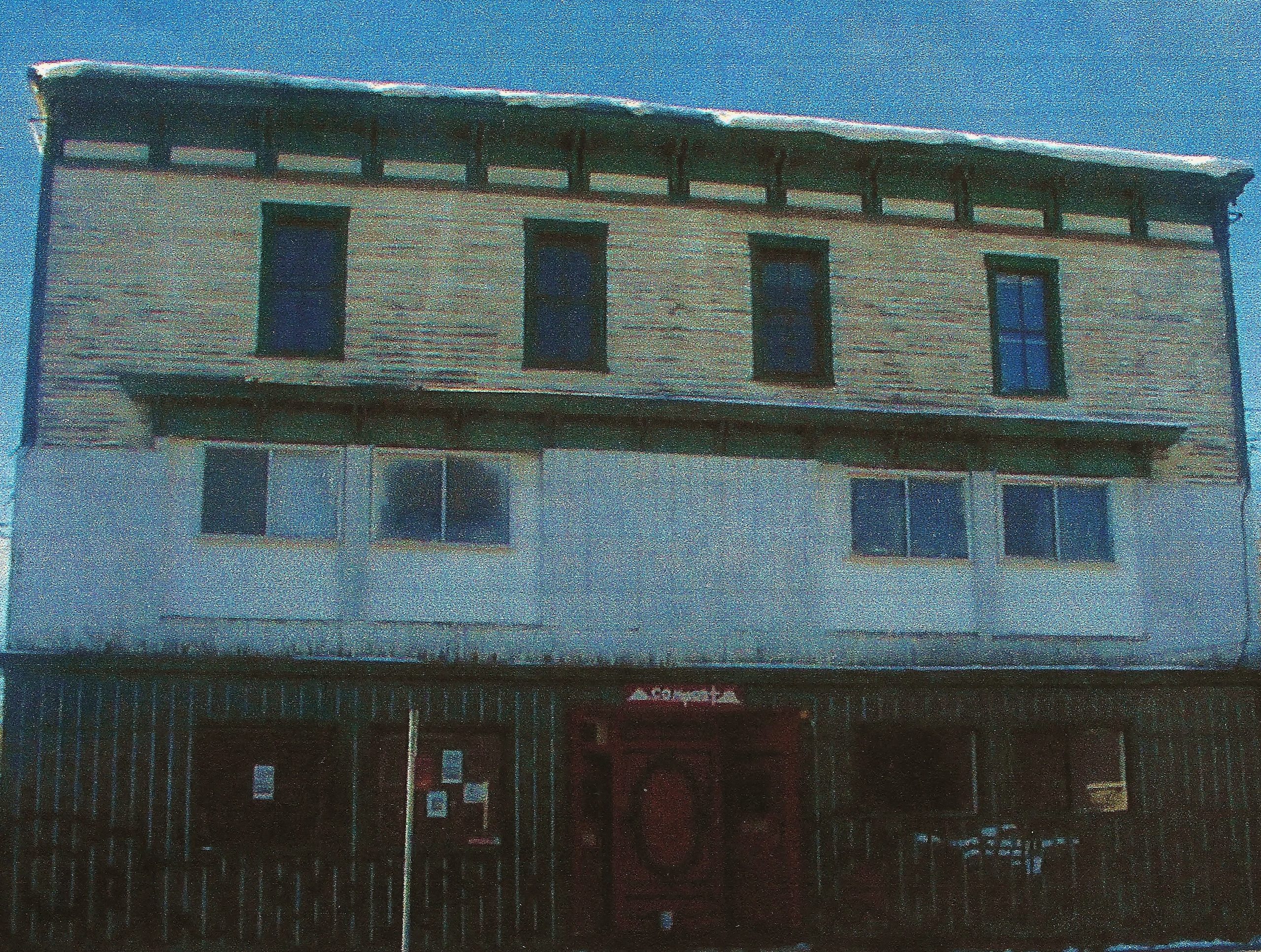
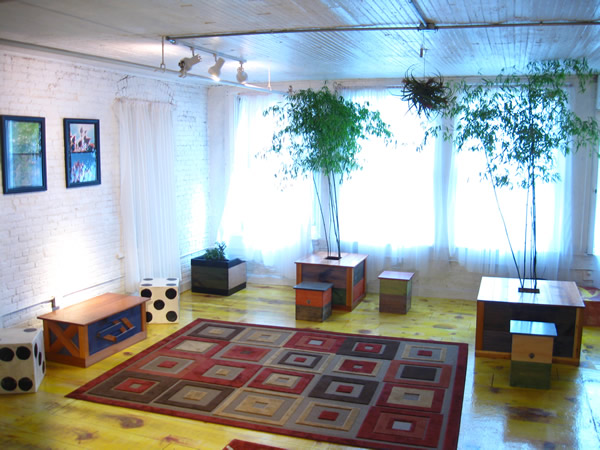
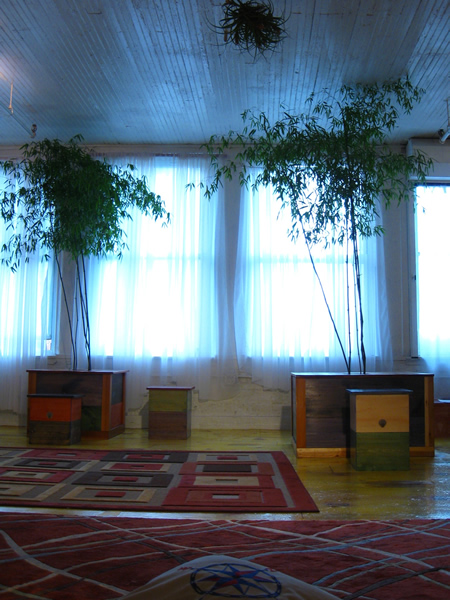
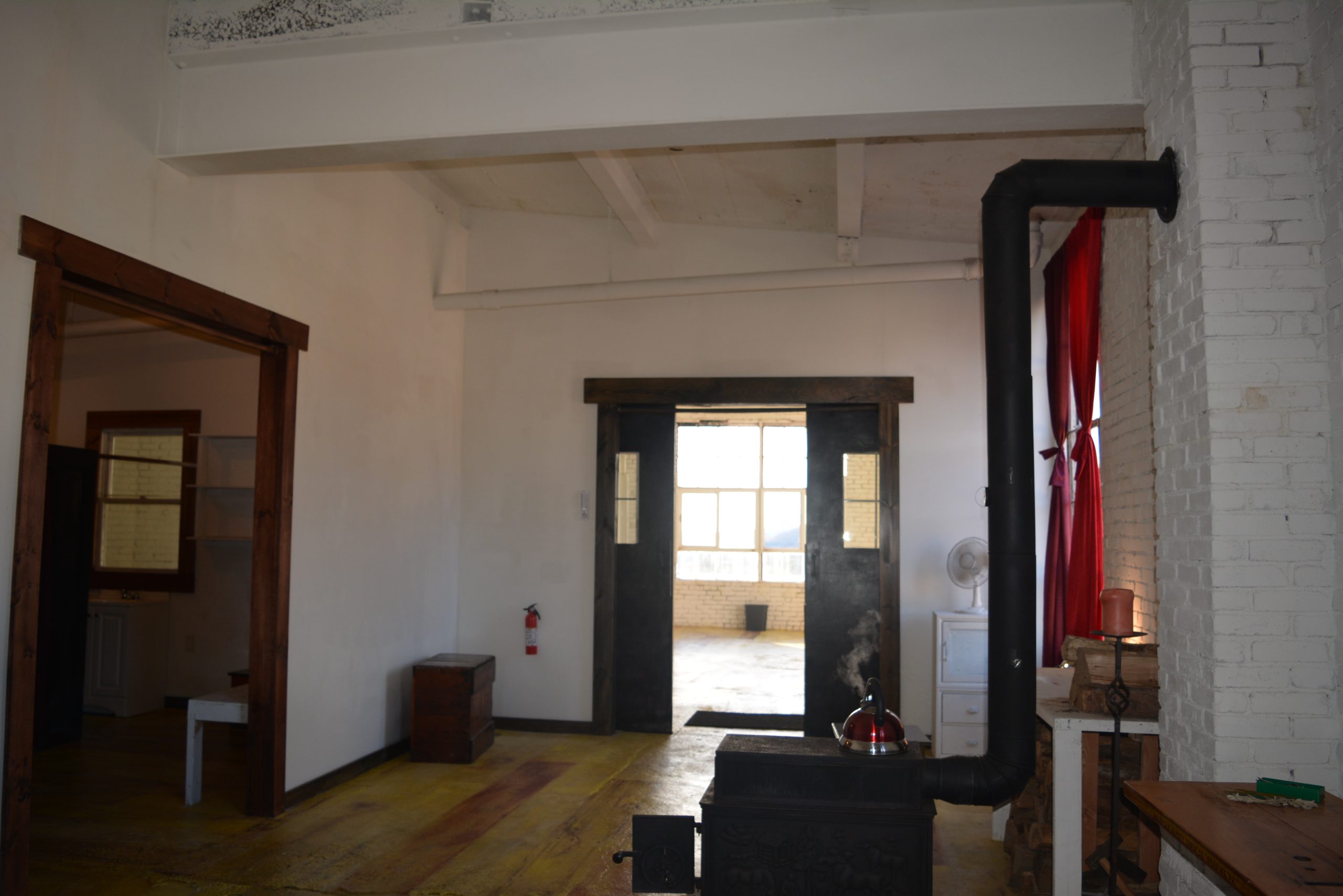
When I arrive, I find that the gallery space itself takes up only half of the first floor. The other half is given to a classroom/performance space for occasions like the life-drawing class. The two are separated by thin black curtains. From the gallery side I see the eerie red glow of the other half of the room, where red curtains filter the sunlight. This is a strange post-modern kind of a place to wander into on a sunny afternoon.
Rural Hardwick is hardly the place I’d expect to find a vibrant “multi-disciplinary environment dedicated to creative efforts” that offers art shows like “Shopping for Salvation” (December 1997), and art openings featuring music by a techno DJ. But co- founders and -directors Juliet King and Clifford Jackman disagree with my jaded appraisal of their town. This is a great community for what we’re doing,’ says King. “It’s not Connecuitized.” And what exactly are they doing? “We try to tell secrets here.” Jackman says.
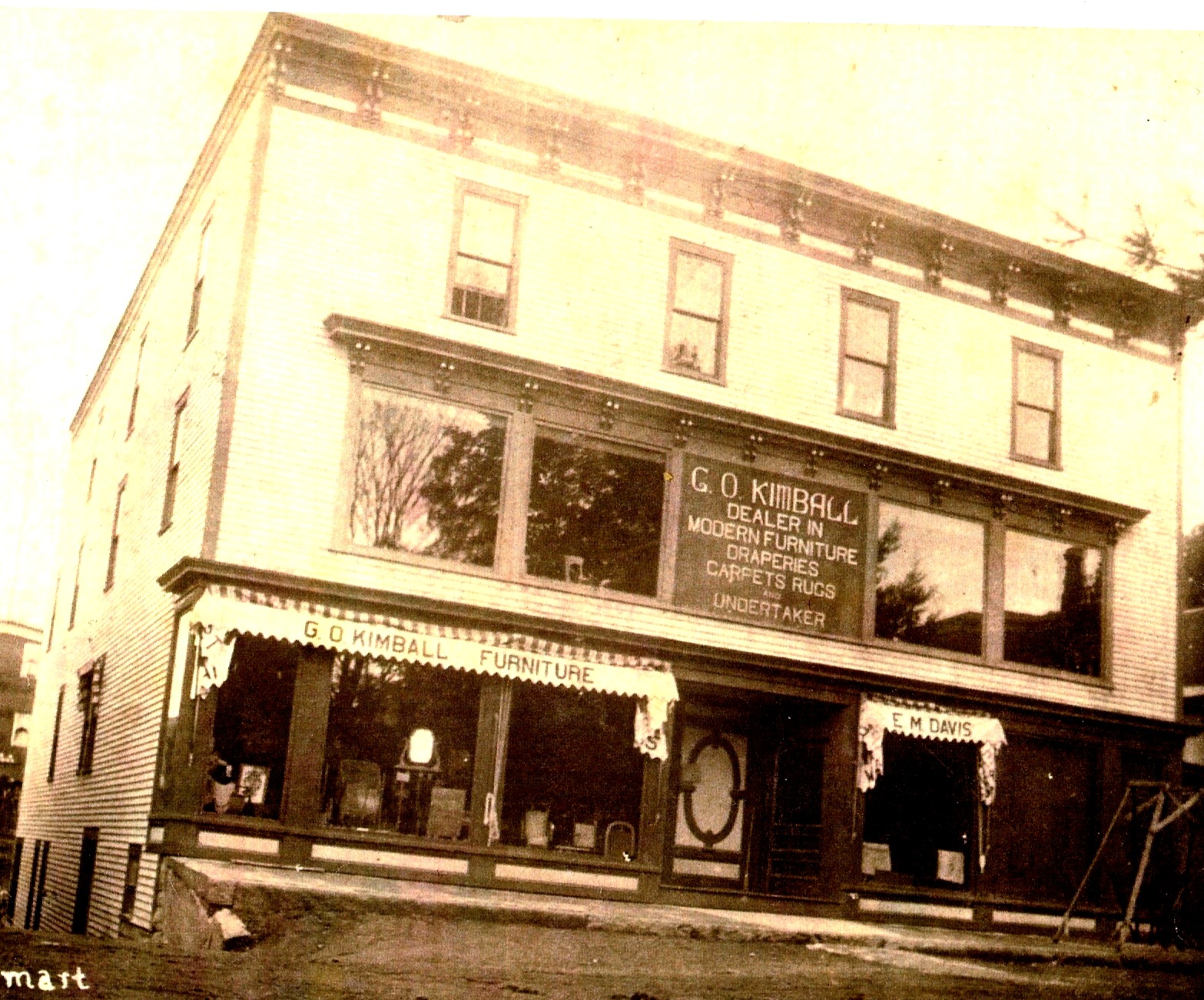
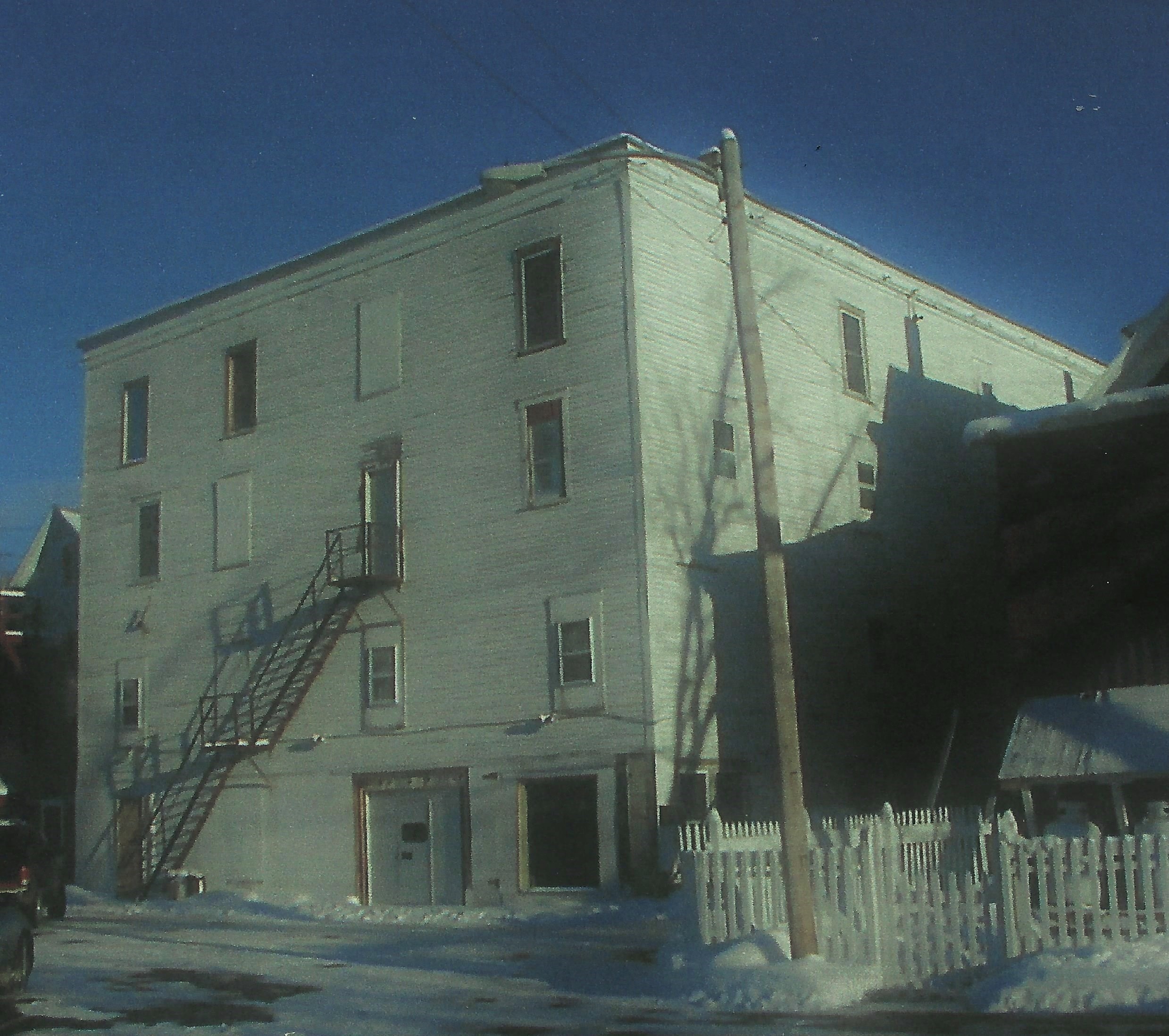
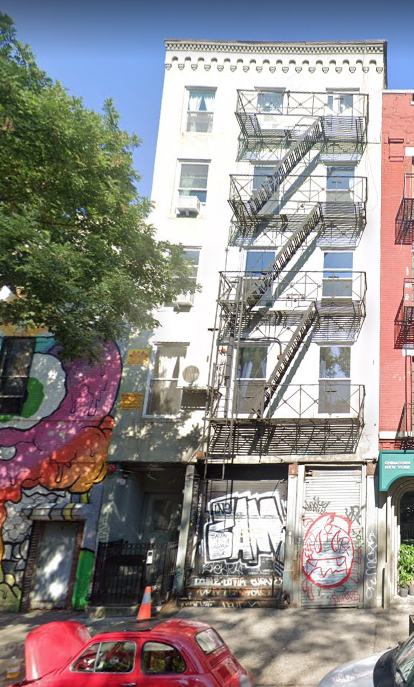
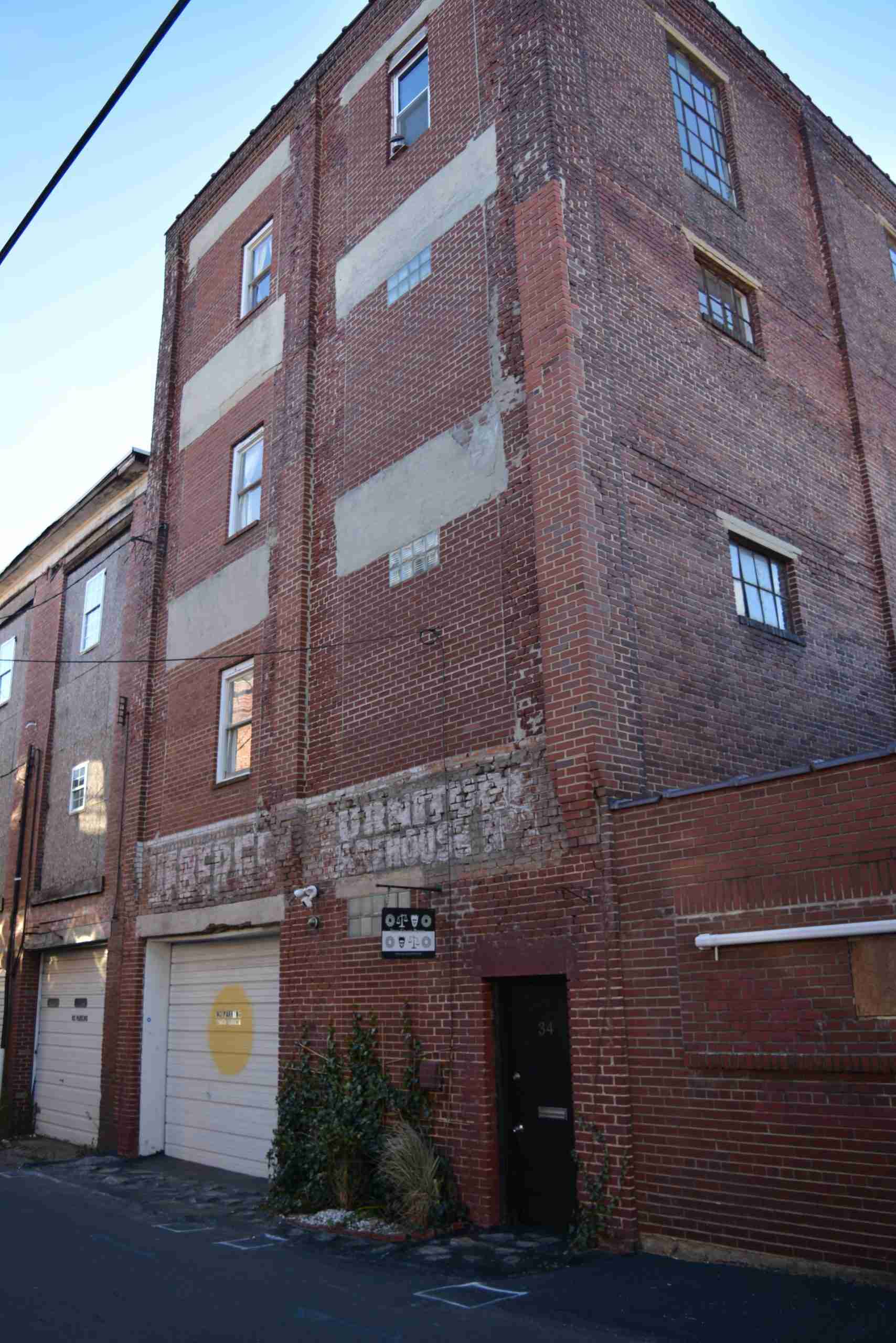
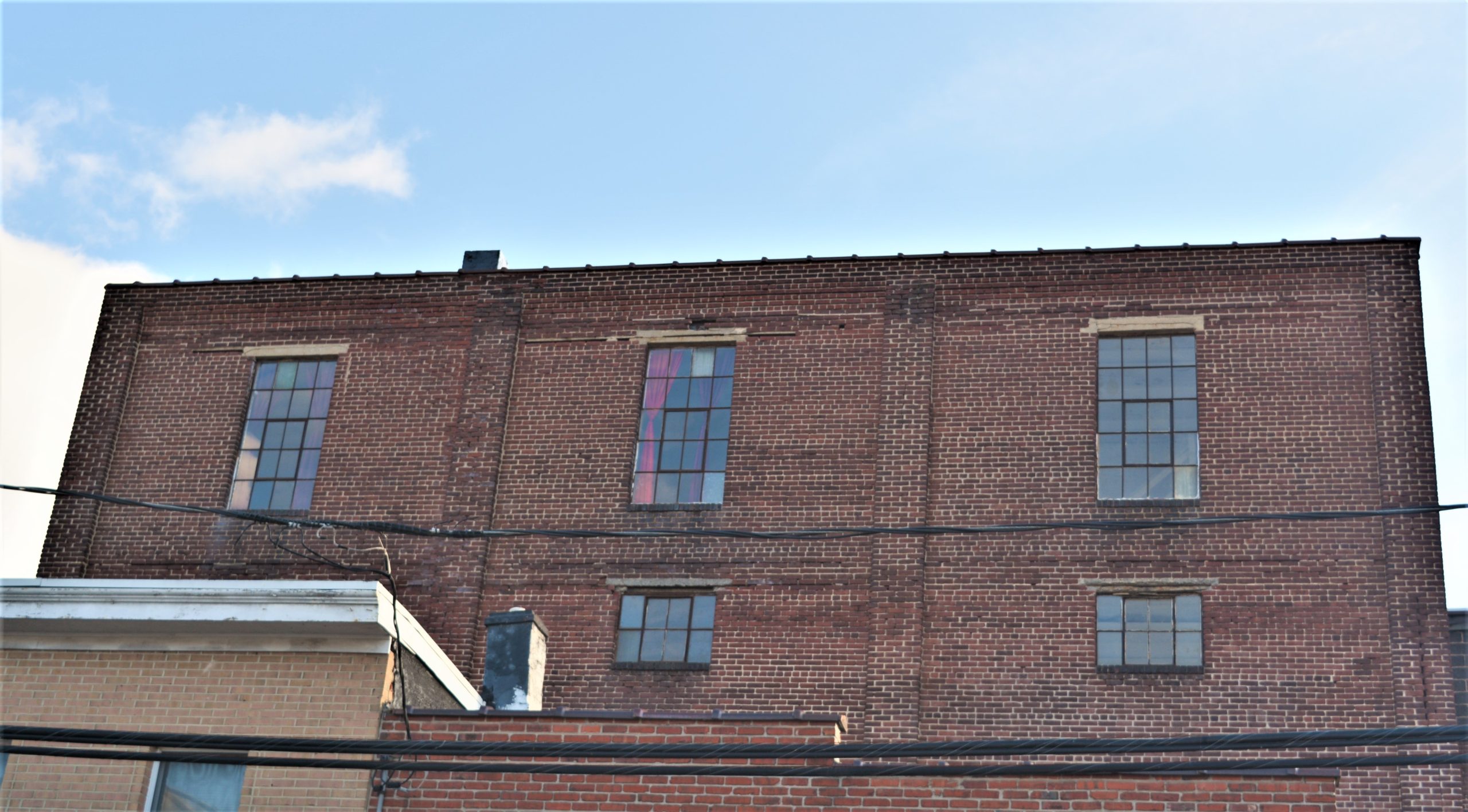
Sandwiched between the Green Mountain Variety Store and the local V.F.W., the Compost Gallery, says Jackman, serves as a “breeding ground for ideas and inventions The building itself has been home to several different ventures over the years. “It used to be a knitwear fac- tory, and I think they used to make coffins here,” says King. This same building currently provides artists with exhibition, classroom, performance, and assembly space, and will soon offer a darkroom, a ceramics facility, office and personal studio space, as well.
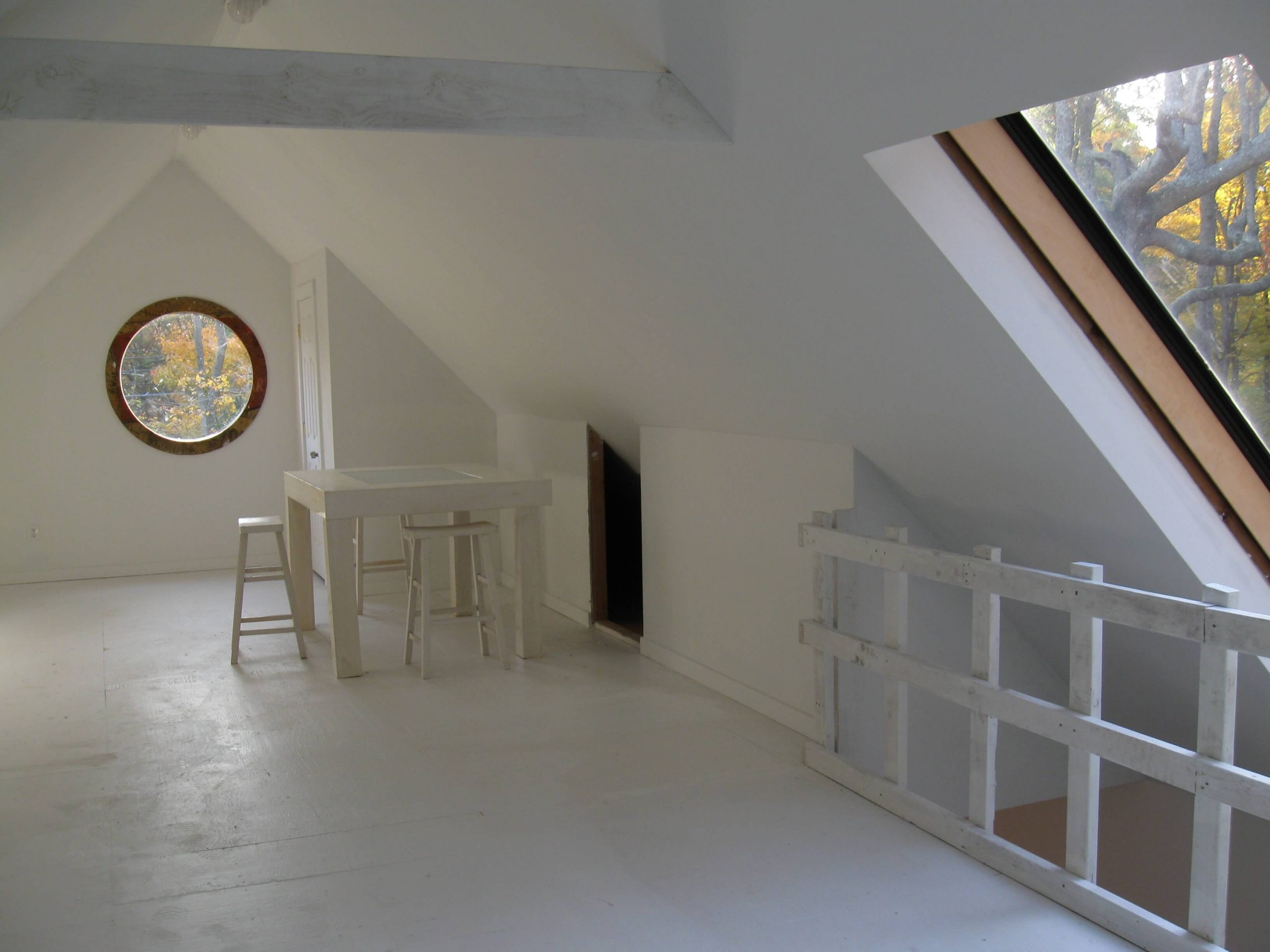
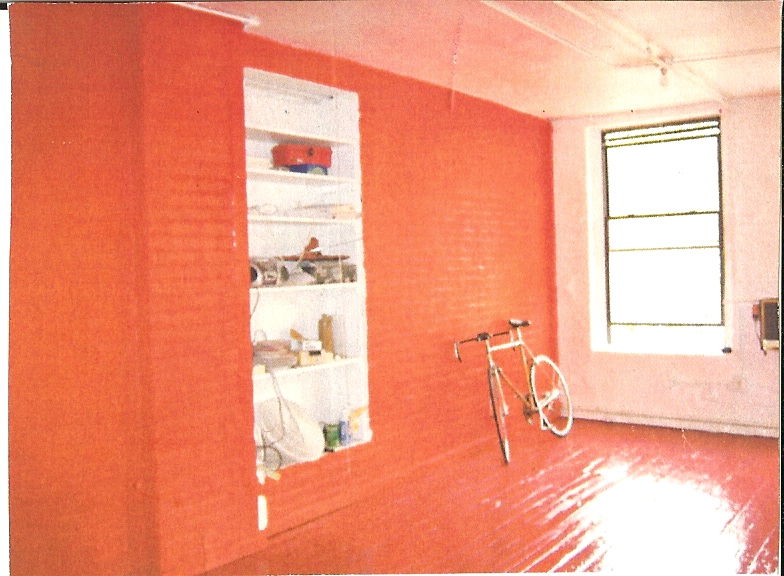
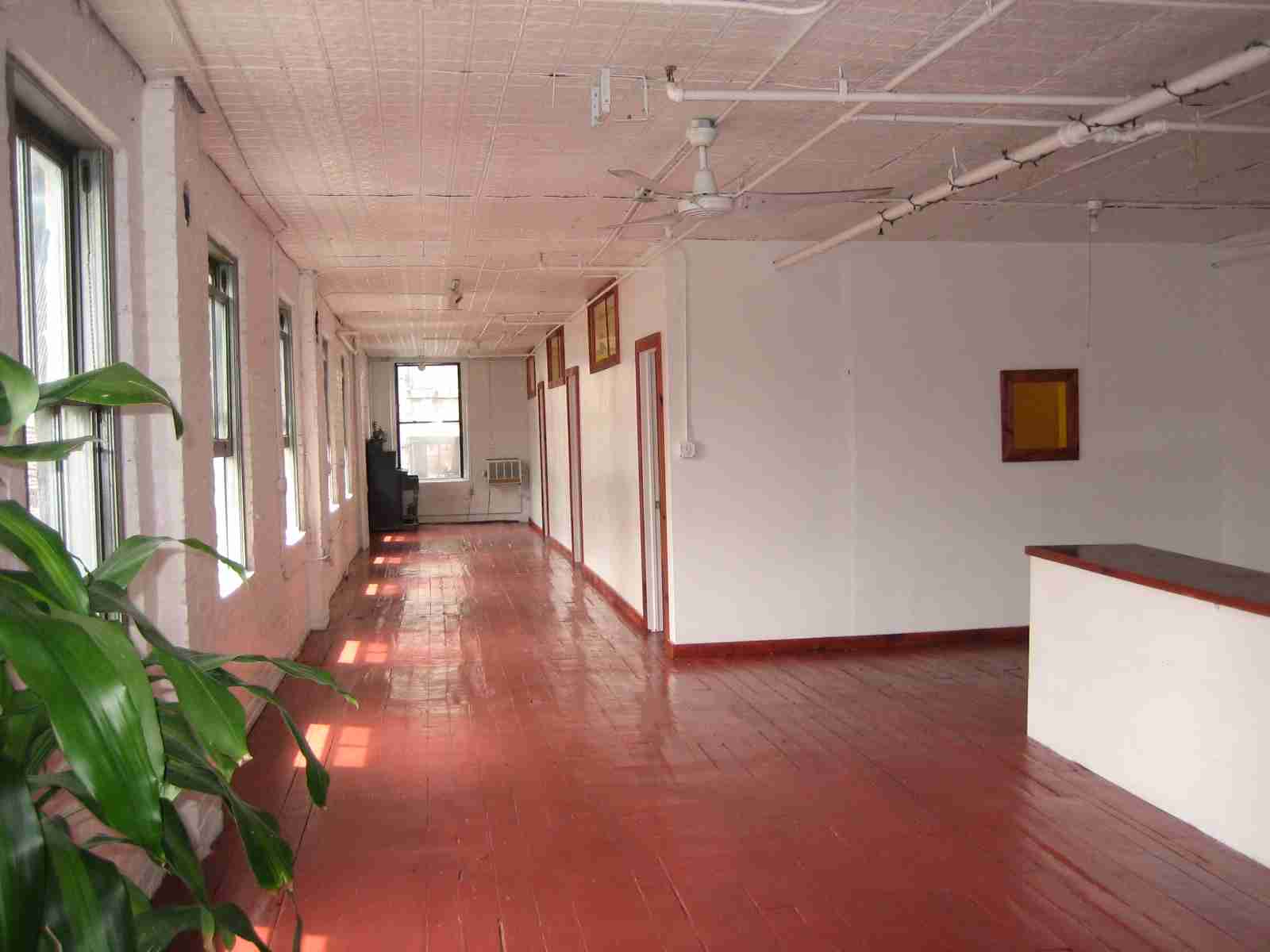
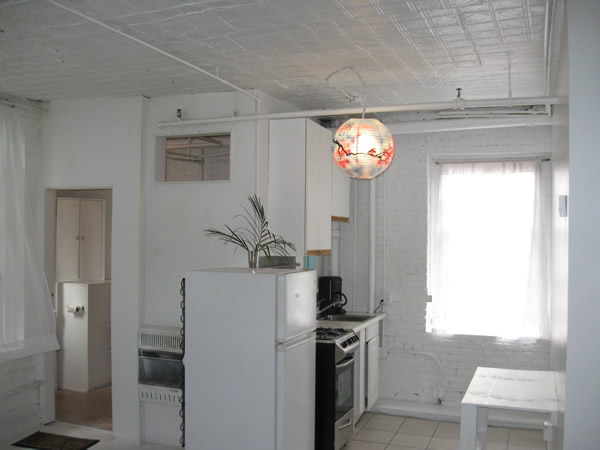
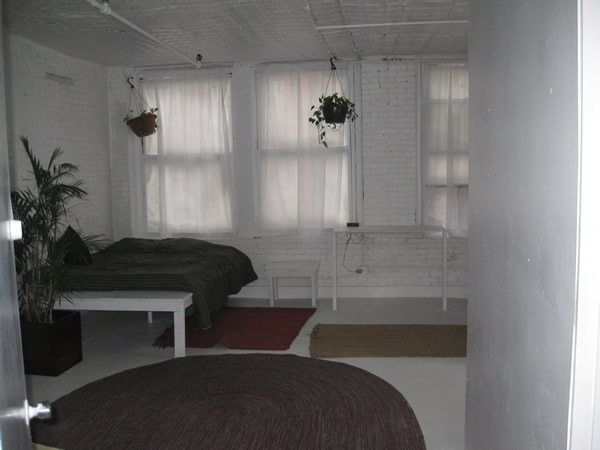
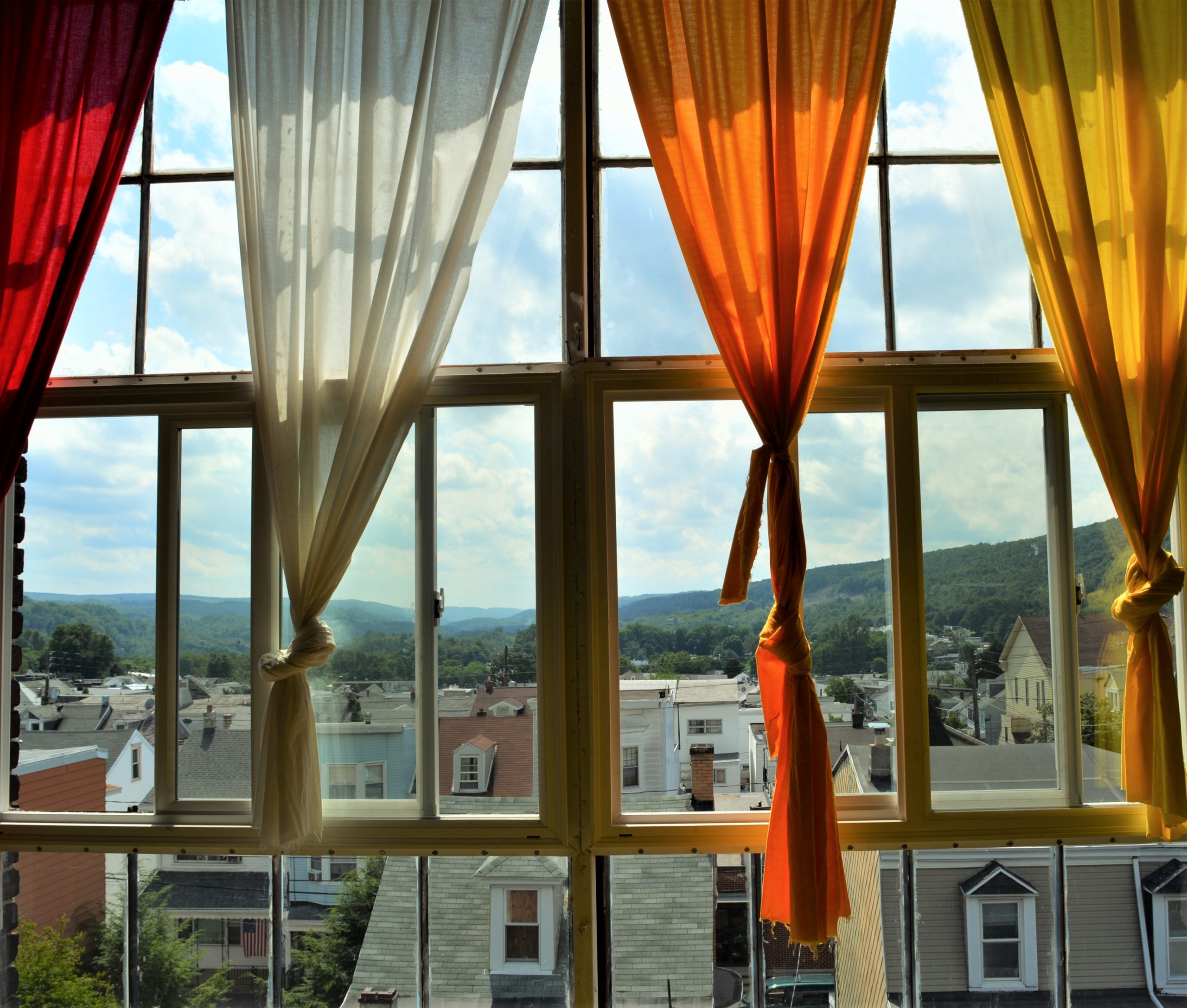
It’s also home to its two directors. Ever thought of living the artist’s life in a vast loft -one enormous room that’s kitchen, dining room, bedroom, and office, with plenty of space to spare? King and Jackman pull it off in the massive expanse of space on the third floor. Another good thing about Hardwick-it’s cheaper than Manhattan, which is where Jackman and King were before they came here. “What were you doing in Manhattan?” I ask. “Paying lots of rent,” says Jackman. The New York natives, who met while they were students at the Massachusetts College of Design, were also doing interior design work and curating independent shows in different places before they moved to the country. Now they’re responsible for scheduling exhibits, coordinating classes, and renovating the physical space—”We do everything ourselves,” says King.
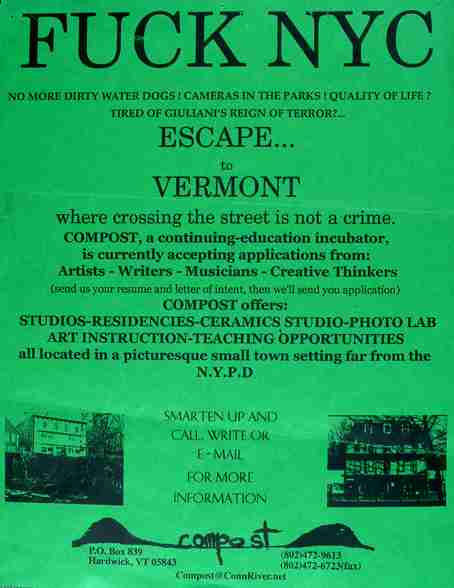
“Everything” includes developing the vision for what their gallery/ artspace should be. “We’d like it to be a functional incubator space for career artists, says King. We want it to be a starting place, where people can do their own thing. We’re looking for serious people producing serious work-radical stuff.” “We want to cultivate a school,” says Jackman. To that end, they’re developing residential quarters for an artists’ retreat, which should be accessible next spring.
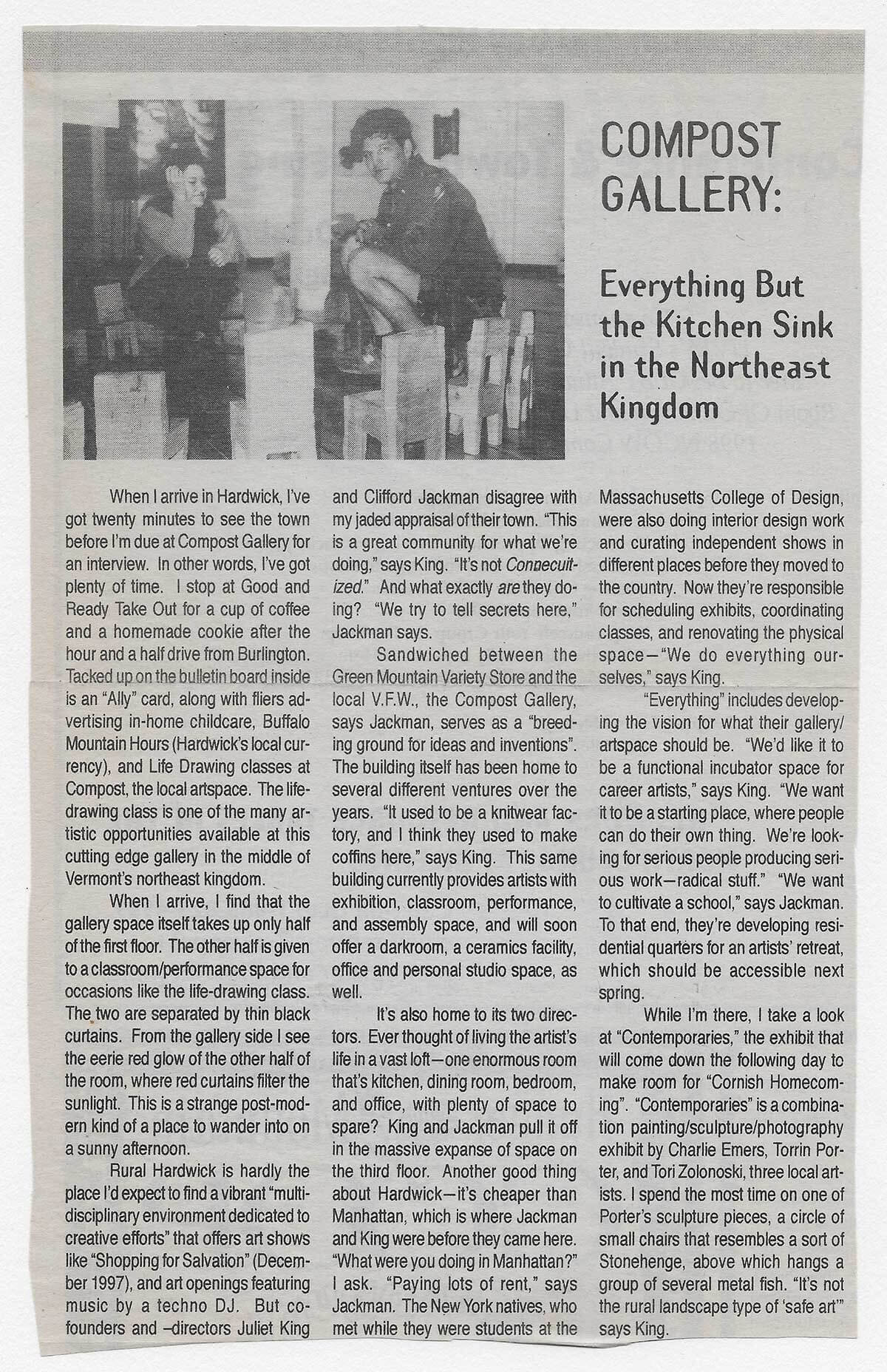
While I’m there, I take a look at “Contemporaries,” the exhibit that will come down the following day to make room for “Cornish Homecoming.” “Contemporaries” is a combination painting/sculpture/photography exhibit by Charlie Emers, Torrin Porter, and Tori Zolonoski, three local artists. I spend the most time on one of Porter’s sculpture pieces, a circle of small chairs that resembles a sort of Stonehenge, above which hangs a group of several metal fish. “It’s not the rural landscape type of ‘safe art'” says King. “Cornish Homecoming, the next show (September 18-October 19) sounds intriguing; the gallery is hosting a collection of work from the Cornish family—six siblings who grew up in Hardwick before moving to places as diverse as Tokyo and Sante Fe. The oldest, Daryl Cornish, S.J. is a Jesuit priest who lives and works at St. Louis University. He lost the use of his hands due to Multiple Sclerosis, but his works have been shown in Chicago, and an exhibit is planned for New York. I’ve missed it by a couple days.
Before I head back to B-town, I have one last question: “Why Compost?” I ask. “Where’d you get the name?” King tells me, “It’s about re- using raw materials, like these abandoned old buildings. Nobody wanted them. Jackman gets more philosophical. “The arts are at the bottom of the barrel right now,” he says. I’m not sure if he’s referring to the recent national obsession with salacious details, or to the constant barrage of junk that comprises our American consumer culture, but I think I know what he means. “It’ll come back, though, and we’re going to keep the soil warm up here by doing good shows and good work ourselves.”
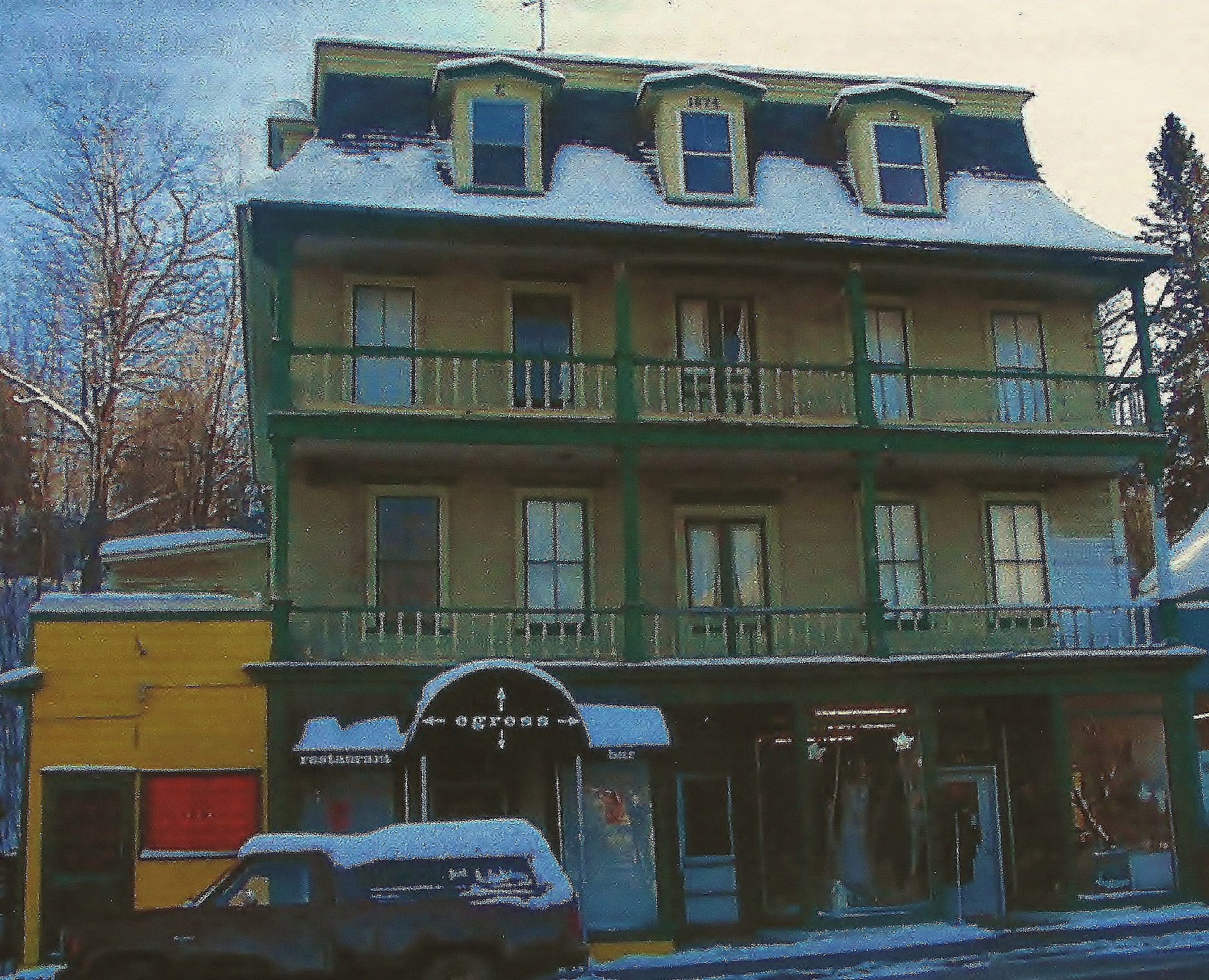
If you go: Leaf peeper season is upon us, and it’s a beautiful drive from wherever you are. The exhibit is “Cornish Homecoming” runs until Oct. 19th. After that is “The Unexamined Life”, an open calling show, which runs from Saturday Oct. 24t through Monday December 7′. While you’re up there, check out the Galaxie Bookstore, get some quick food at Good and Ready Take Out, or sit for a spell at “The Parlor”, located opposite the take out place, where the signs say you can “read the paper or a book. have conversation…eat a meal…or use the public restroom.”
Call Compost at (802) 472-9613 for more information about shows, or classes, or artist in residence programs.
Out in the Mountains, September 1998