Non-Profit Real Estate Development for Artists, Writers,

and Information Technology Workers

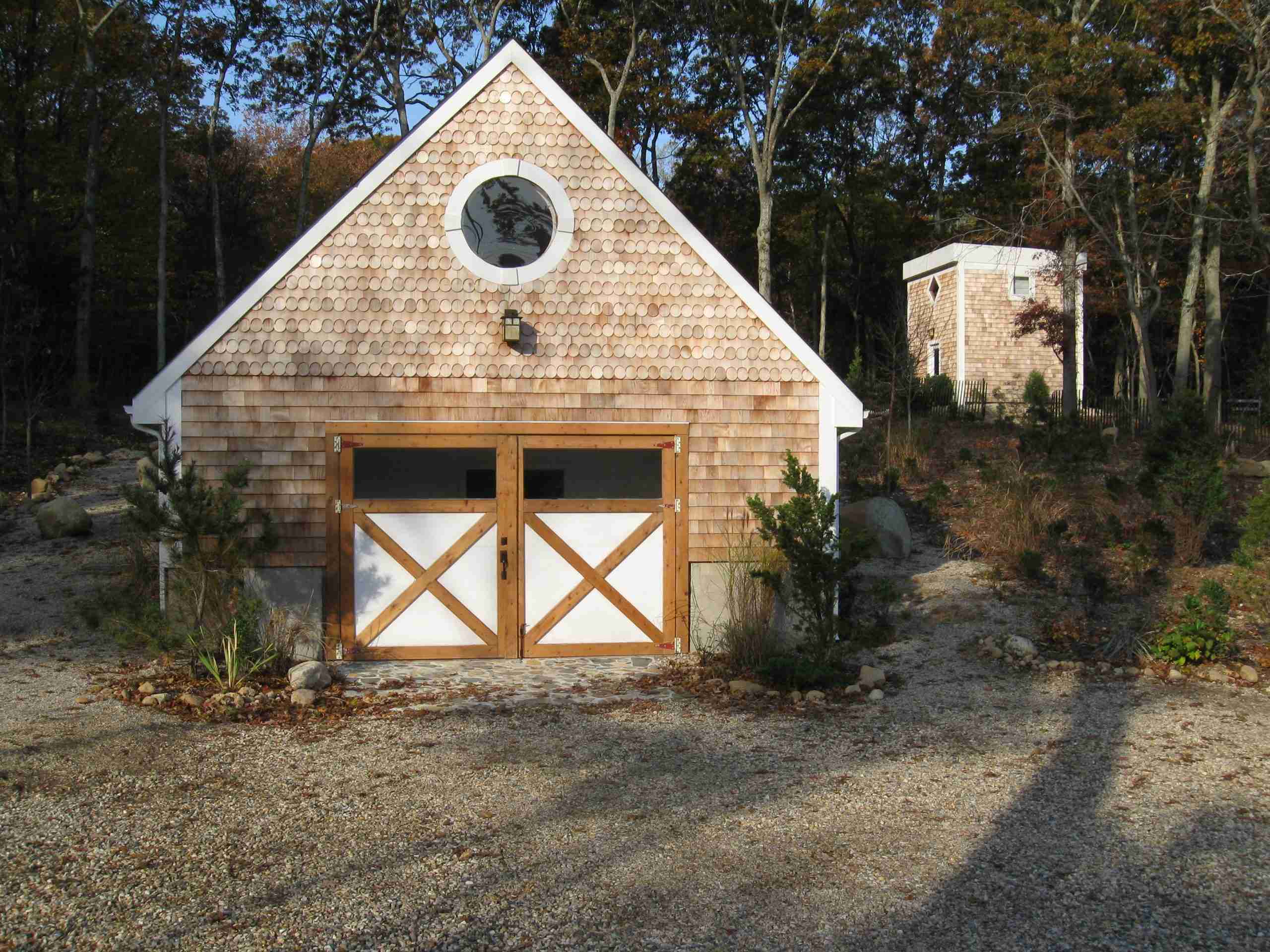
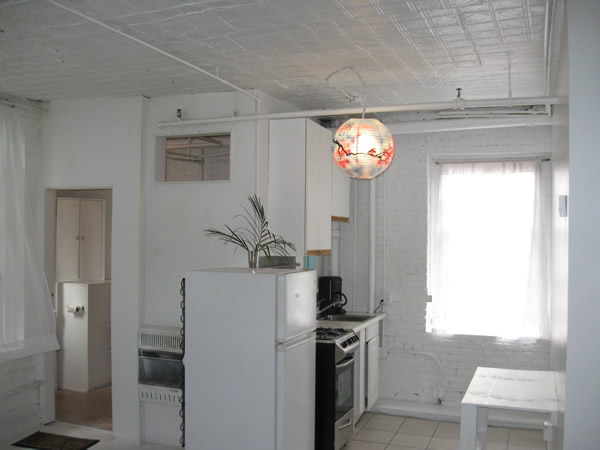
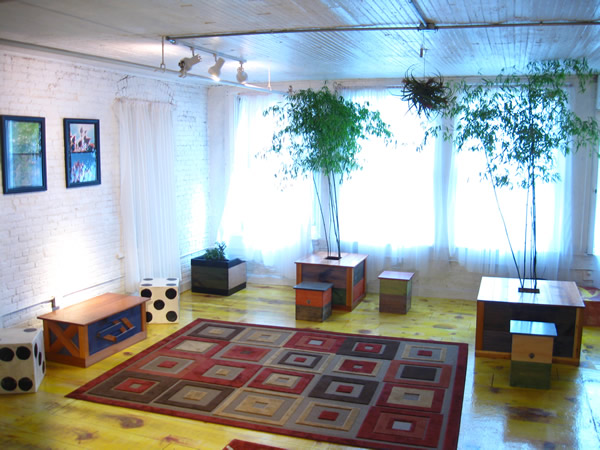
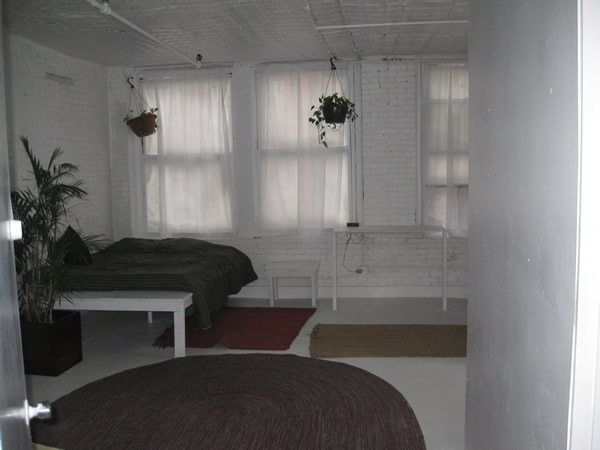
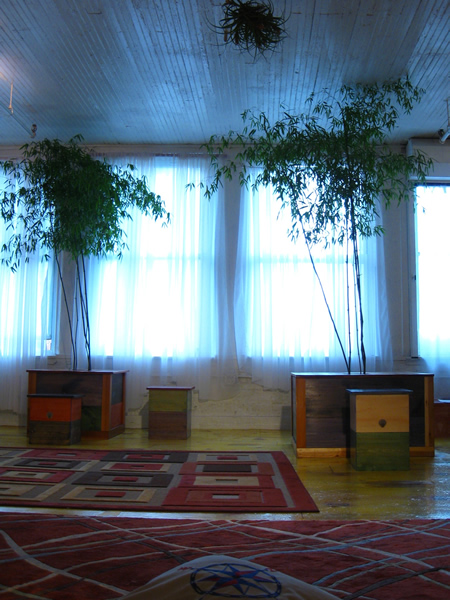
Compost Art Center real estate development strives to create homes for Artists / Writers and remote Information Technology Entrepreneurs. Compost provides visual and performing artists, designers, writers, musicians, technology designers and entrepreneurs with live-work studio space in a creative, vibrant atmosphere that nurtures innovation and communication. Compost Art Center projects are located in Hardwick, Vermont, Sag Harbor, New York, and Shenandoah Pennsylvania.

The Founders, Jamie Day and Clifford Jackman, became focused on residency programs after Jackman worked at the Nantucket School of Design and Art (NISDA) and The Guild Hall in East Hampton, NY – where he gained immense knowledge about the unique opportunities for social benefit as well as the investment potential for philanthropic investors who are committed to the advancement of the fine arts.

FOUNDERS STATEMENTS

Jamie Day – After taking art classes at The Art’s Student League and The School of Visual Arts, it seemed to me that the Art schools were creating generations of art school graduates without a common goal or sense of Fine Art responsibility. Art schools refuse to teach artists how to sell your work or financially support your work.

Clifford Jackman – After attending art schools in New York (Fashion Institute of Technology) and Boston (Massachusetts College of Art) and also being in the military, I realized the problem with art schools. They didn’t teach graduates to respect each other, balance a checkbook and/or build the Fine Art industry and livelihood. There was not, nor is there at this time any Fine Art Unions, or industry groups protecting the Fine Artist industry and livelihood. Essentially there was NO planning, or communication about the future, and most damaging to the fine arts industry was that there was no esprits de corpse.

Art school academia taught us nothing about food, clothing and shelter. They taught us to worm/sleep, your way into gallery representation or die poor and unknown. I wanted a different Fine-Art life, so Jamie and I, create live/work homes for artists/writers and entrepreneurs in rural America.

ART AS FINANCIAL ASSET

Clifford Jackman – In the mid 1990’s there was also the negative conversion of Fine Art into an asset class for the rich. Financial advisors, galleries, art administrators,  museums, and all their sleazy sales people converted lame art into a commodity and lame artists into entertainers (Charles Saatchi/Damian Hirst). These art administrators (seven administrators make a living off of one artist’s work) catered to the extremely wealthy looking for asset protection and/or cultural capital.

Nobody is nurturing the current art scene. Art fairs and Etsy has not raised the annual income of art and writer grads. Artists’ and writers’ annual salary continues to fall below a livable wage and is below that of a ditch-digger.

On the other side of the economic spectrum – the low income and poverty side of America in urban, suburban, and rural areas – non-profit art groups financially support “the children’s art program” and “the senior citizen’s art therapy” within their community, BUT NOT THE INDIVIDUAL ARTIST.  That’s because these non-profits don’t care about artists or the current art scene – they only care about their salaries.

Art administrators don’t want to lose funding like they did with the National Endowment for the Arts in the 1990’s. That’s because grants were awarded to individual artist like Karen Finley, Andres Serrano, and David Wojnarowicz. These art admin or artsy salespeople are damaging artists and the current art scene because they are siphoning money away from the artist that should help recent art grads and current art creation.

I saw the need here for ARTIST-RUN residencies – eliminating the over-reaching art administrative problem, and giving more power to the artist.

COMPOST MISSION

Compost Art Center’s Mission is to enable artists, writers, inventors, and IT entrepreneurs to work on their next creative project while living in an affordable, harmonious, and productive setting. Our non-profit mission is to create and provide affordable living and working space. Our projects encourage artists to participate in the use of their imagination and experimental vision in order to establish the role of the fine artist and small business entrepreneurs as a vibrant and central participant in the community where they live and work.

COMPOST PHILOSOPHY & INSPIRATION

We both drive our philosophical inspiration from the 1900’s New England Transcendentalist movement that included Ralph Emerson’s Self-Awareness,  Henry Thoreau’s Walden, and Edith Wharton’s Ethan Frome. Artistically we work off of the expressionistic painter and writer Robert Henri – especially his book – “The Art Spirit.” And of course we get energy from Walt Whitman’s “This Compost” poem. And like Walt – we drive our “Plough” “Beholding the compost” and work on our art, and/or our “Leavings.”

Timeline

1997 ♦

RENT… OR OPEN A RESTAURANT IN SANTA FE

Jamie Day – As we both graduated art schools in the mid 1990’s the gentrification of the artist’s and writer’s neighborhoods was in full swing in both Boston (Central Square/Cambridge, Fort Point/Boston, and Jamaica Plain/ West Roxbury/Boston). And in New York (All Downtown Manhattan) and Williamsburg, Brooklyn. In these gentrified areas rent had risen to quickly to get any serious fine art or entrepreneurial work done.

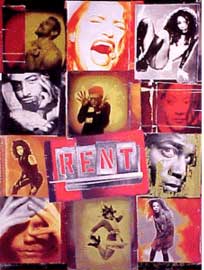
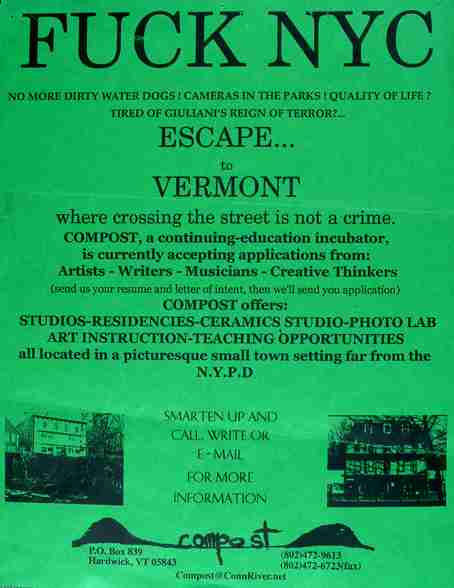
The play and then movie RENT describes these trials and tribulations of young artists in NYC in the 1990’s. Also at this time was the expansion of the internet, so we could do good research and more important – listen to our favorite college radio stations on line. The internet made it possible to live anywhere as long as it had a decent internet connection. We decided to leave NYC and not “Open a Restaurant in Sant Fe,” but open a restaurant in the northeast Kingdom of Vermont.

1997 ♦

Compost Studios

1999

2004 ♦

2004, Compost Art Center worked with Amistad

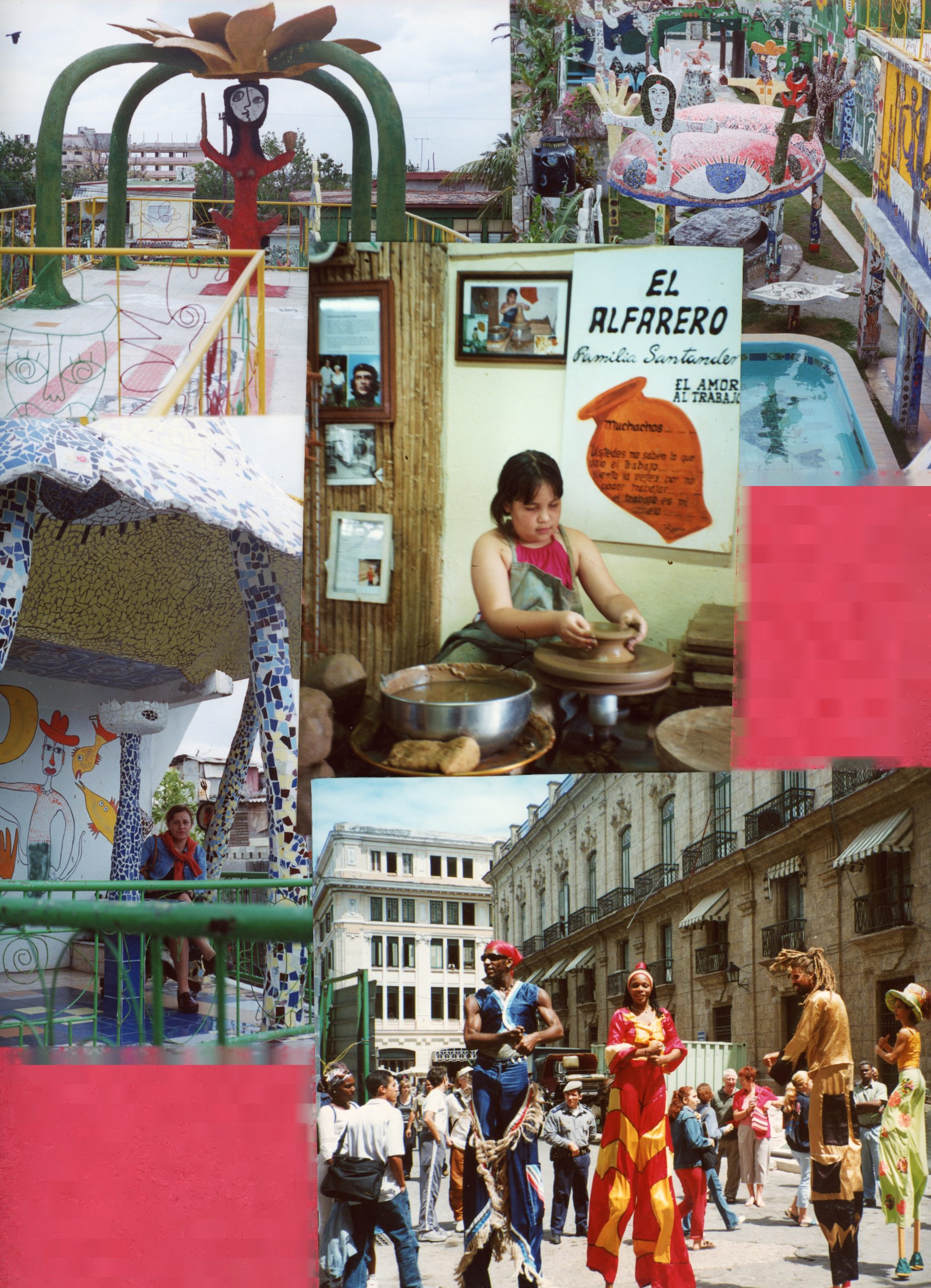
Fundacion, a Cuban and Duke University cultural exchange program. Amistad Fundacion was working with the Town of Easthampton who had set up a Sister-City program with Playa, Havana in Cuba. Compost Ar Center hosted/supported Cuban artists in the Hamptons and had gallery shows in Amagansett and Sagaponack.

Compost also coordinated American artists visiting and working in Cuba.

2003 ♦

Sagaponack Compound

♦ 2006 – 2012

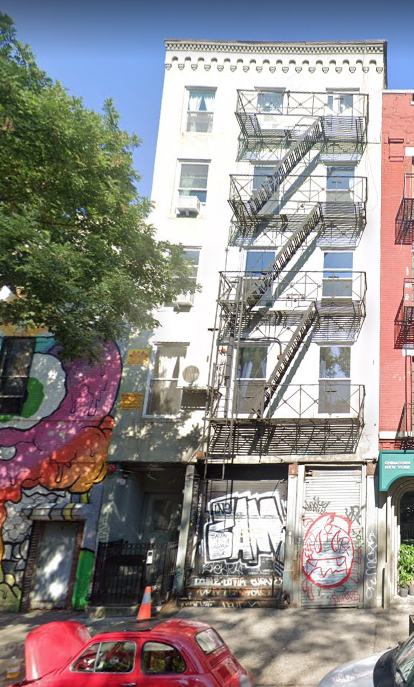
COMPOST Art Center Development  –  Division Street, Chinatown, NYC 2012

2008 – 2012 ♦

2008-2012 Sag Harbor

2014 ♦

2014 ♦

2014 – 2022

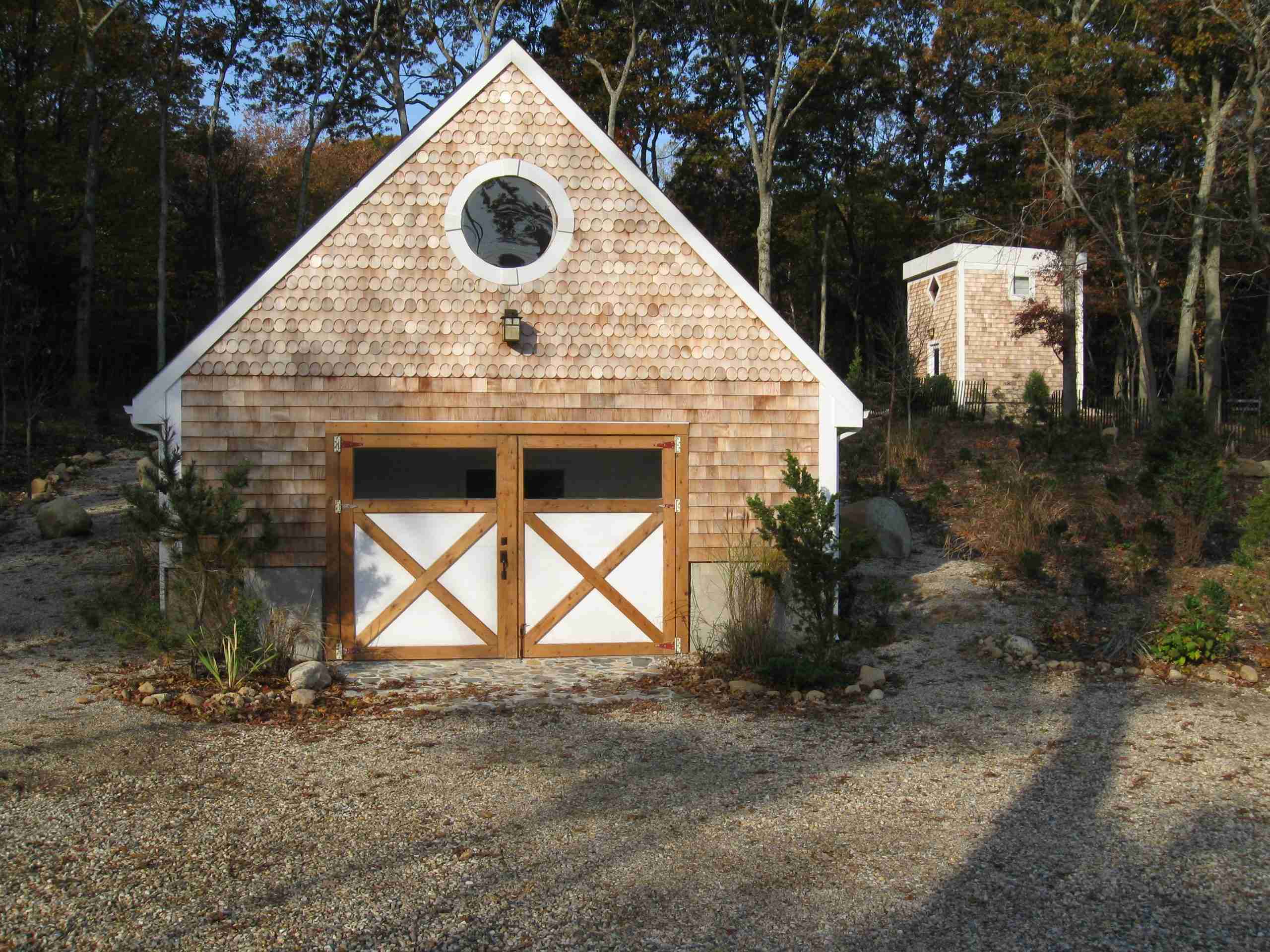
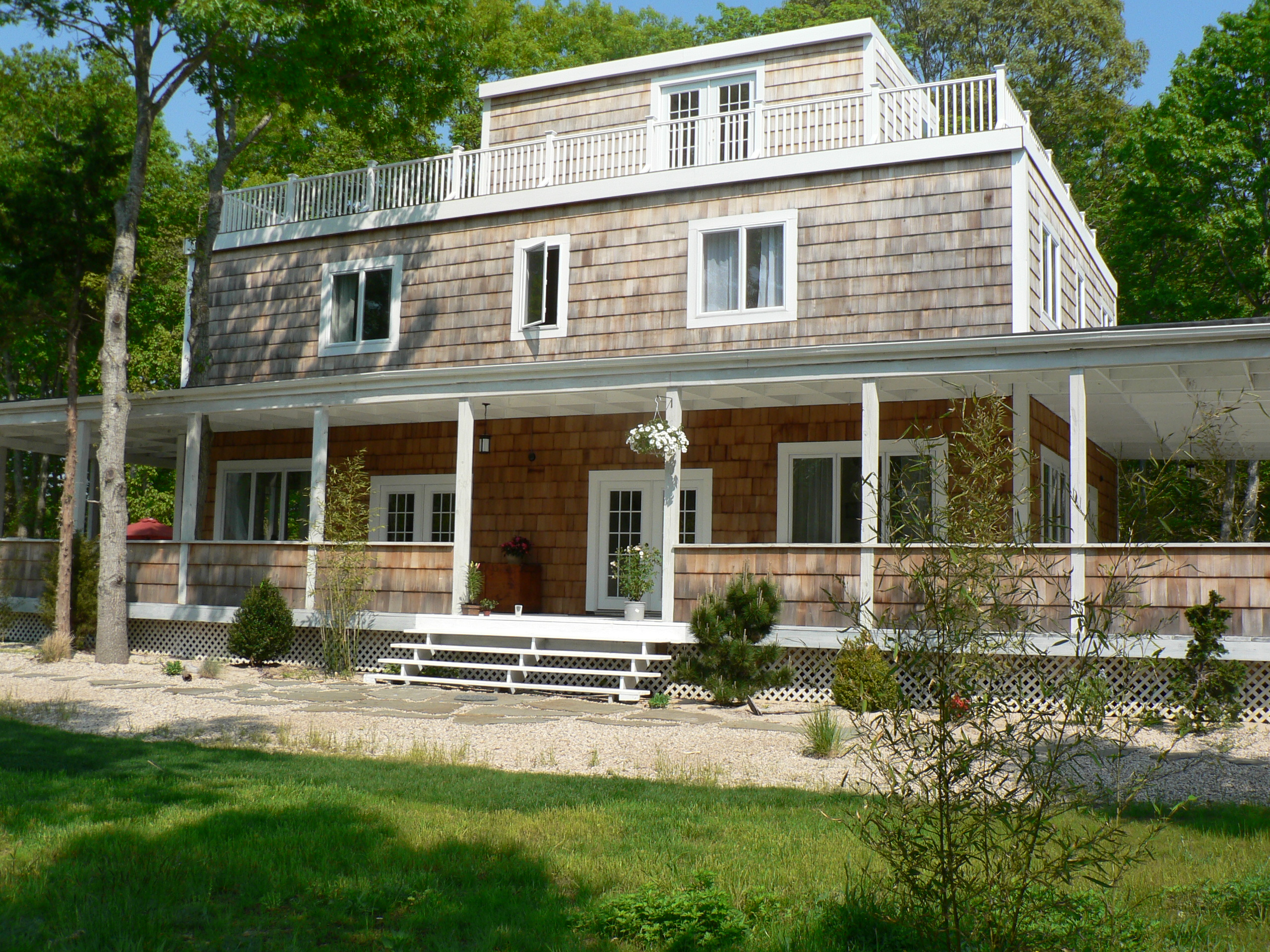
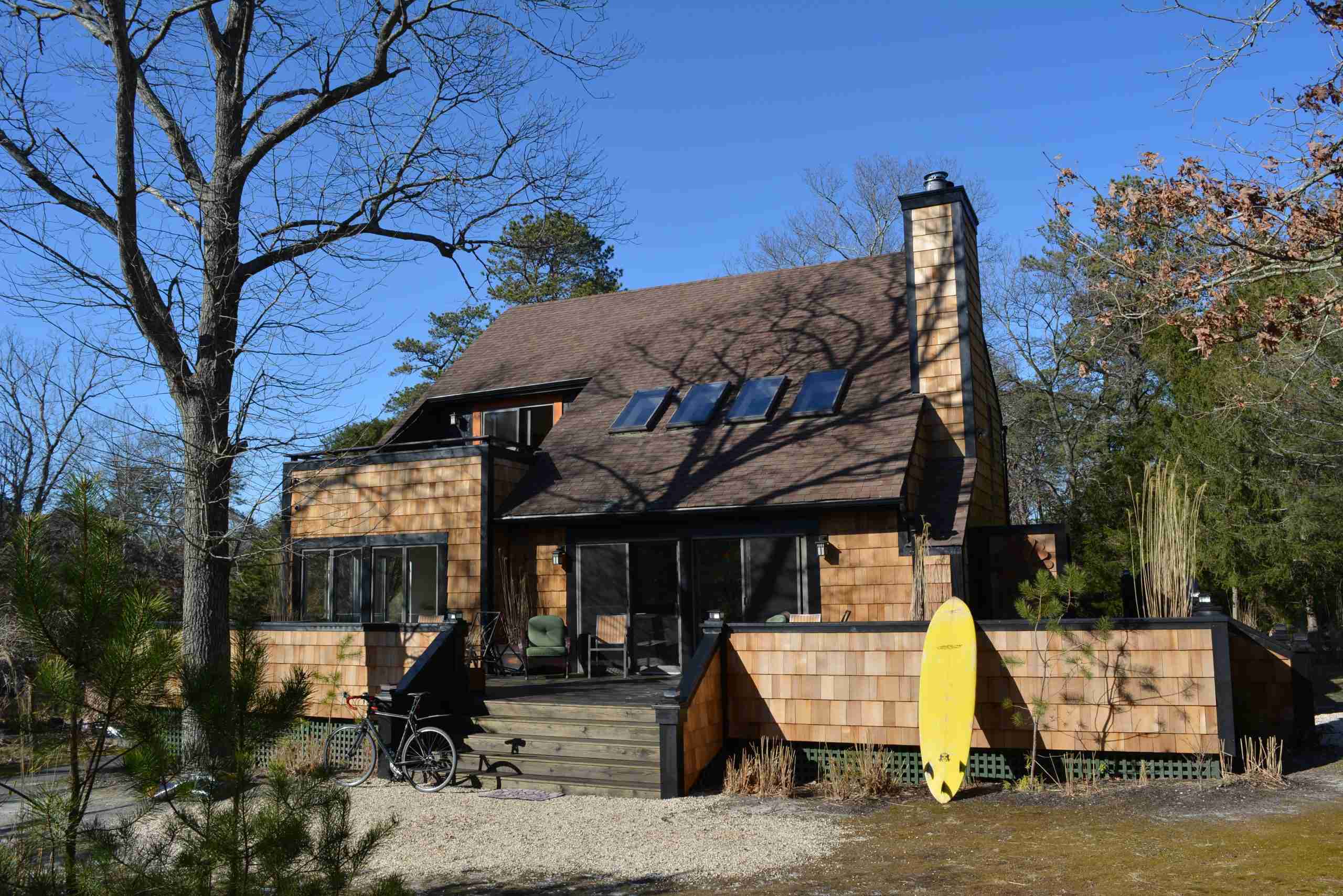
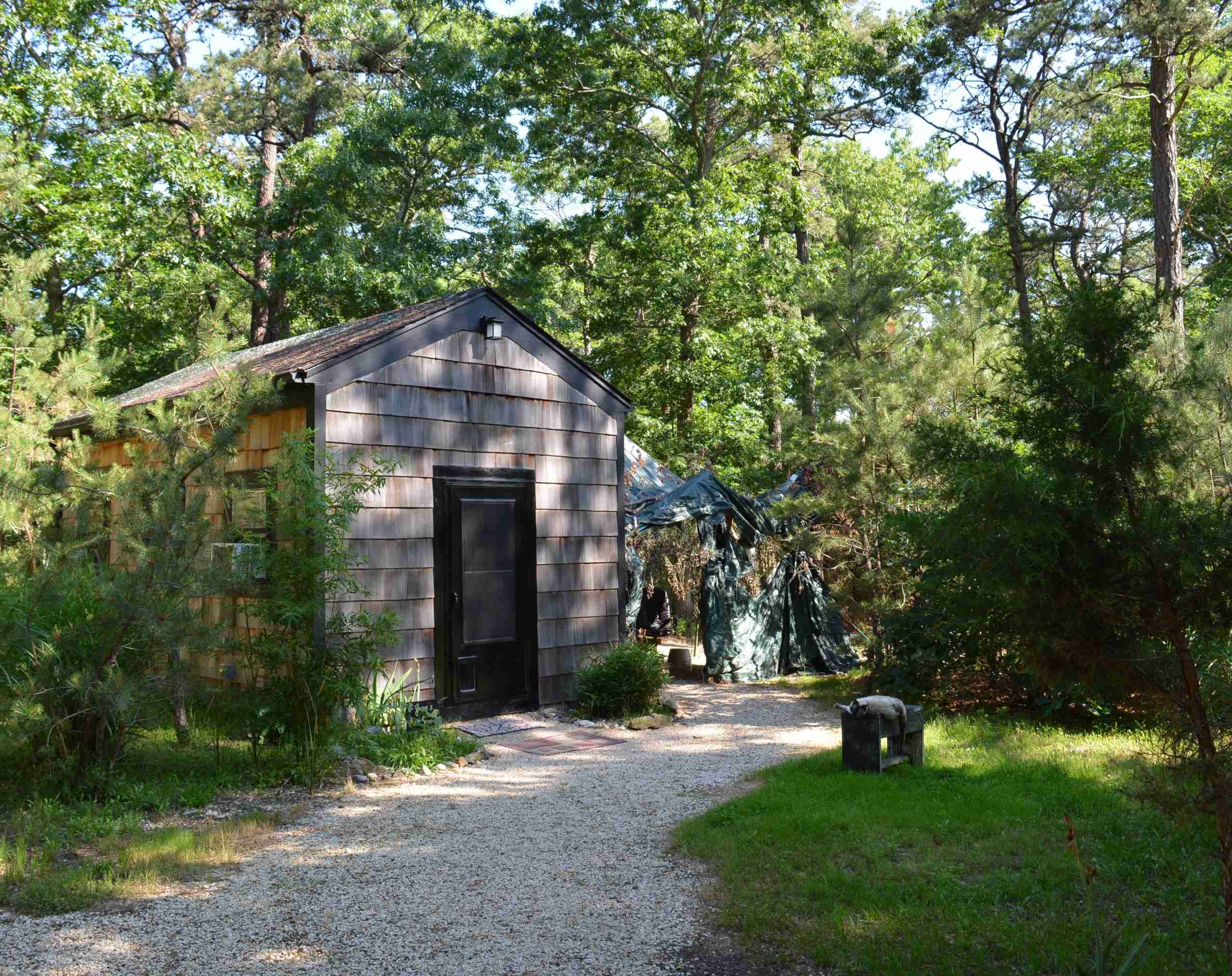
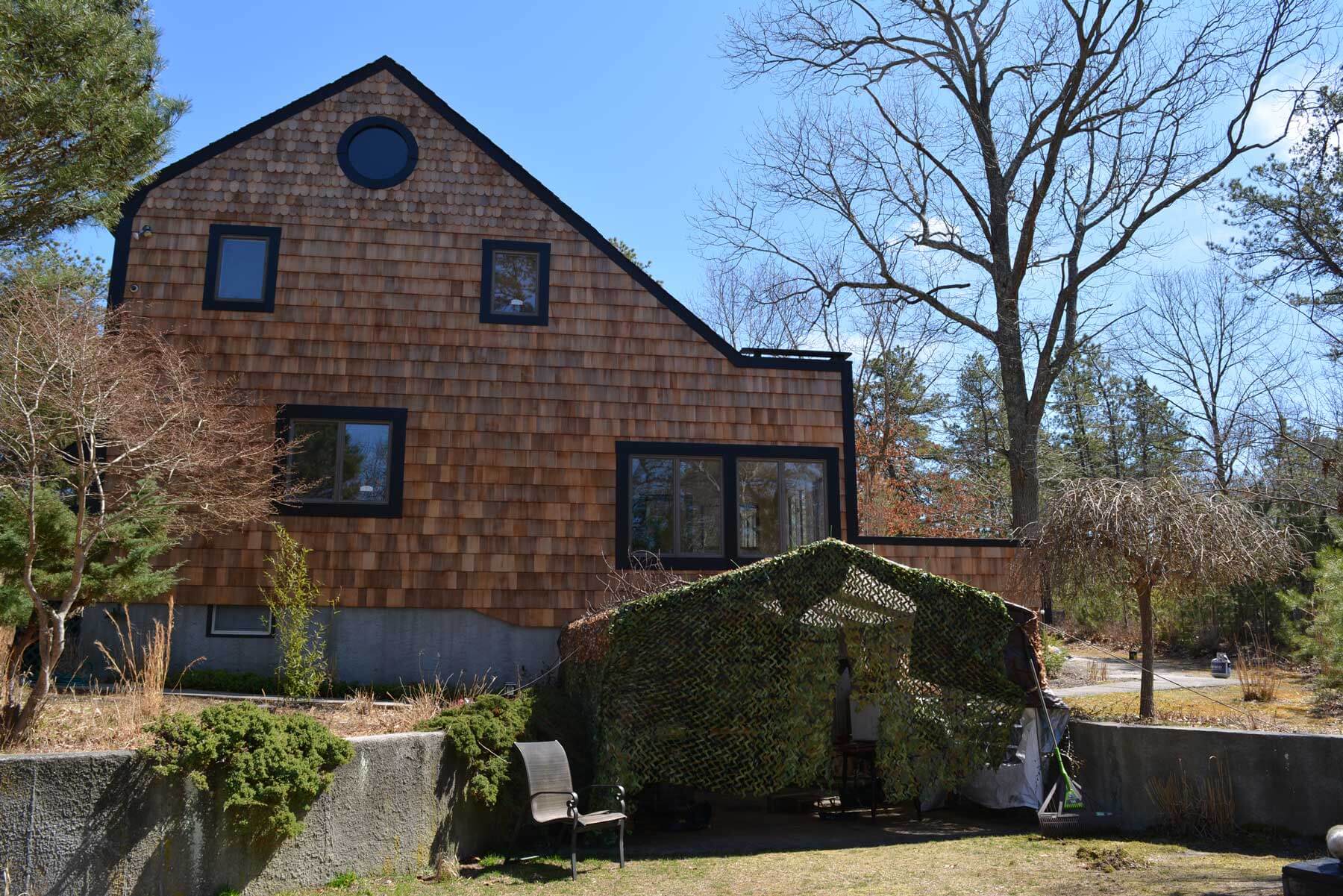
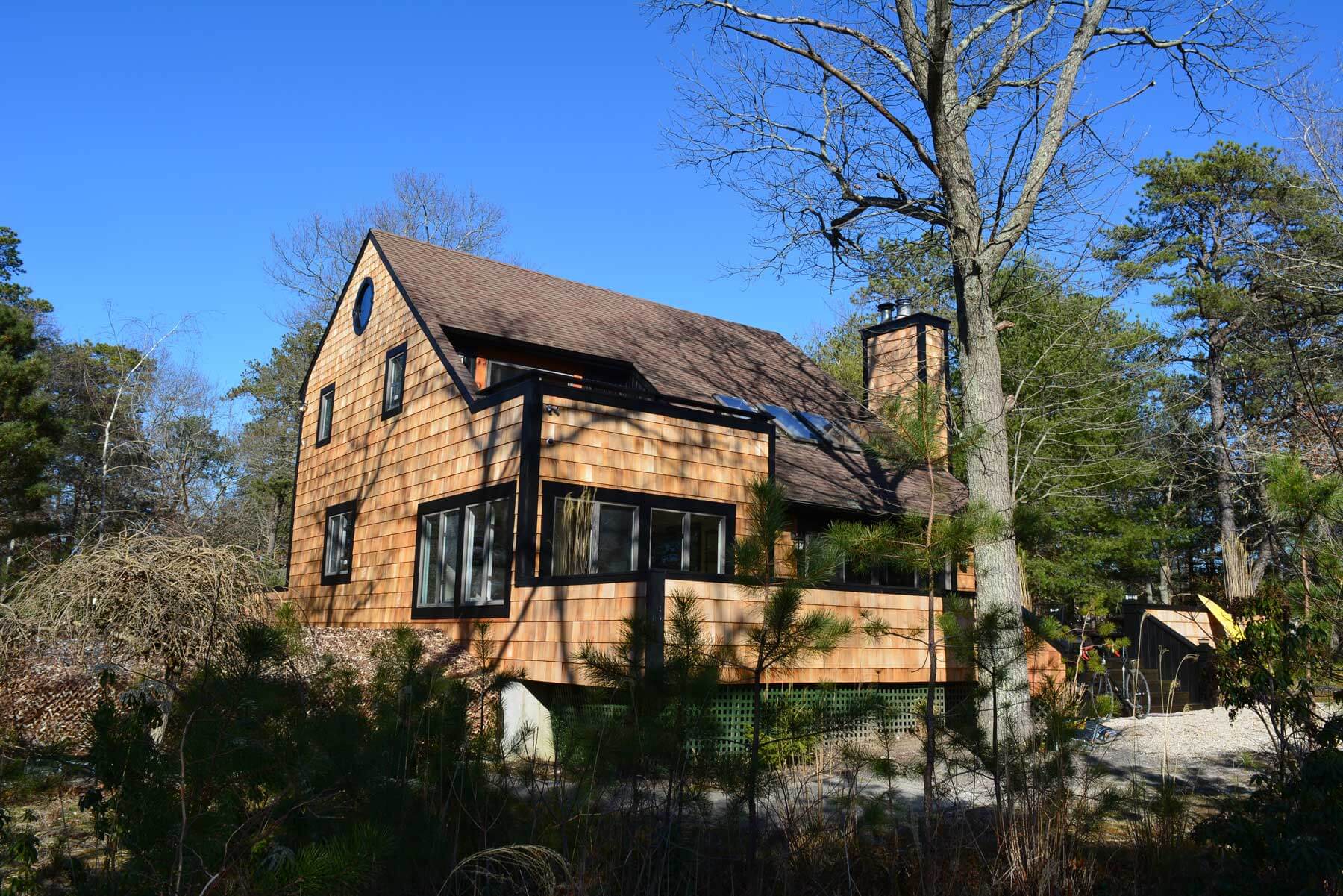
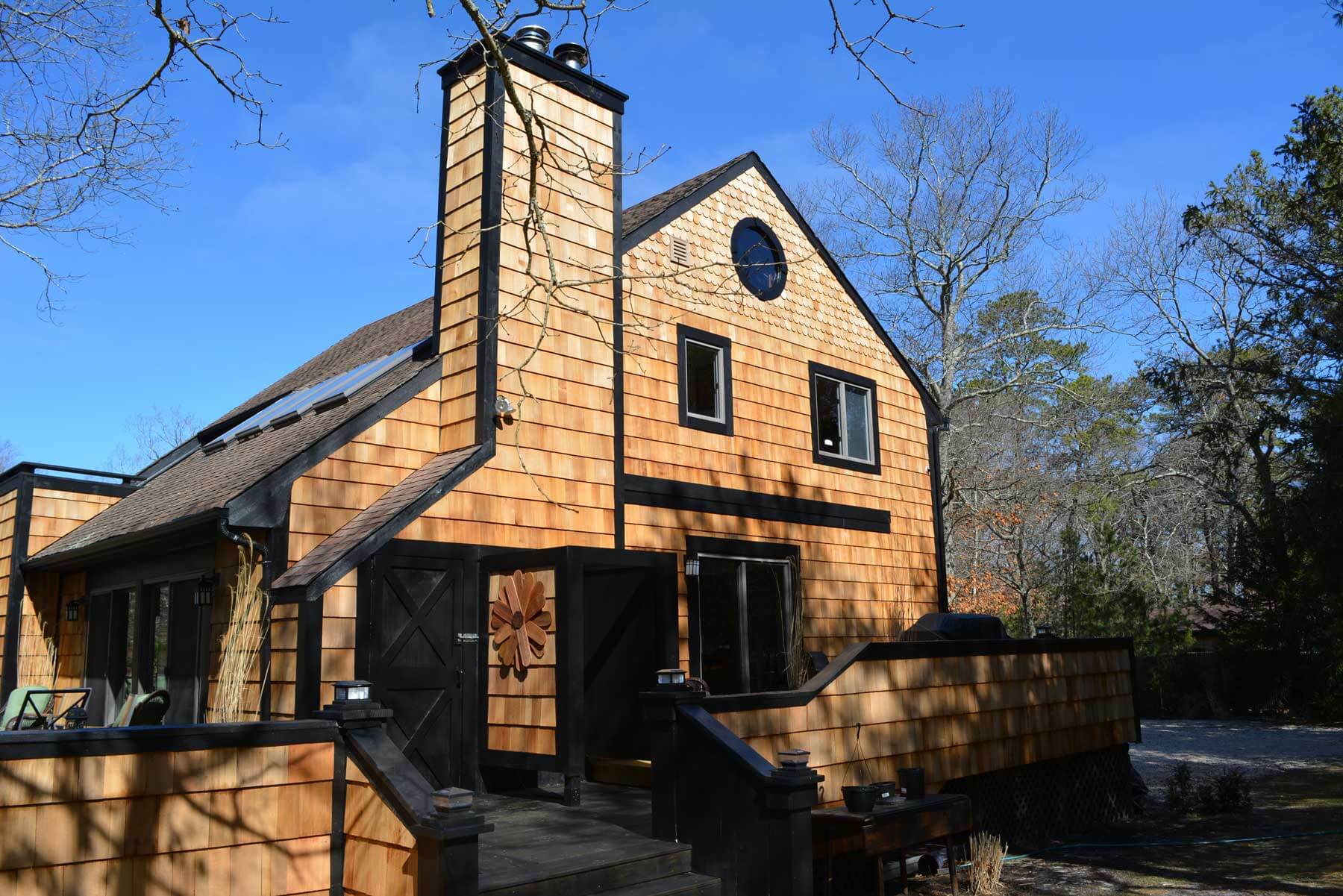
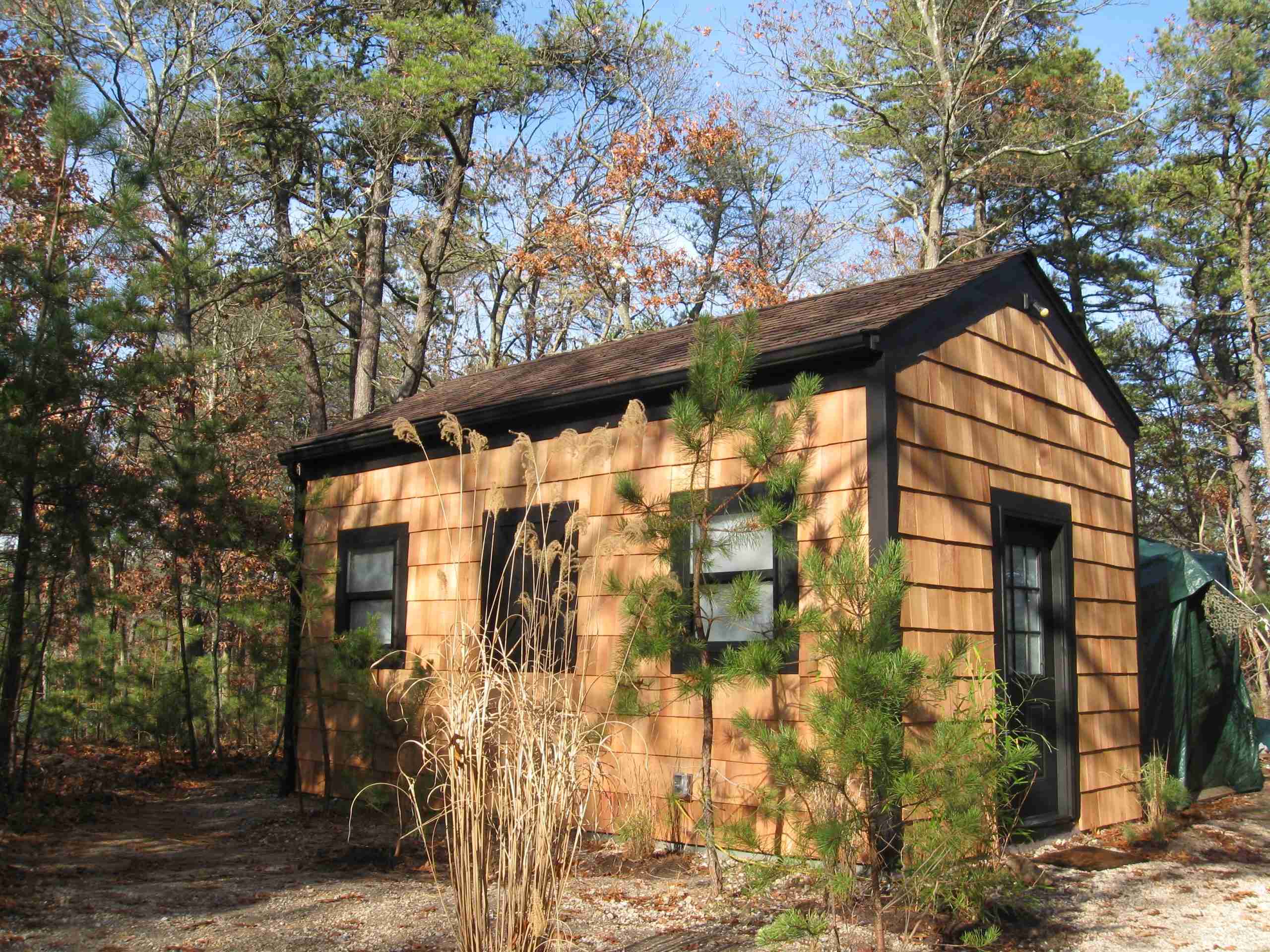
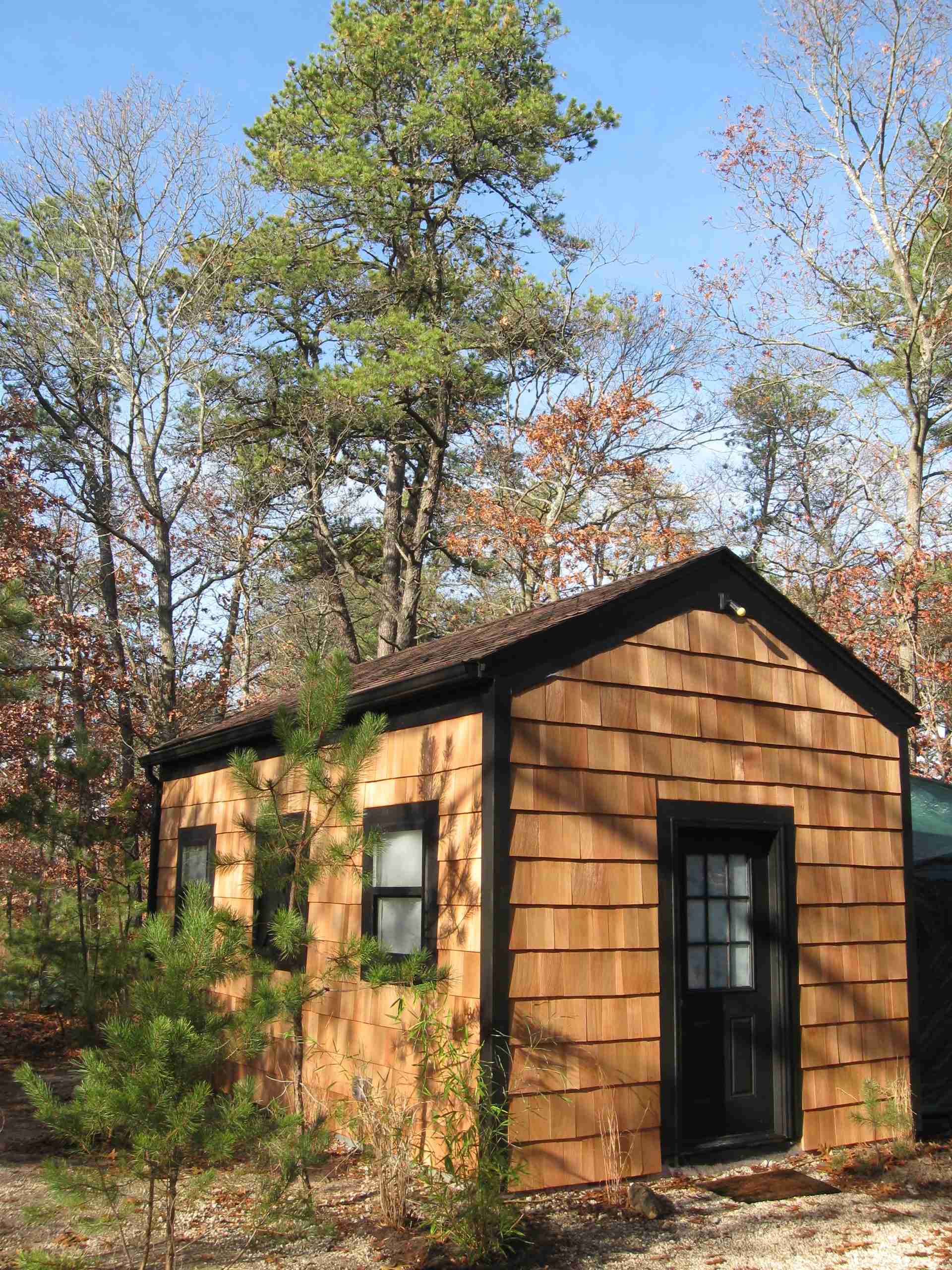
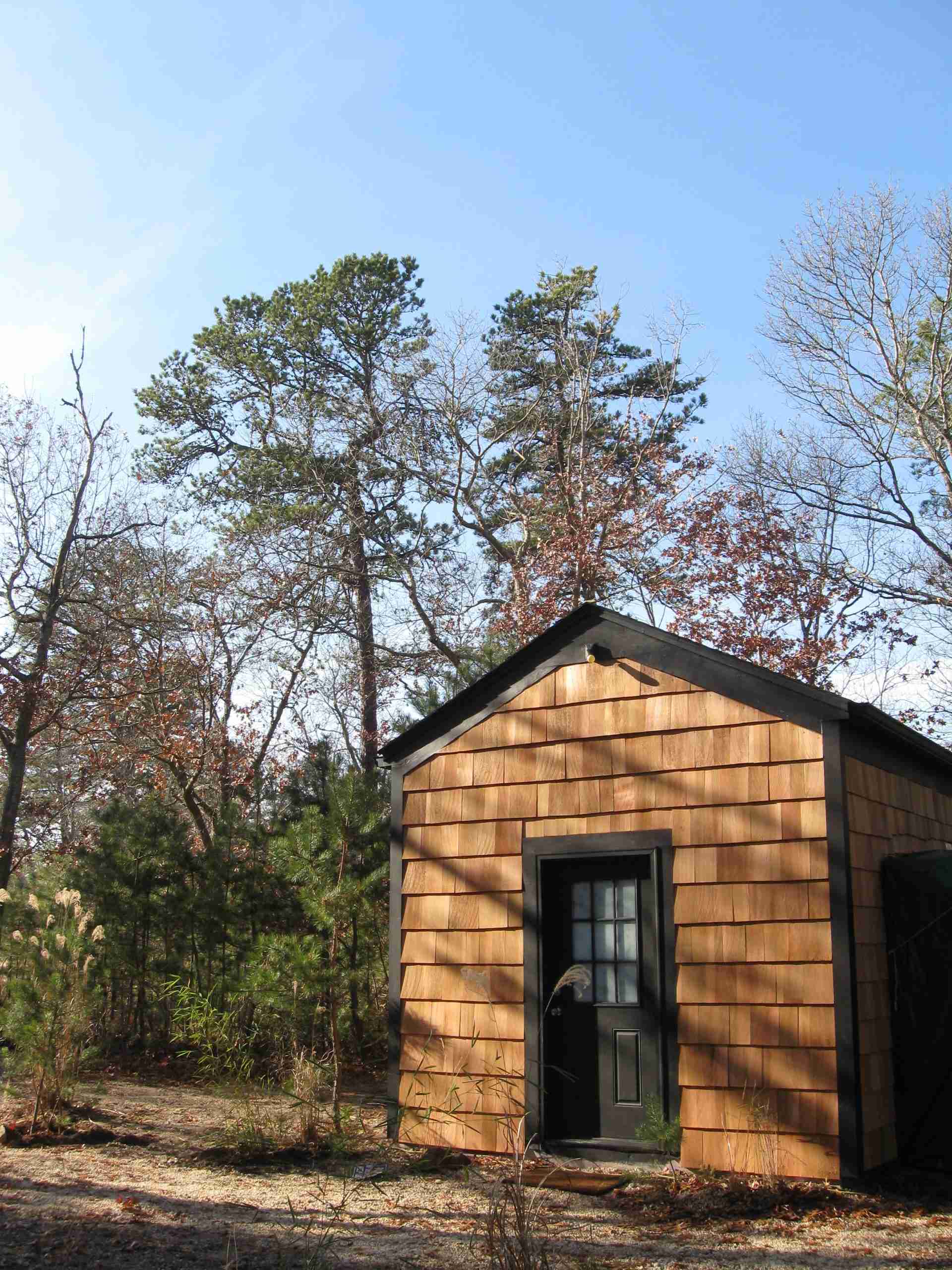
In 2014 Compost Art Center started two new projects. Eagles Nest in Southampton, NY-a 20-acre compound that we’re currently offering as a rental or residency the cabin to aritsts/writers and IT professional, Please contact Compost for more information.

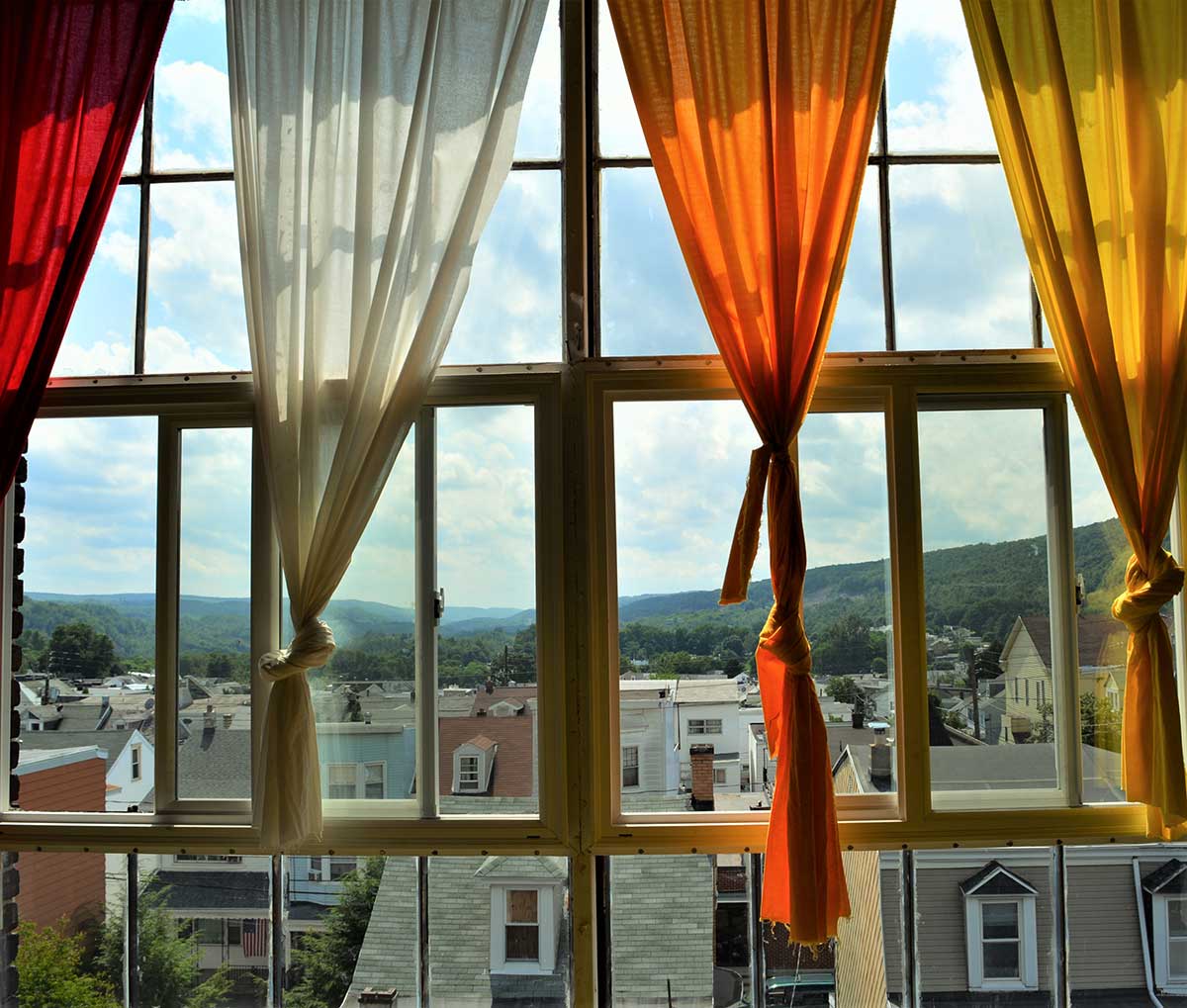
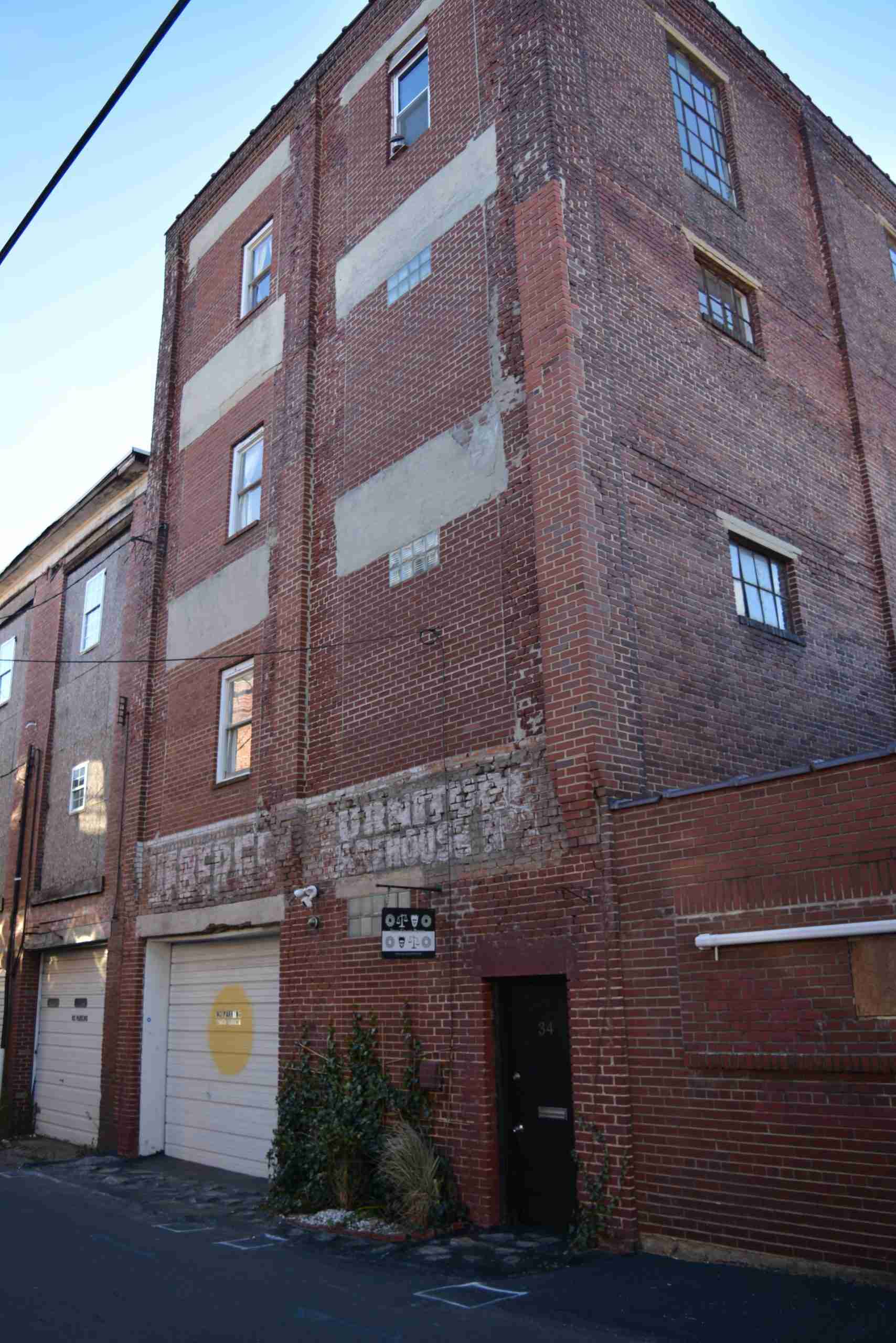
Another successful Compost story with American Main Street real estate and American poverty. The build-out in Pennsylvania coal-country Appalachia and/or Pennstucky took 5 years and then in 2022 the building was sold to a local (Catawissa) musician and artist who works in NYC as a Production Manager.            

Besides being the new owner of one of the finest buildings in Shendoh (local name) the new owner plans on creating future art businesses that will help downtown Pennsylvania grow in a positive, artistic, and regenerative manner.

2021 ♦

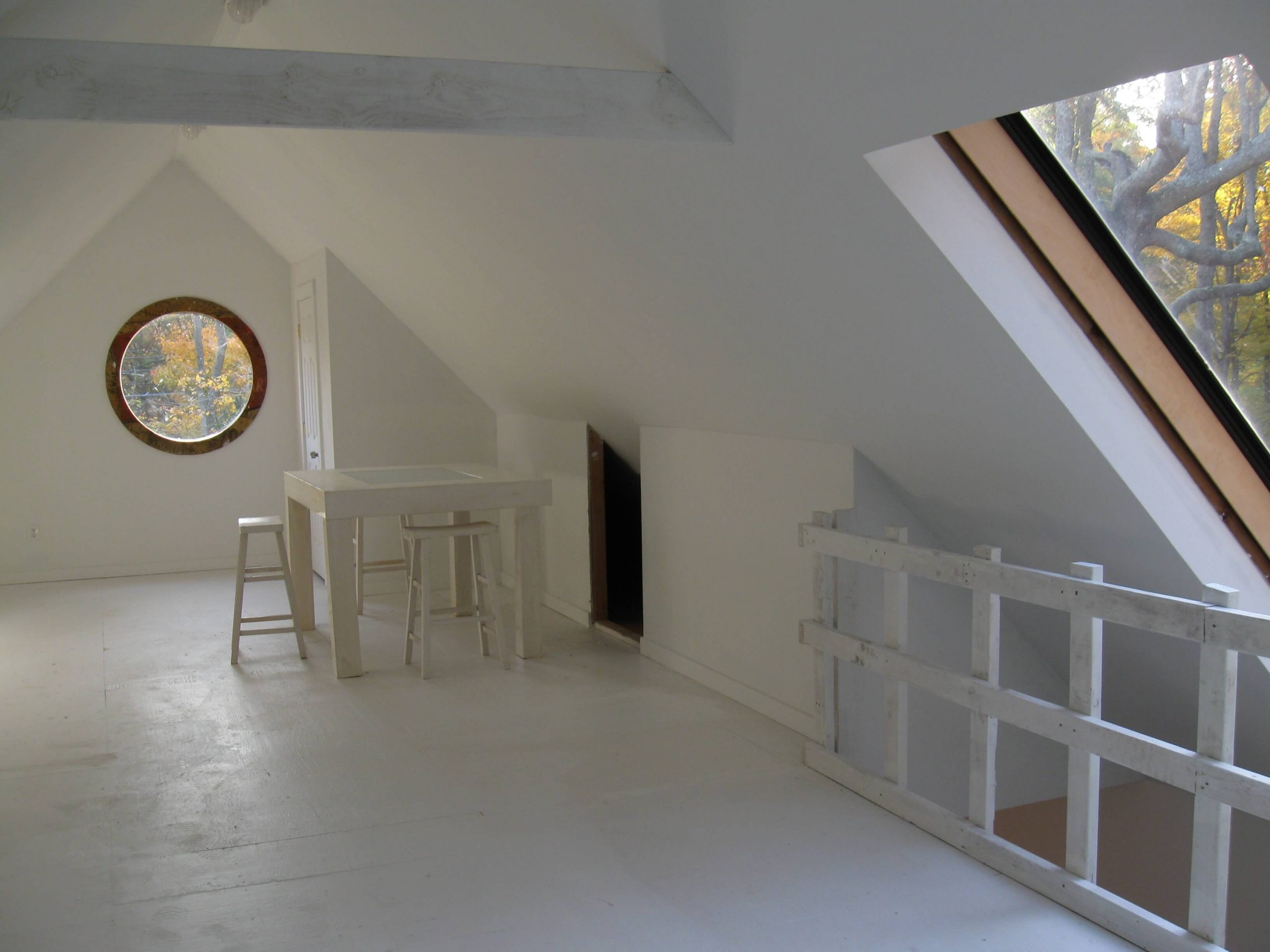
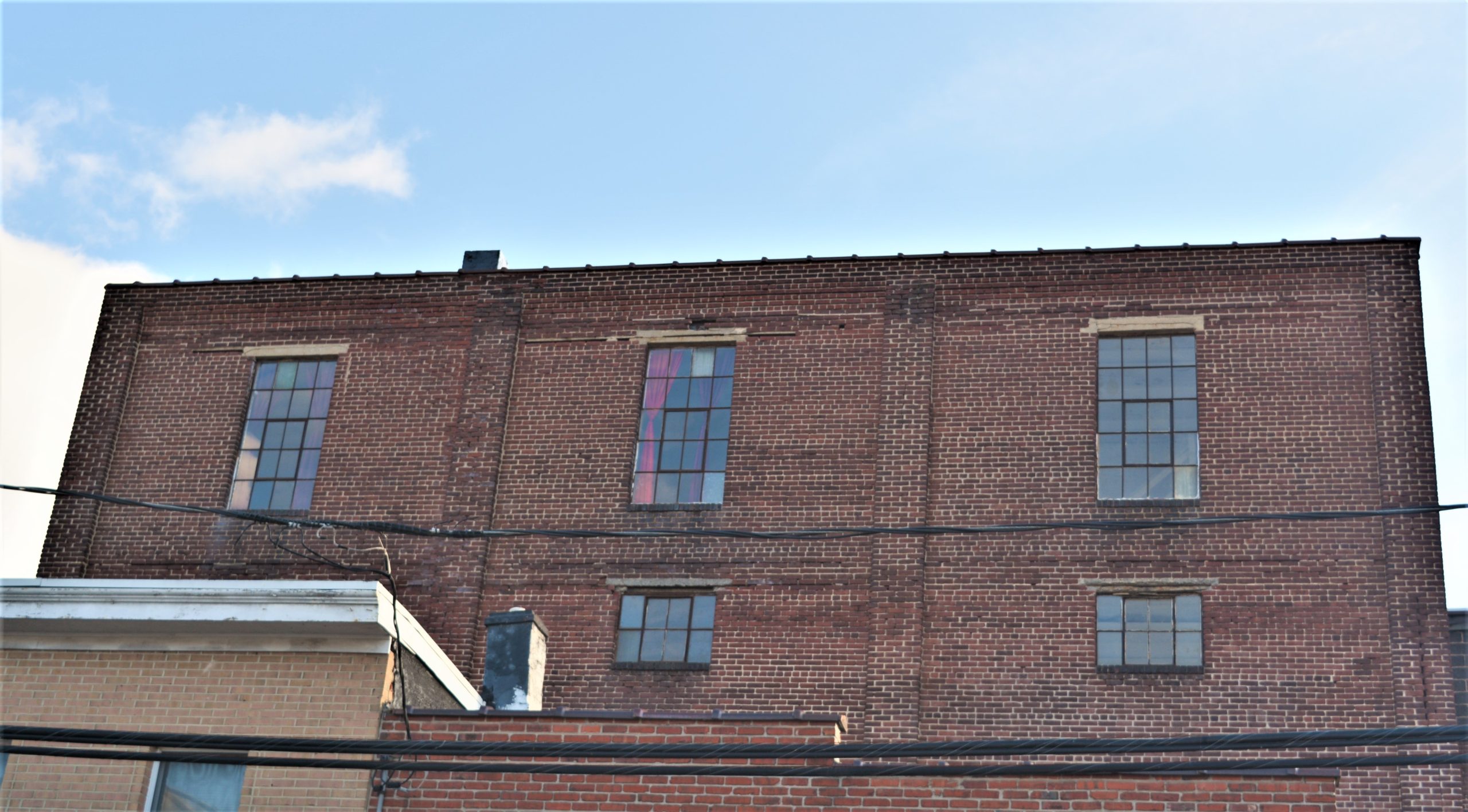
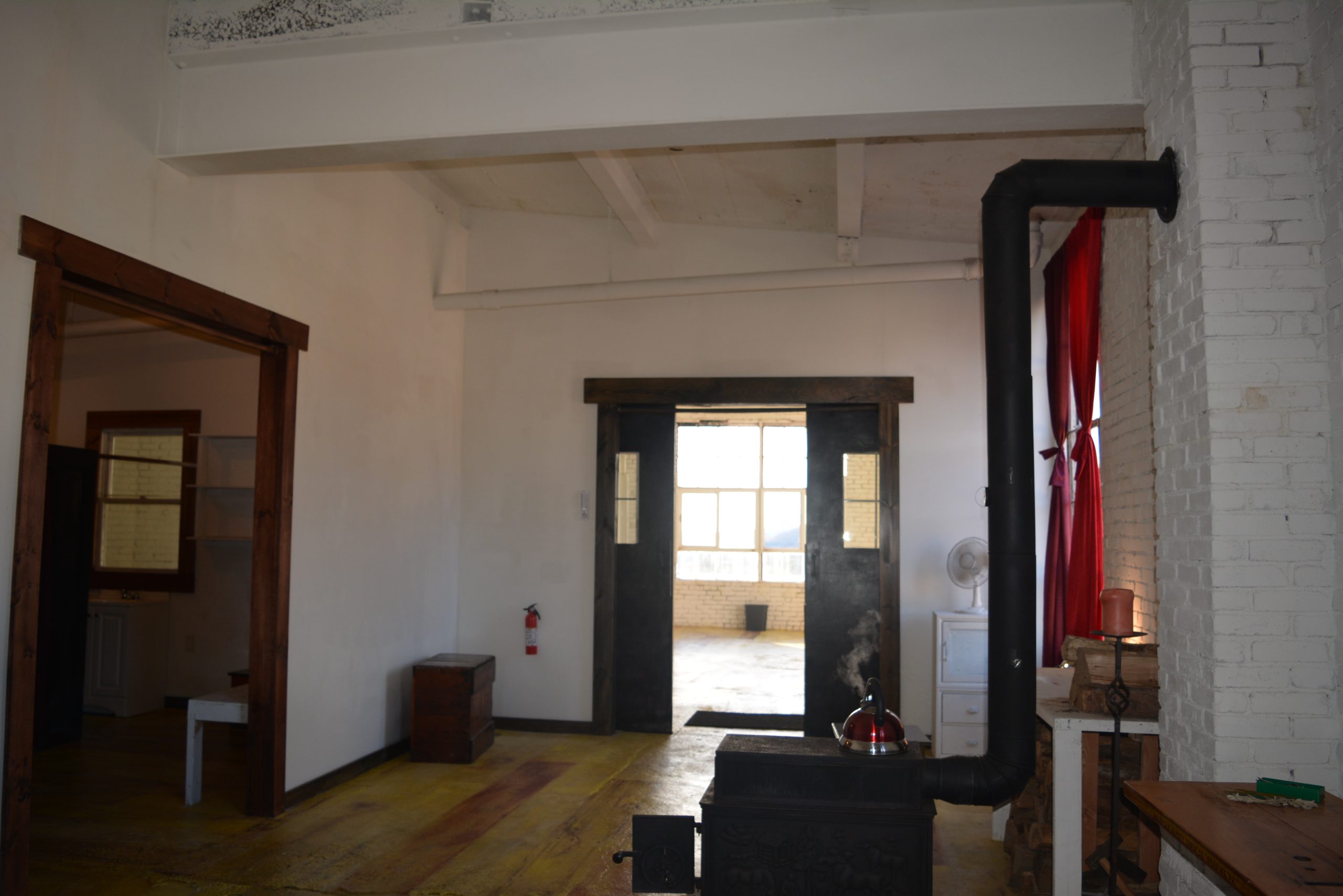
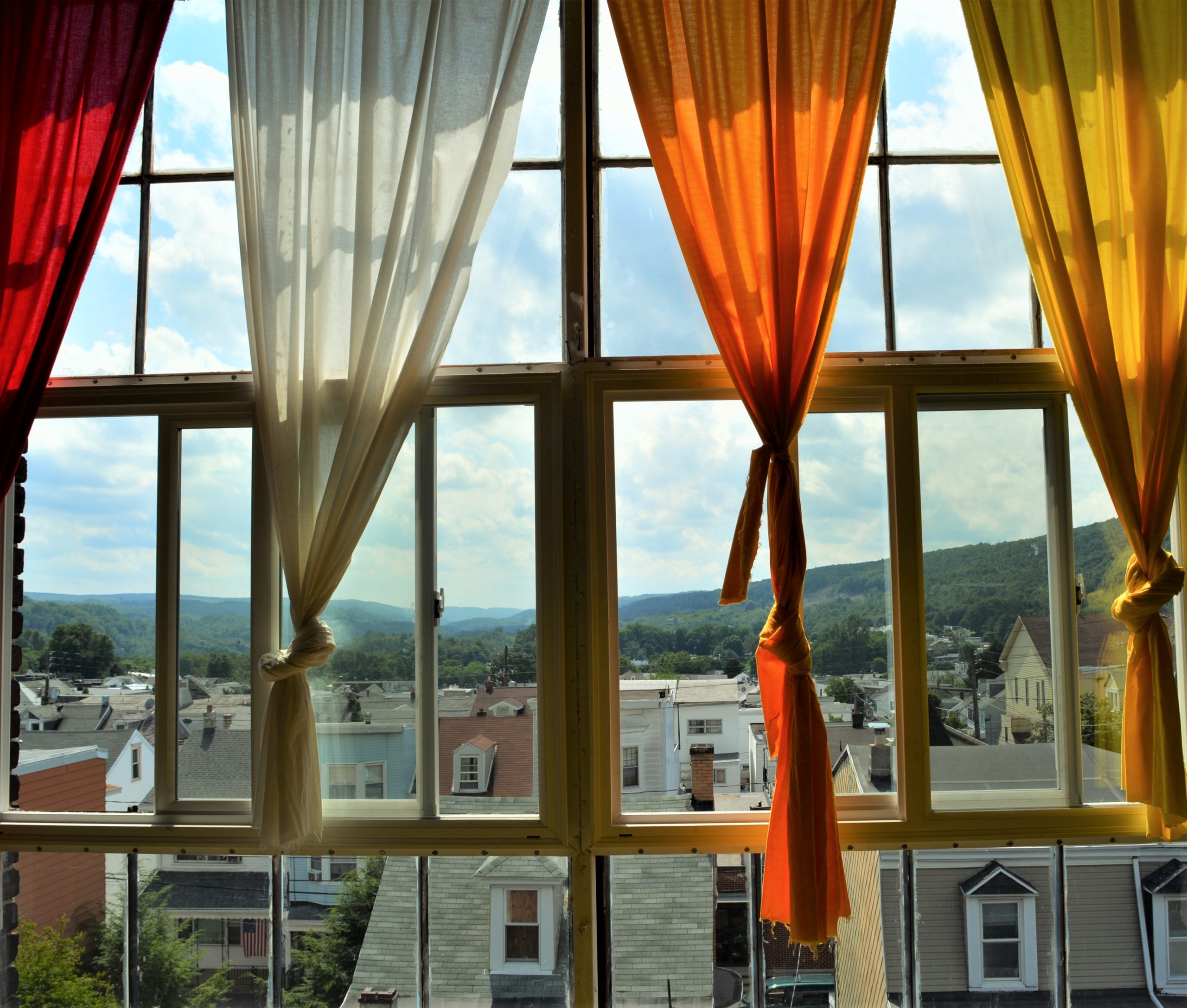
And in 2021 Compost Art Center finished renovation of a 7200 sf brick and steel Federal building, just off Main Street, in a small Pennsylvanian coal-country town. The building is available for sale, rent, or a residency. Please contact Compost for more information.

2022 ♦

2024 ♦

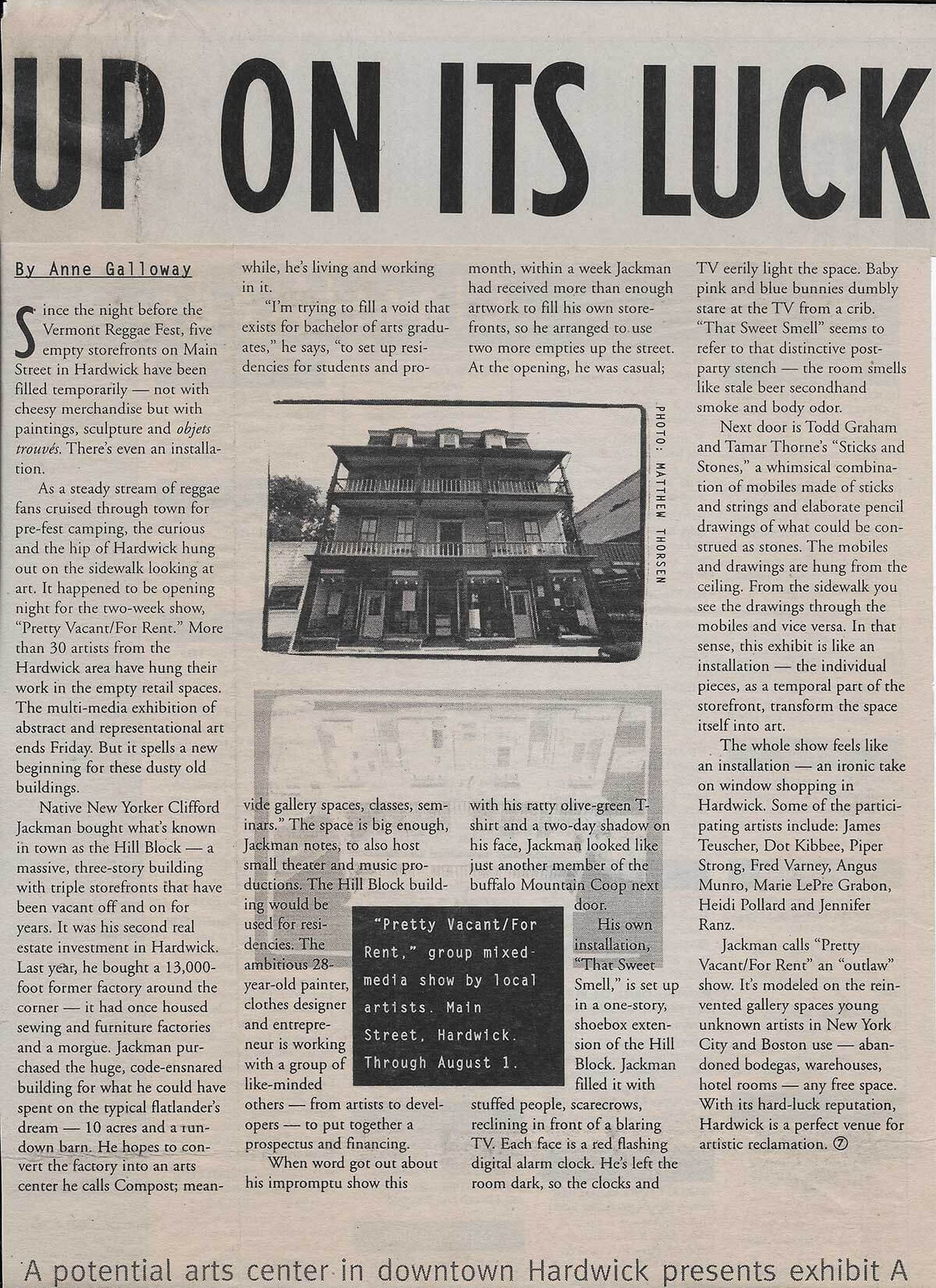
Up On Its Luck

By Anne Galloway

Since the night before the Vermont Reggae Fest, five empty storefronts on Main Street in Hardwick have been filled temporarily—not with cheesy merchandise but with paintings, sculpture and objets trouvés. There’s even an installation.

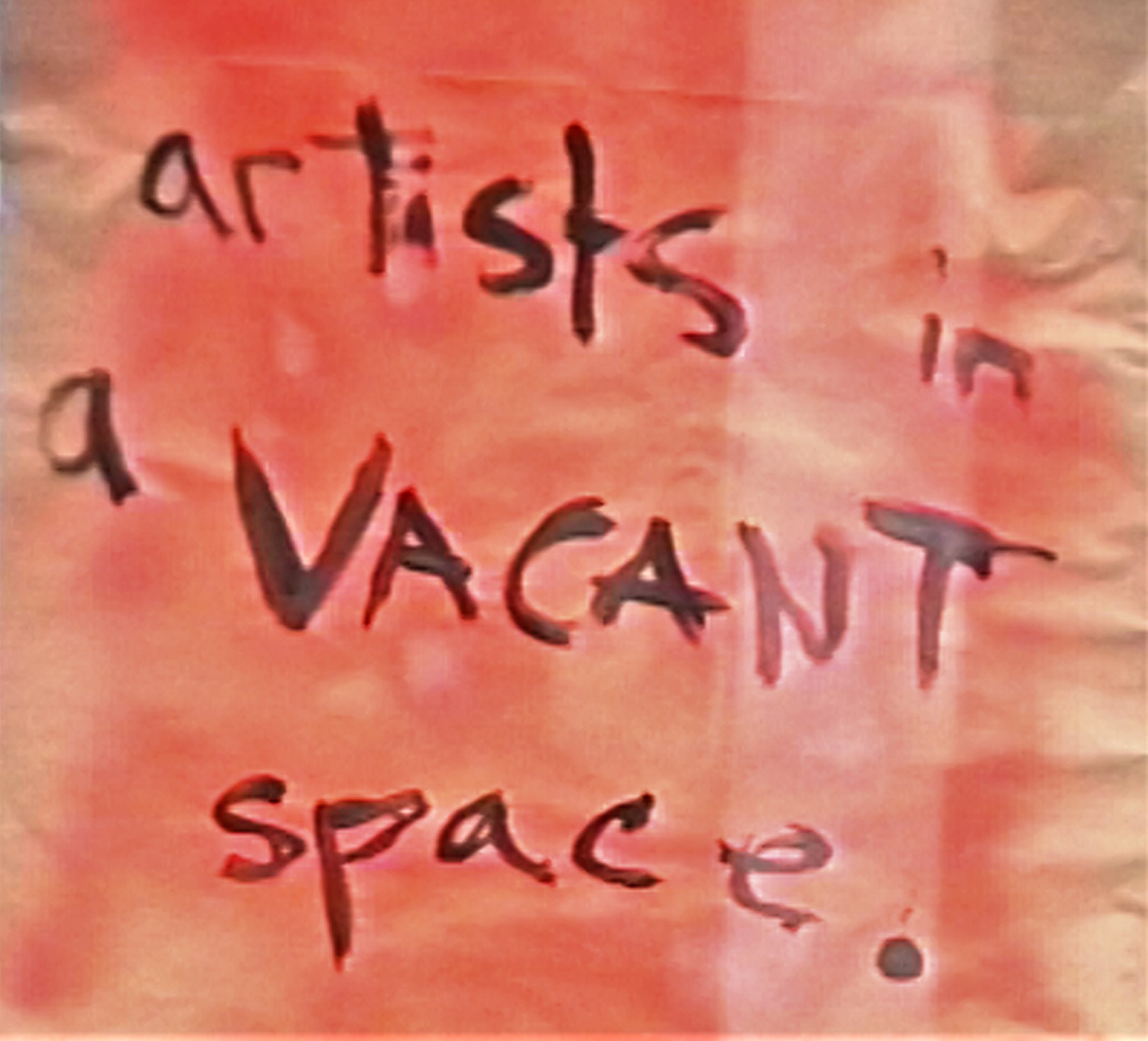
As a steady stream of reggae fans cruised through town for pre-fest camping, the curious and the hip of Hardwick hung out on the sidewalk looking at art. It happened to be opening night for the two-week show, “Pretty Vacant/For Rent.” More than 30 artists from the Hardwick area have hung their work in the empty retail spaces. The multi-media exhibition of abstract and representational art ends Friday. But it spells a new beginning for these dusty old buildings.

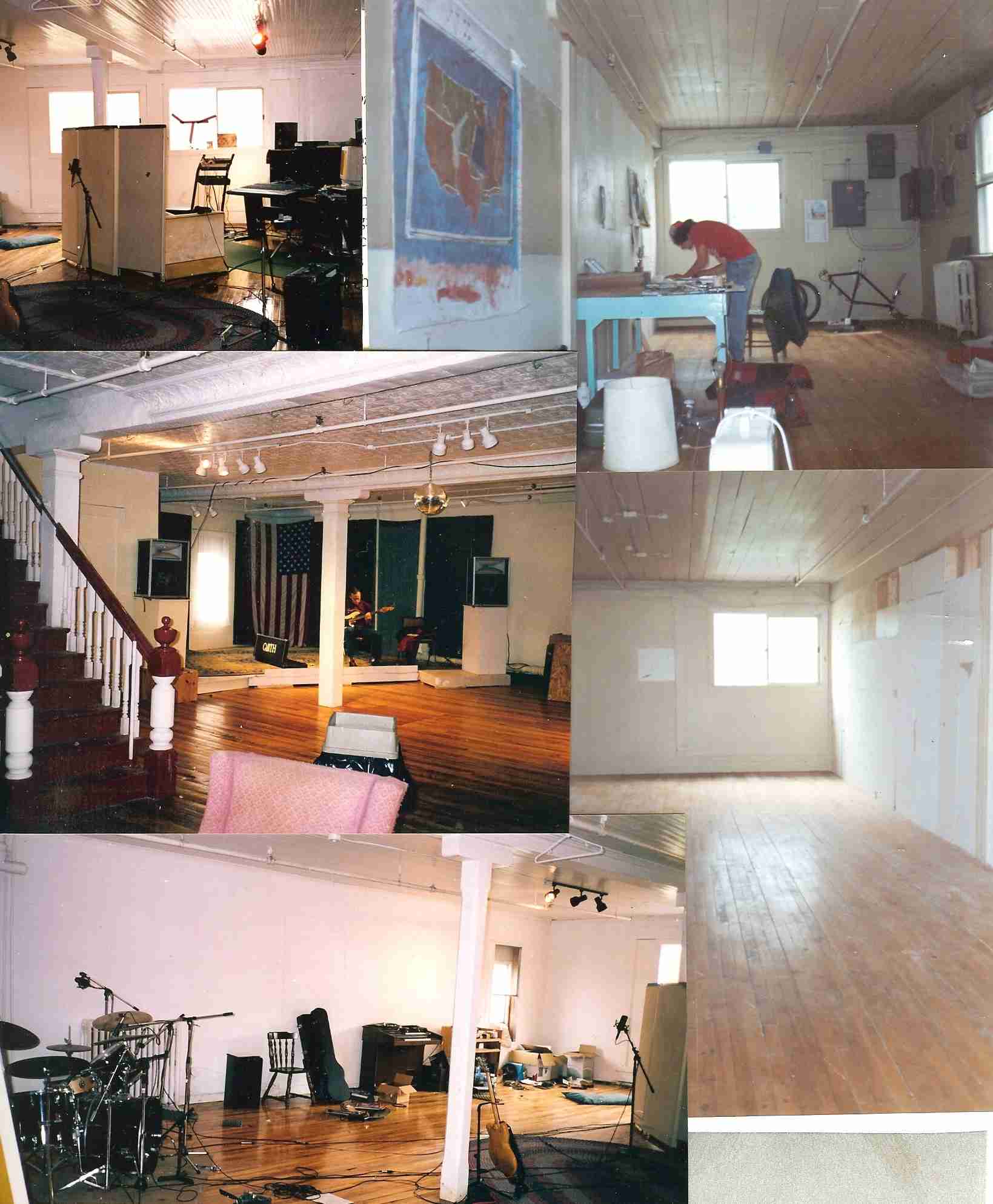
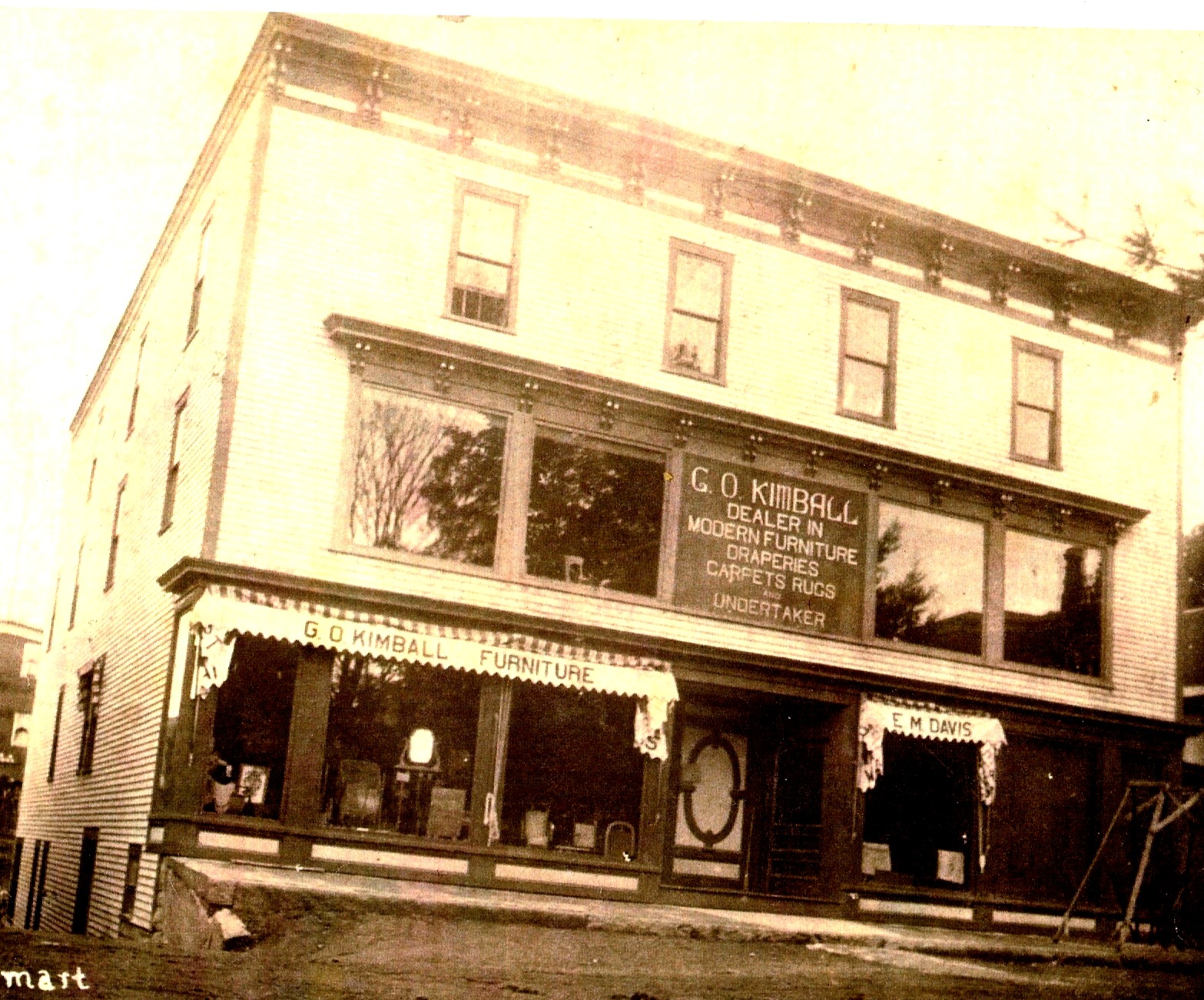
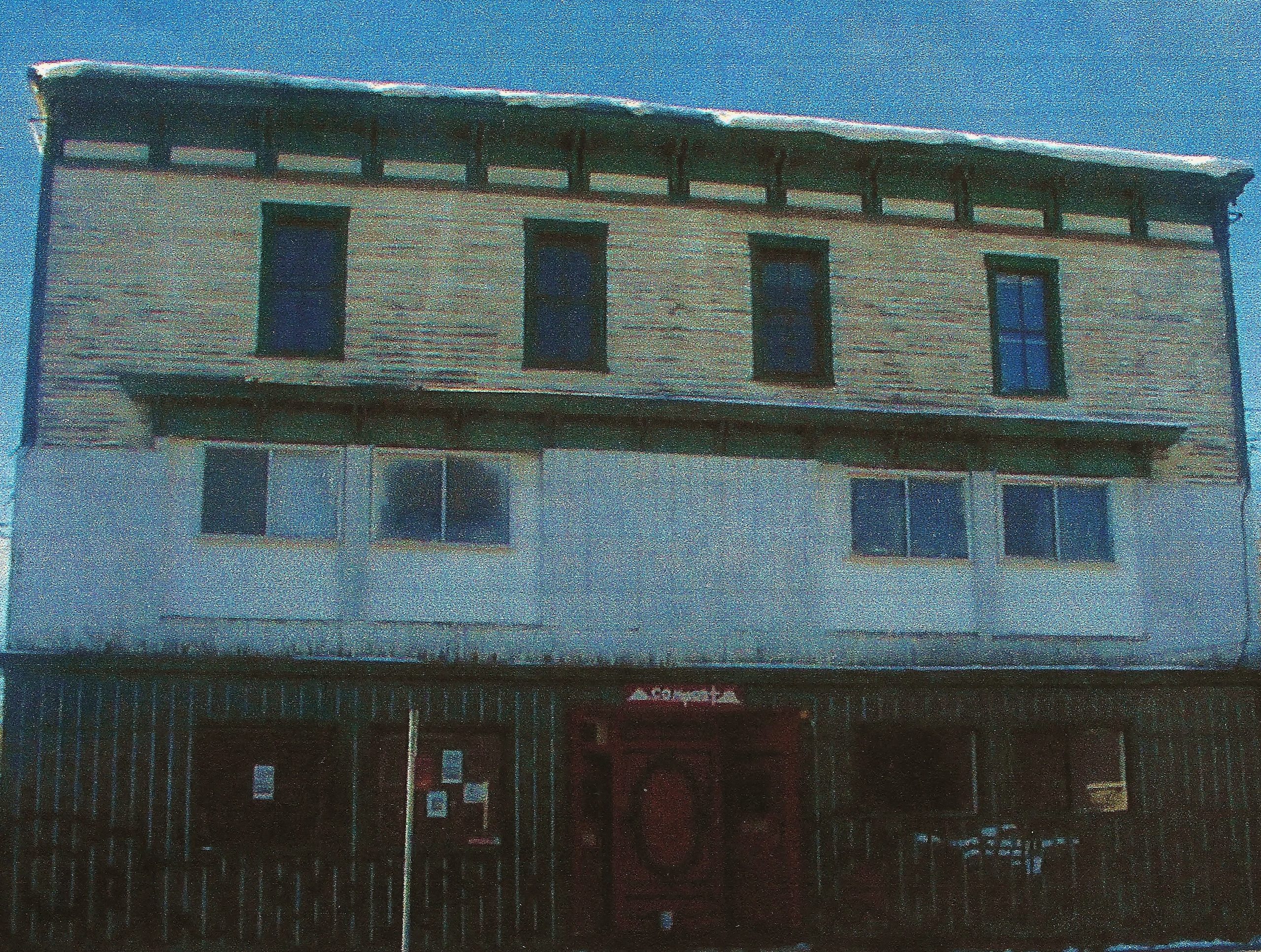
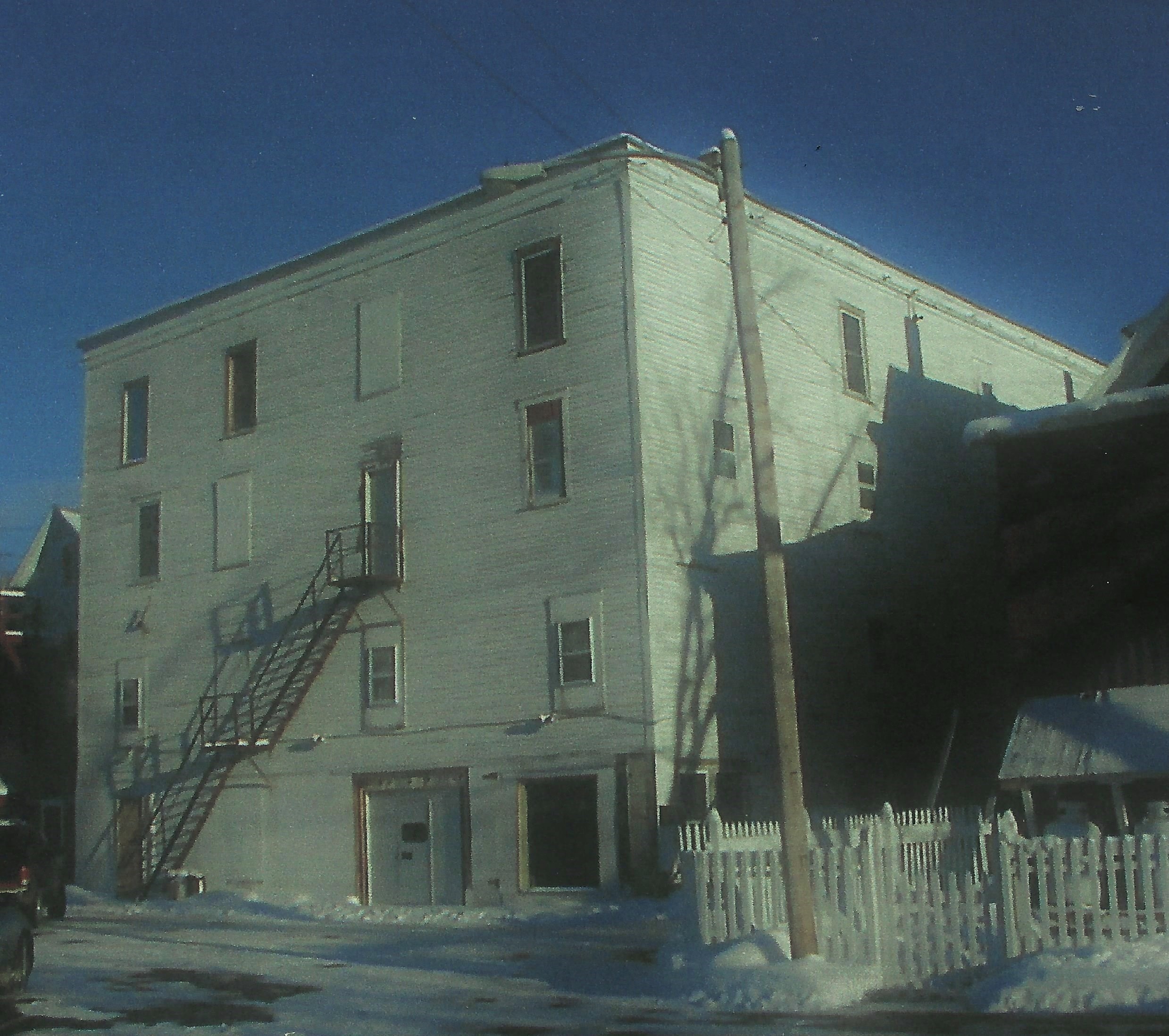
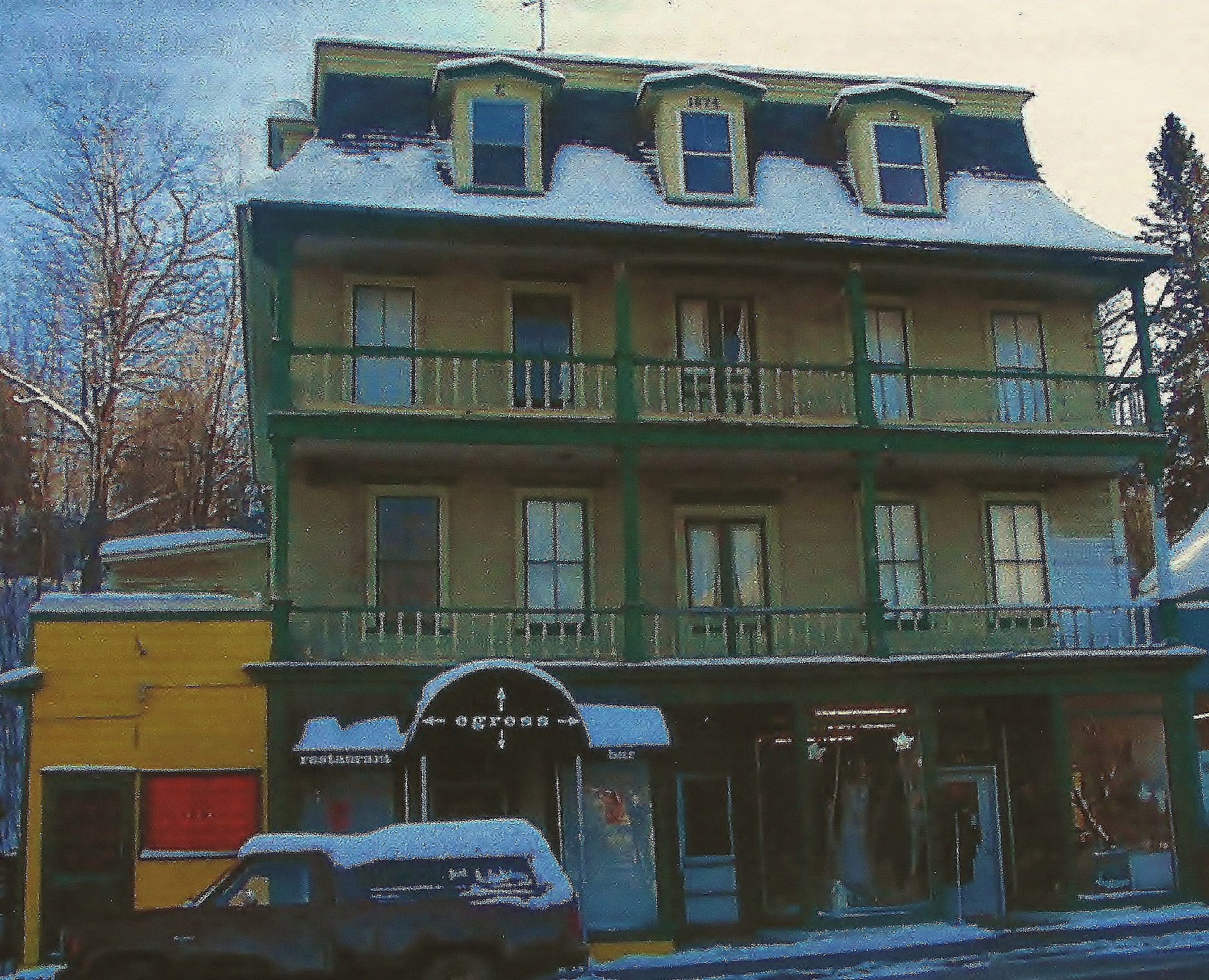
Native New Yorker Clifford Jackman bought what’s known in town as the Hill Block—a massive, three-story building with triple storefronts that have been vacant off and on for years. It was his second real estate investment in Hardwick. Last year, he bought a 13,000- foot former factory around the corner – it had once housed sewing and furniture factories and a morgue. Jackman pur- chased the huge, code-ensnared building for what he could have spent on the typical flatlander’s dream – 10 acres and a run- down barn. He hopes to con- vert the factory into an arts center he calls Compost; meanwhile he’s living and working in it.

“I’m trying to fill a void that exists for bachelor of arts graduates,” he says, “to set up residencies for students and provide gallery spaces, classes, seminars.” The space is big enough, Jackman notes, to also host small theater and music productions. The Hill Block building would be used for residencies. The ambitious 28-year-old painter, clothes designer and entrepreneur is working with a group of like-minded others—from artists to developers—to put together a prospectus and financing.

When word got out about his impromptu show this month, within a week Jackman had received more than enough artwork to fill his own storefronts, so he arranged to use two more empties up the street.

At the opening, he was casual; with his ratty olive-green T-shirt and a two-day shadow on his face, Jackman looked like just another member of the buffalo Mountain Coop next door.

His own installation, “That Sweet! Smell,” is set up in a one-story, shoebox extension of the Hill Block. Jackman filled it with stuffed people, scarecrows, reclining in front of a blaring TV. Each face is a red flashing digital alarm clock. He’s left the room dark, so the clocks and TV eerily light the space. Baby pink and blue bunnies dumbly stare at the TV from a crib. “That Sweet Smell’ seems to refer to that distinctive post-party stench—the room smells like stale beer secondhand smoke and body odor.

Next door is Todd Graham and Tamar Thorne’s “Sticks and Stones, a whimsical combination of mobiles made of sticks and strings and elaborate pencil drawings of what could be construed as stones. The mobiles and drawings are hung from the ceiling. From the sidewalk you see the drawings through the mobiles and vice versa. In that sense, this exhibit is like an installation—the individual pieces, as a temporal part of the storefront, transform the space itself into art.

The whole show feels like an installation—an ironic take on window shopping in Hardwick. Some of the participating artists include: James Teuscher, Dot Kibbee, Piper Strong, Fred Varney, Angus Munro, Marie LePre Grabon, Heidi Pollard and Jennifer Ranz.

Jackman calls “Pretty Vacant/For Rent” an “outlaw” show. It’s modeled on the reinvented gallery spaces young unknown artists in New York City and Boston use—abandoned bodegas, warehouses, hotel rooms—any free space. With its hard-luck reputation, Hardwick is a perfect venue for artistic reclamation.


Seven Days, 1997